
Homepage
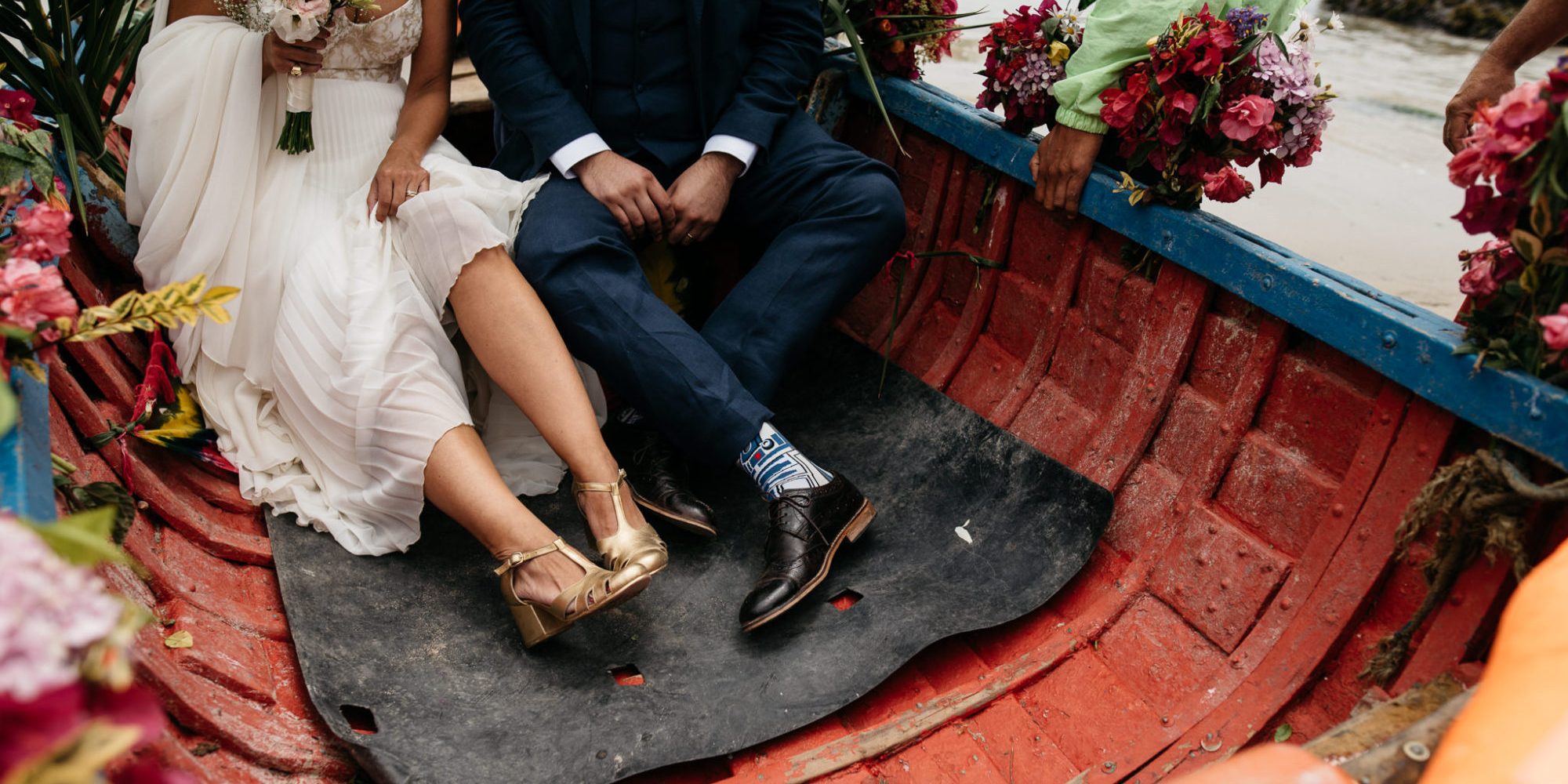
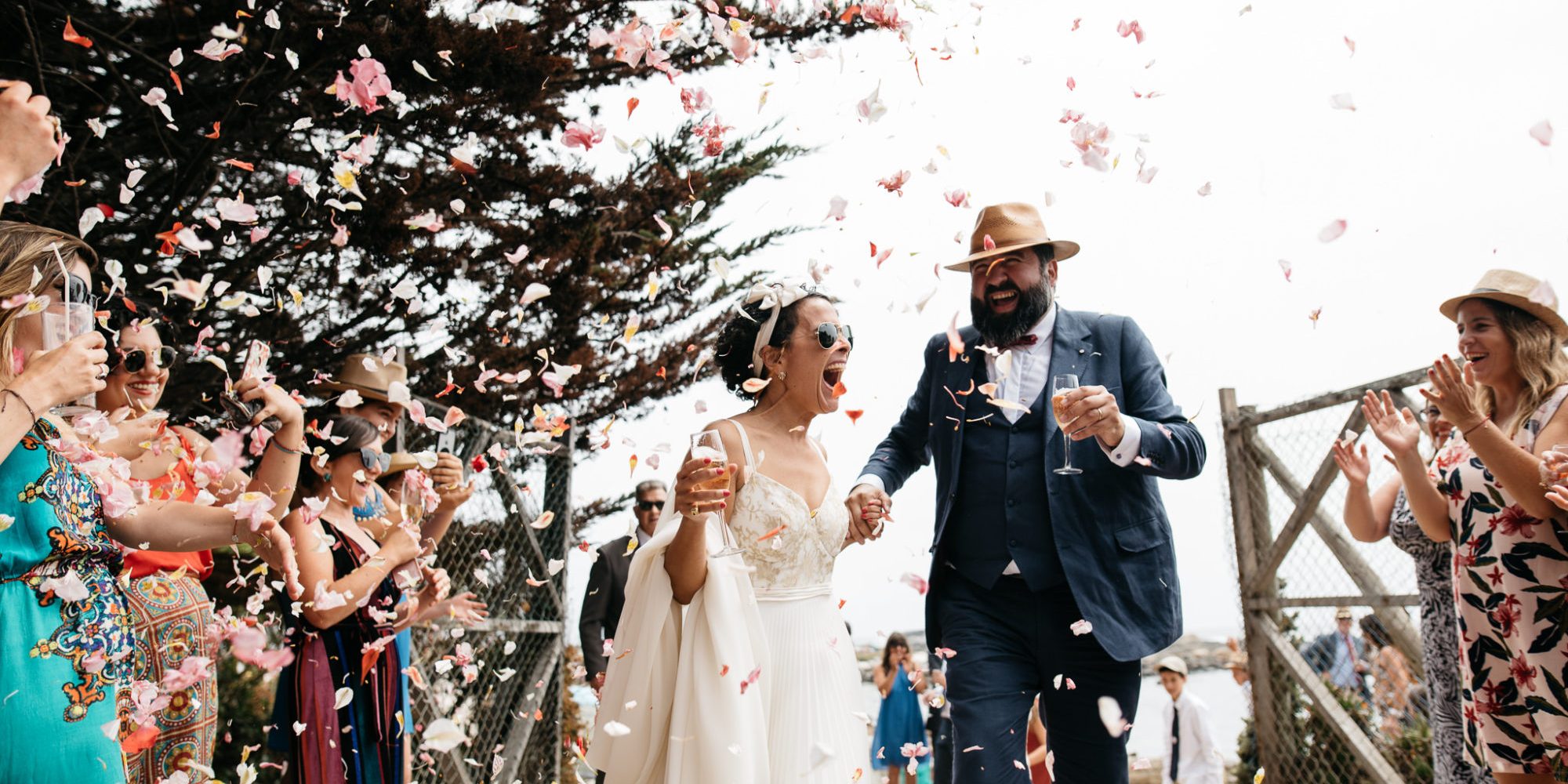
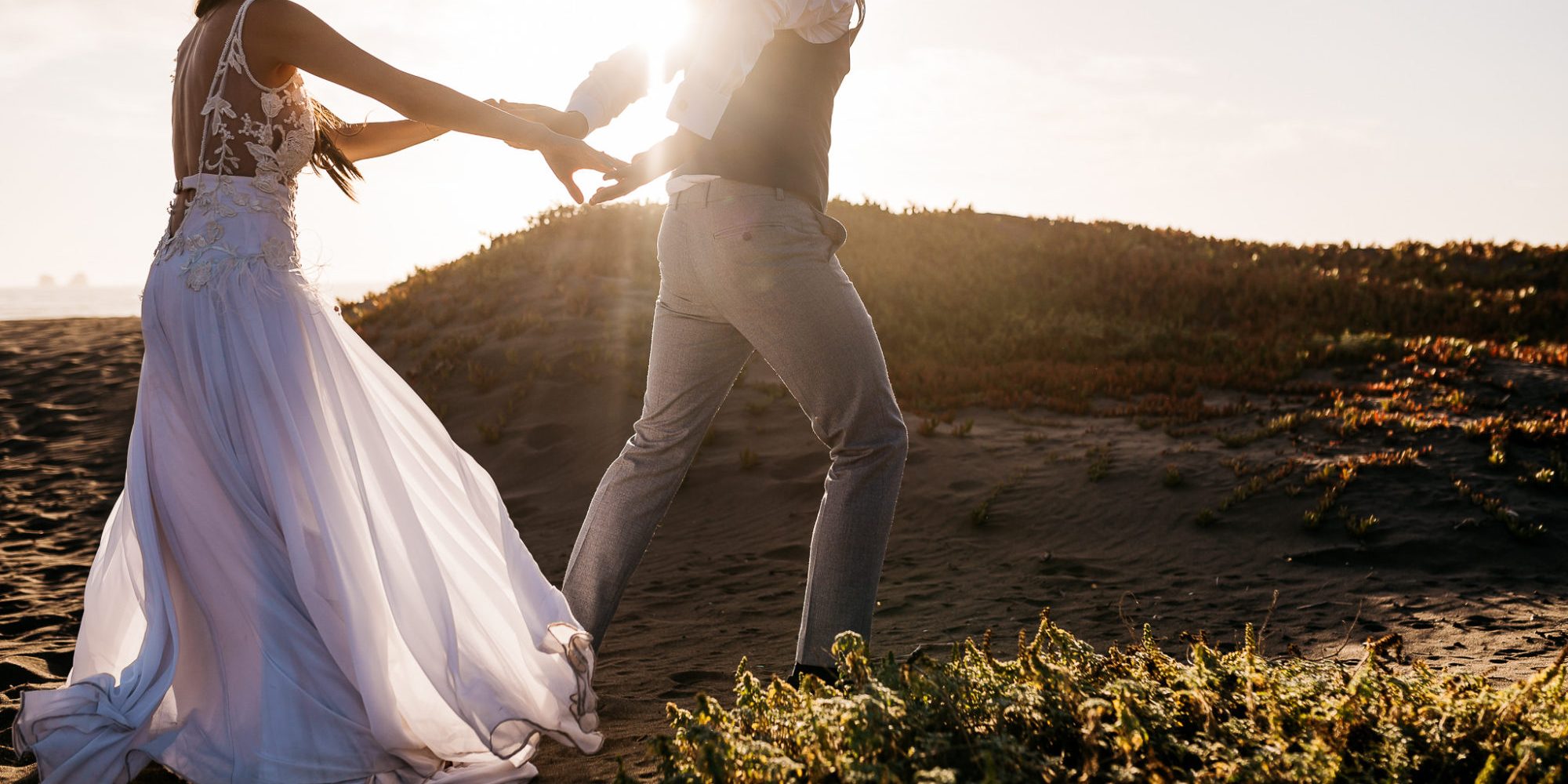
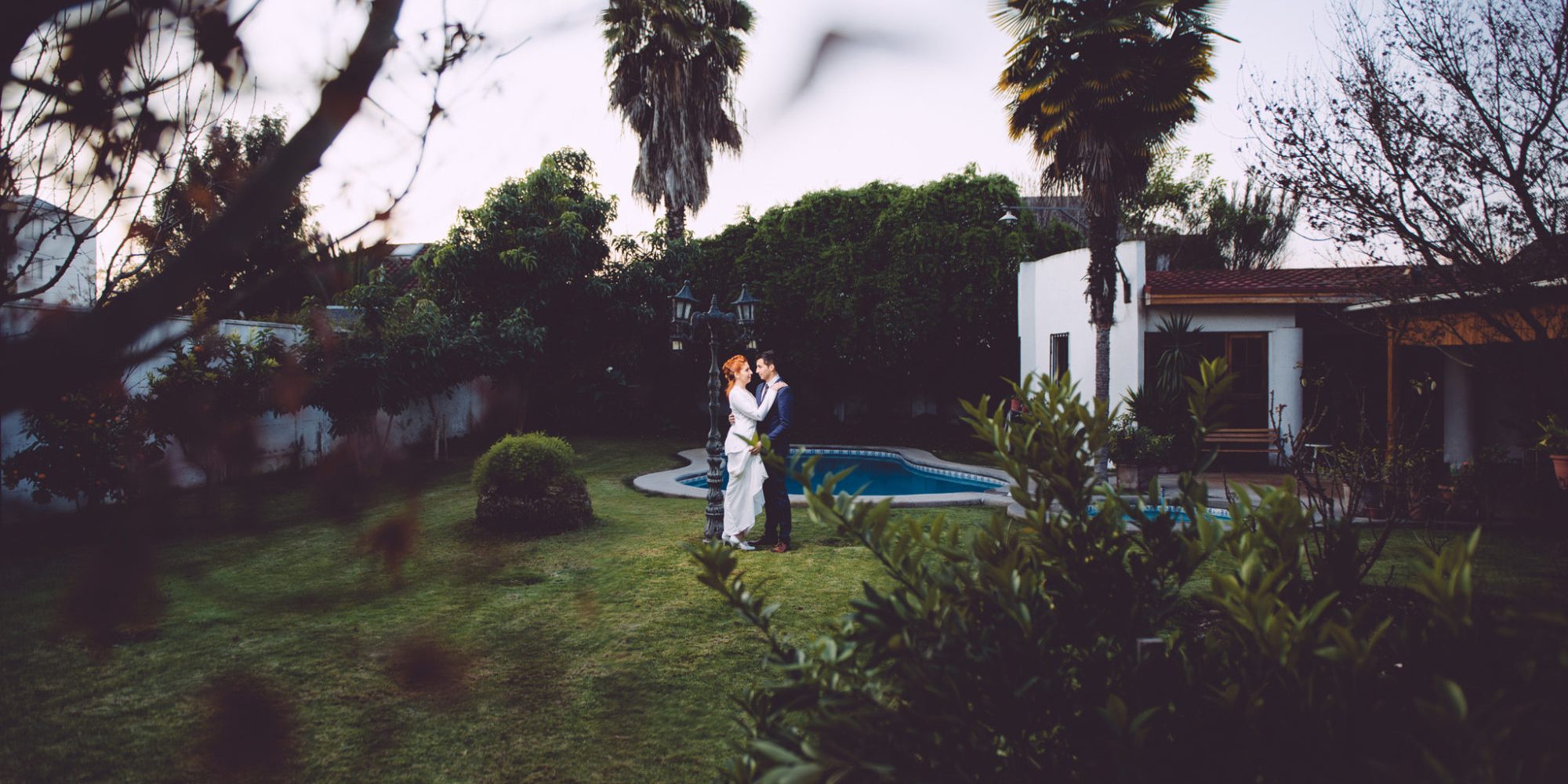
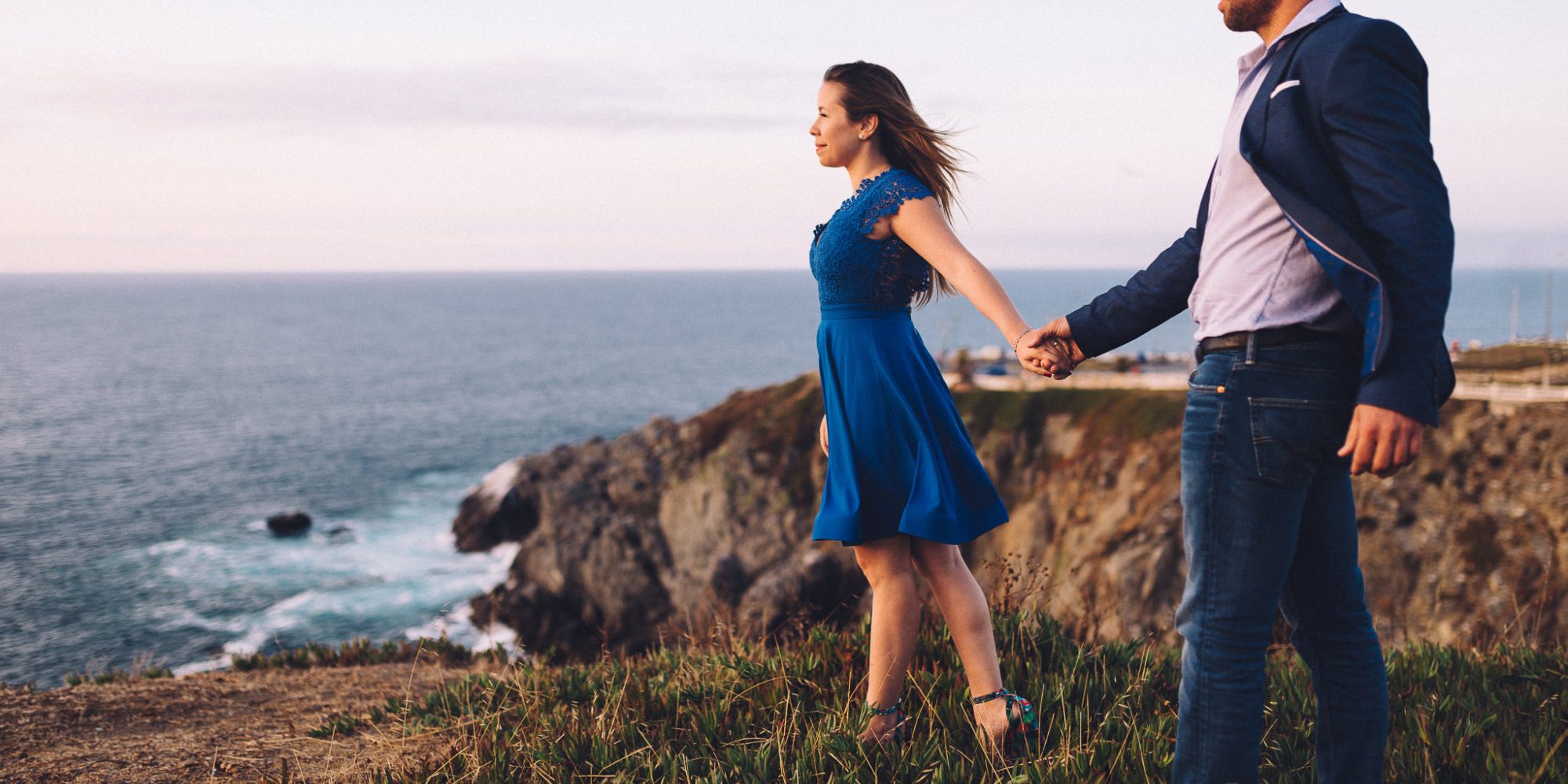
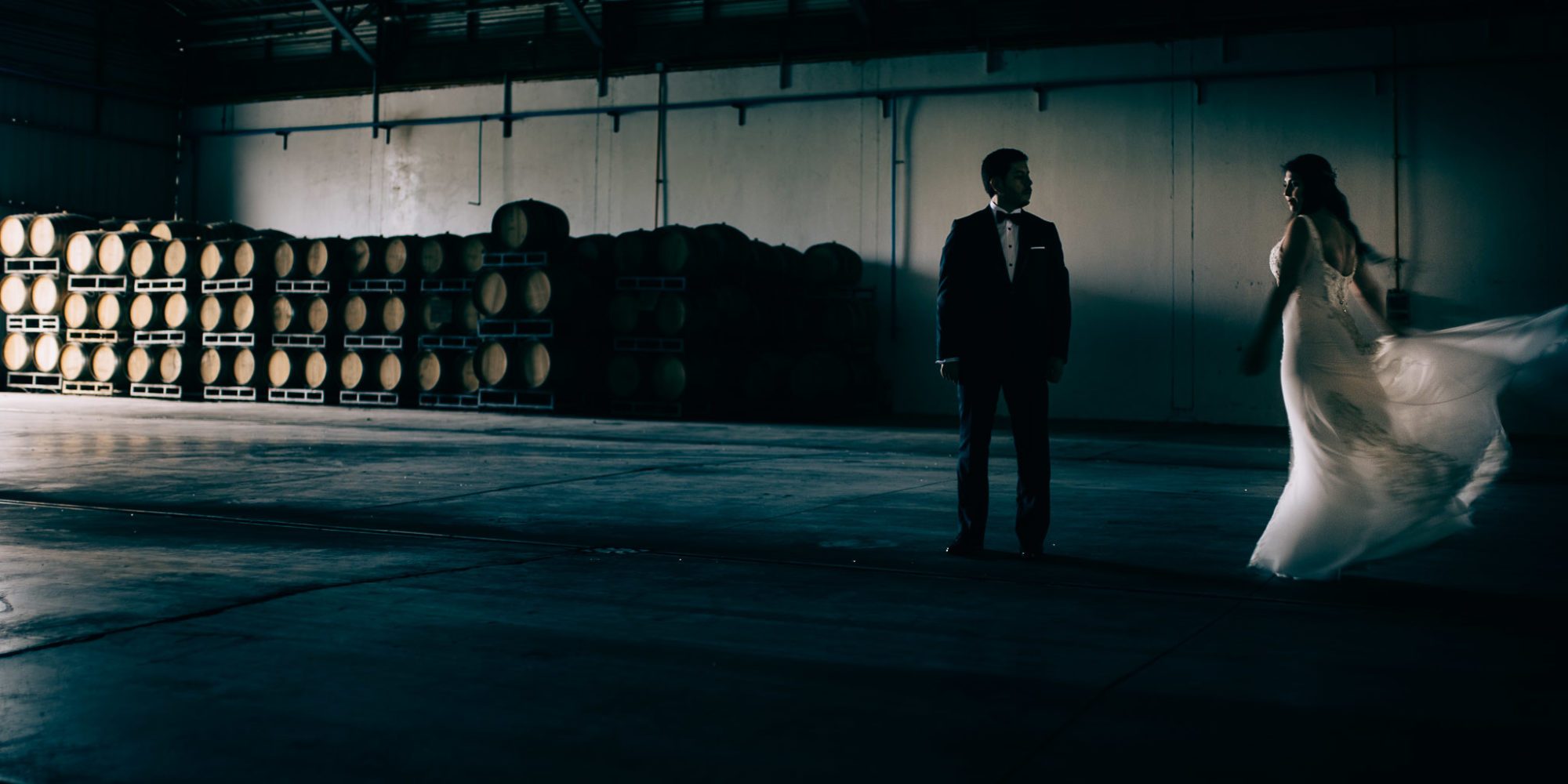
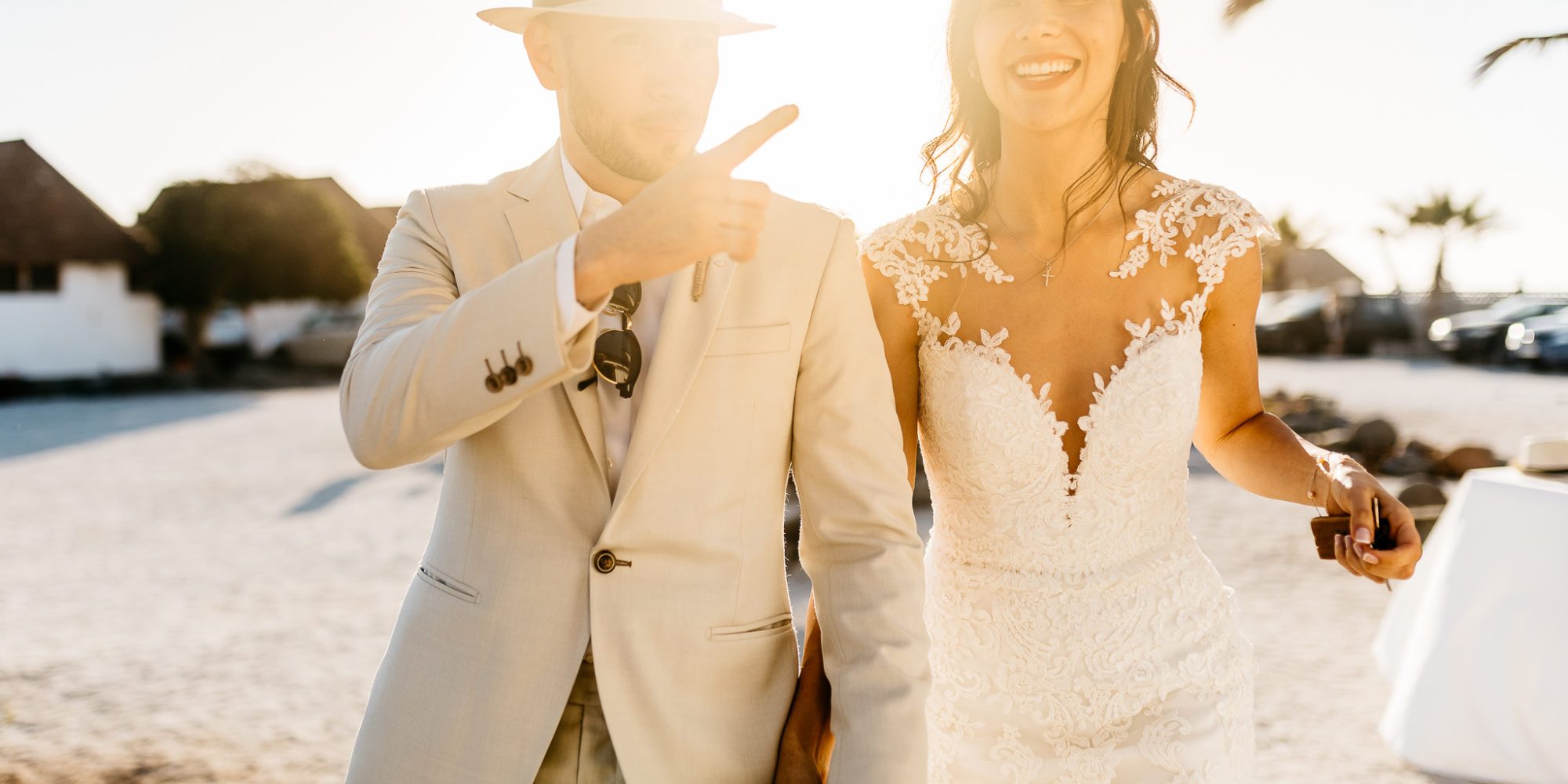
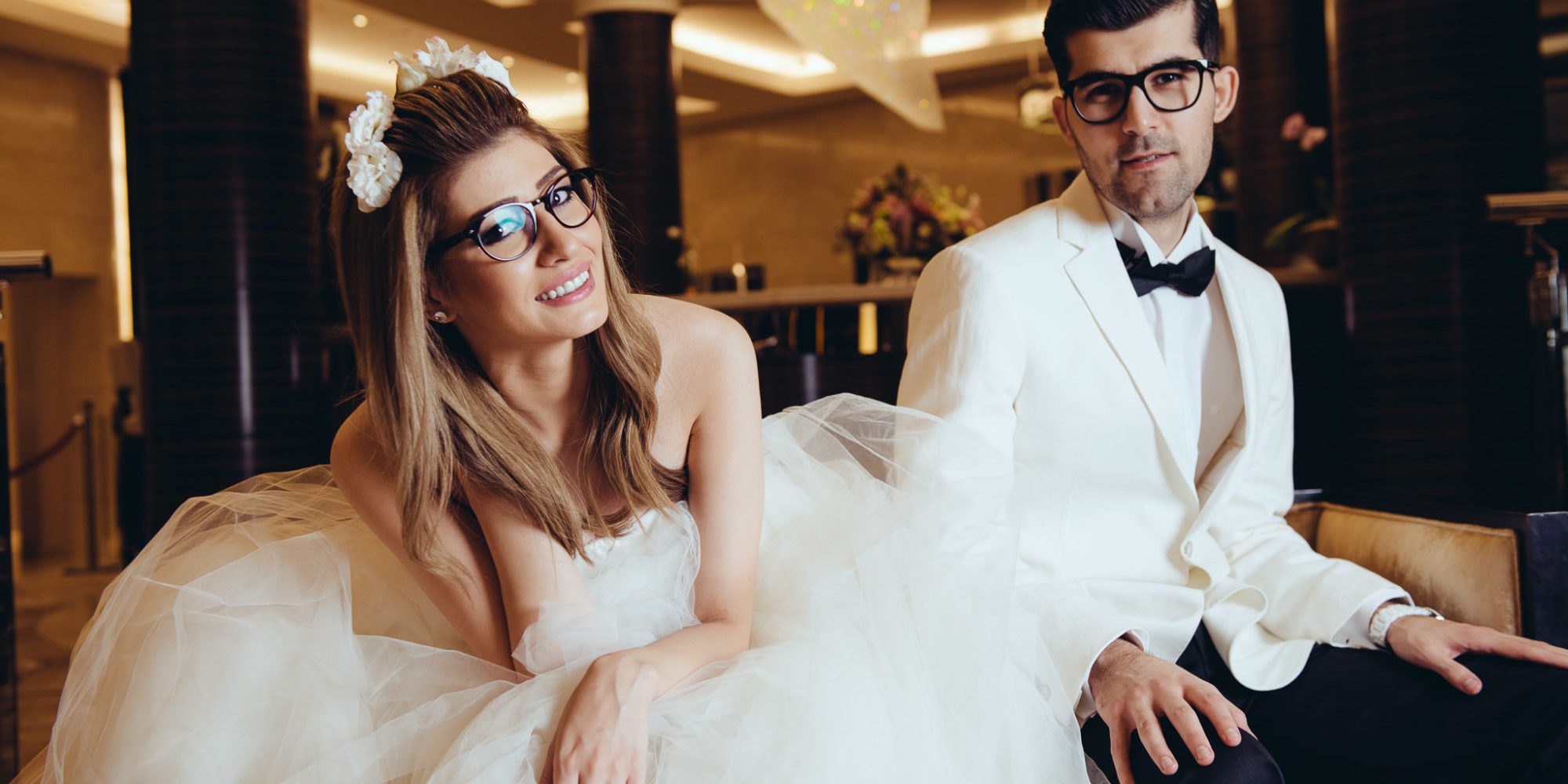
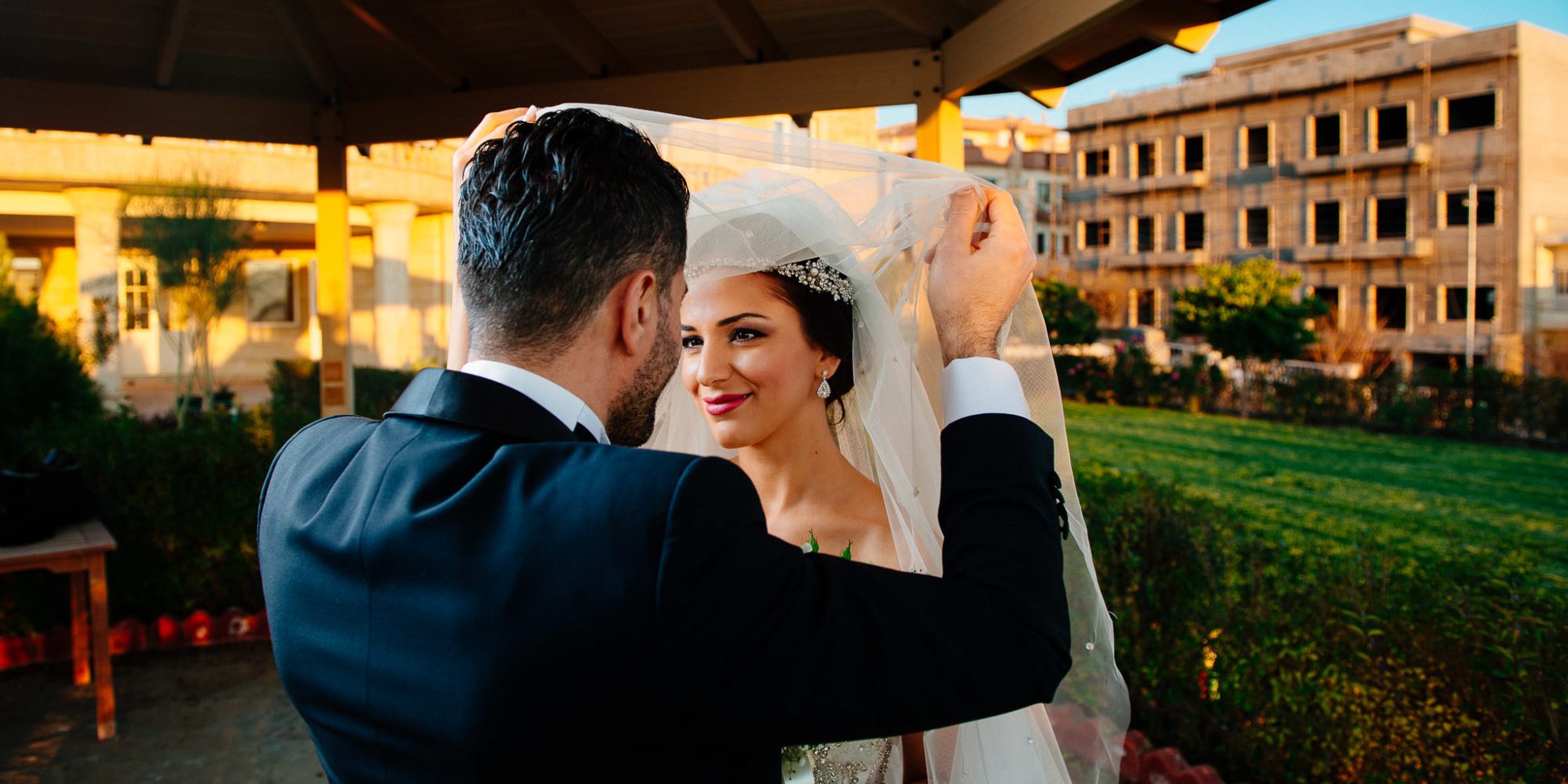
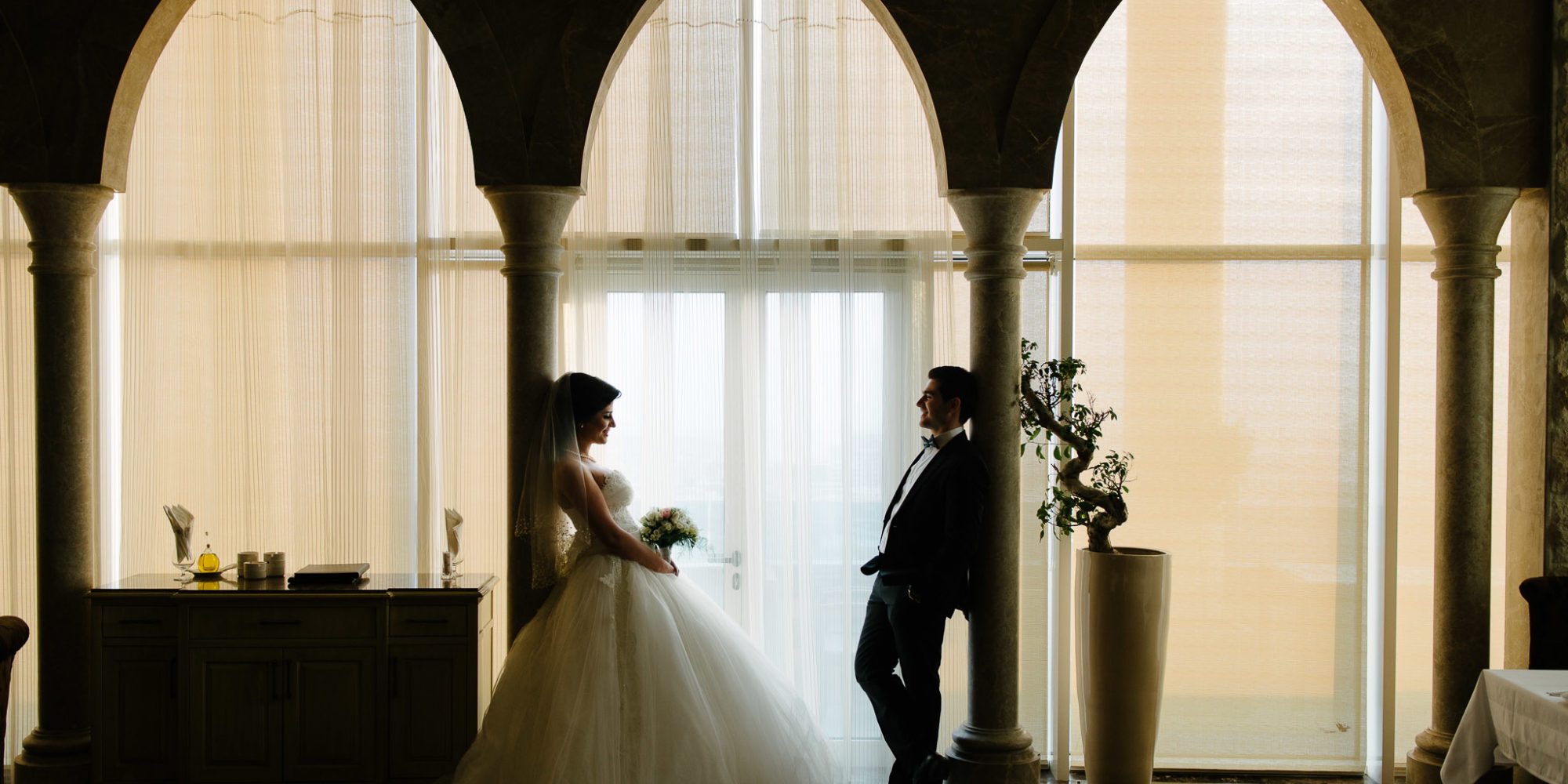
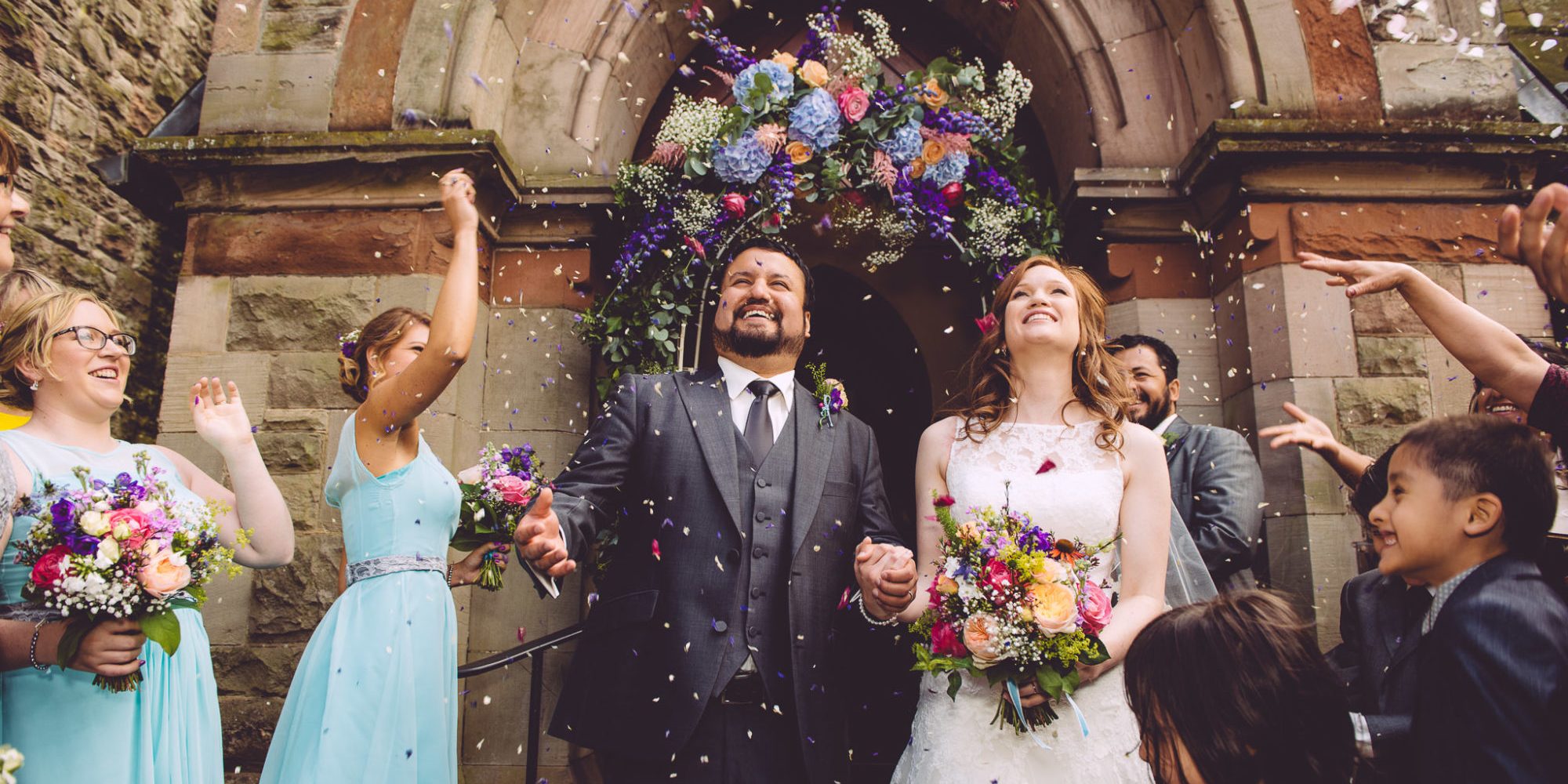
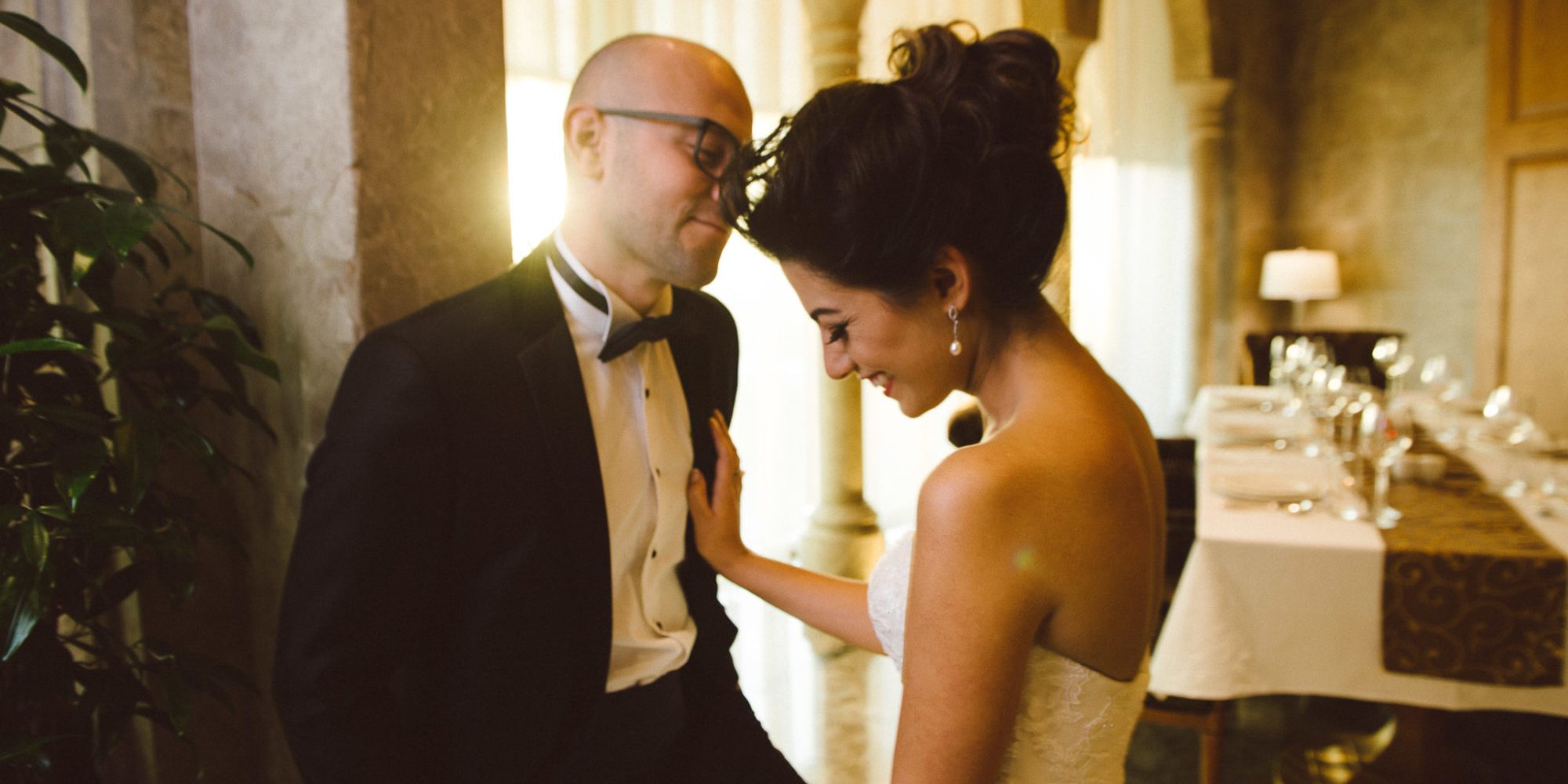
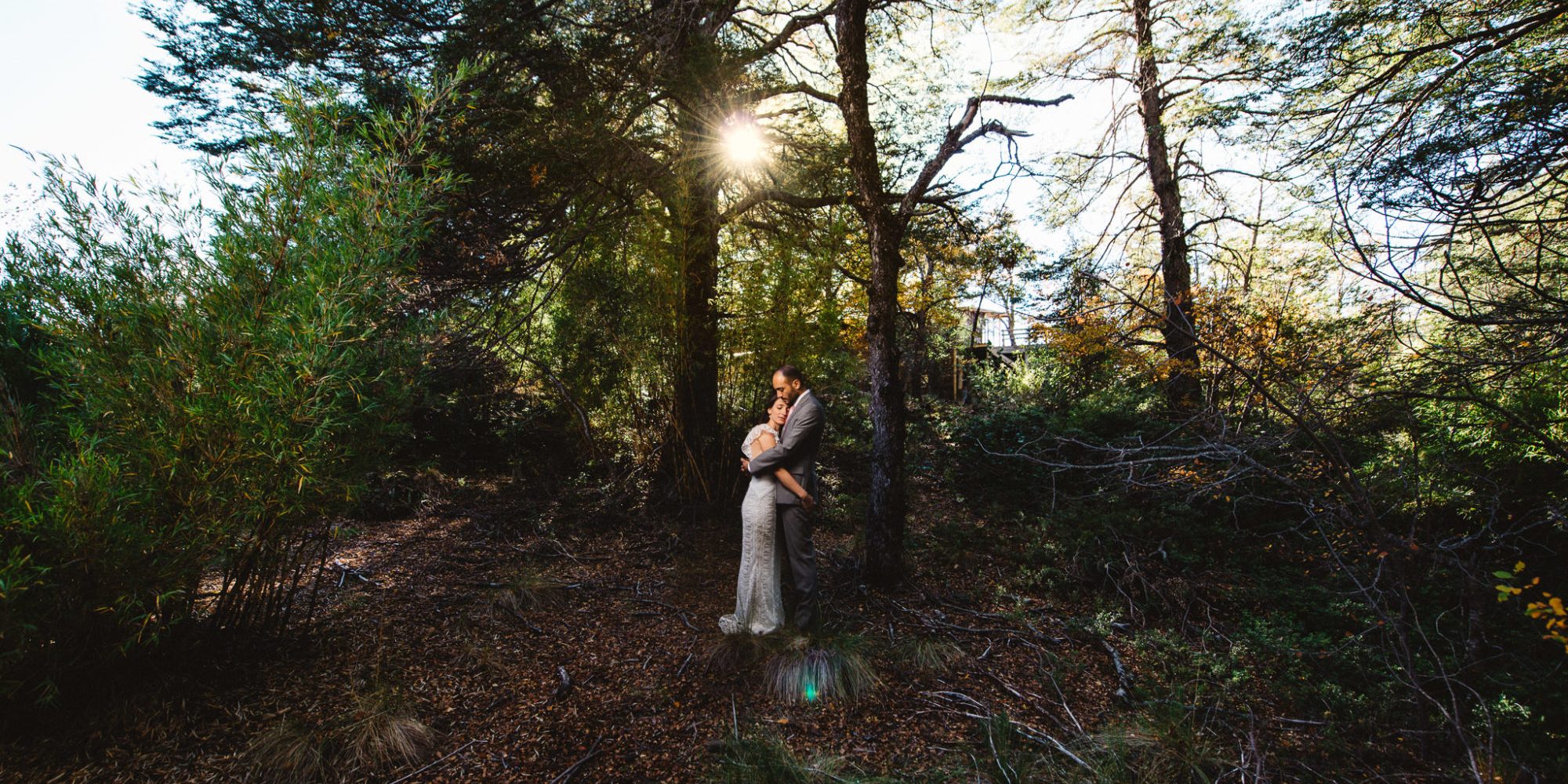
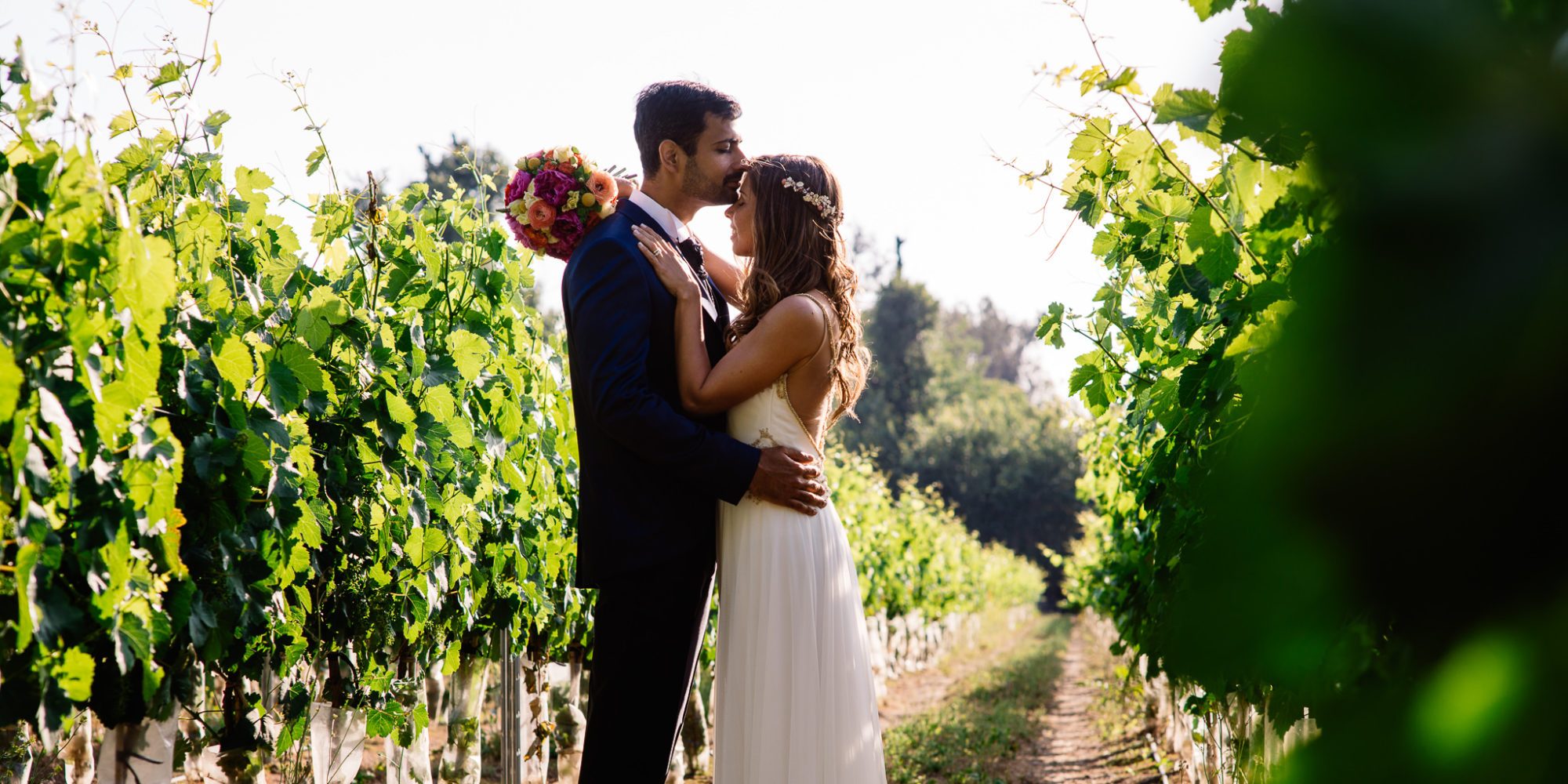
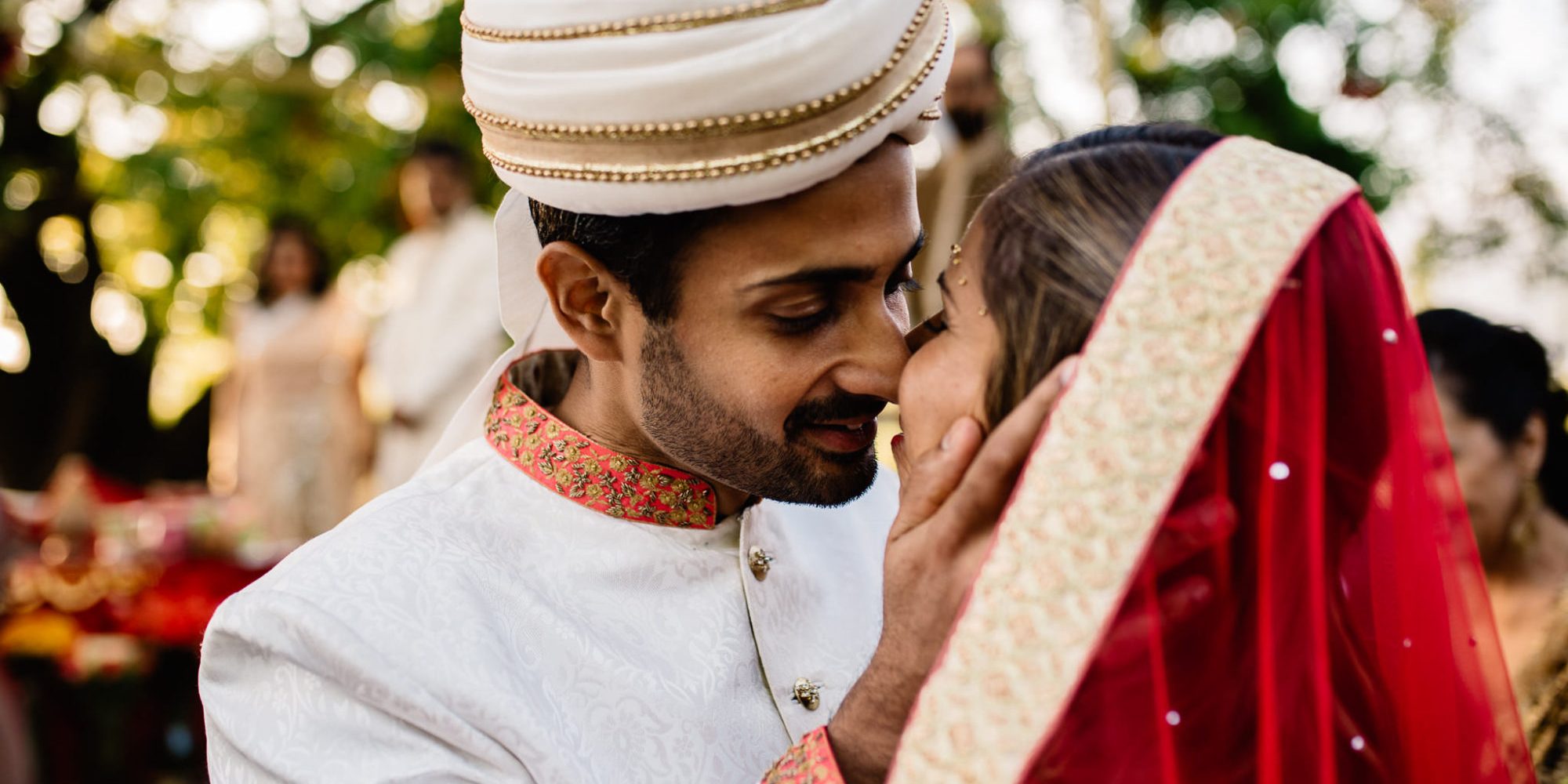
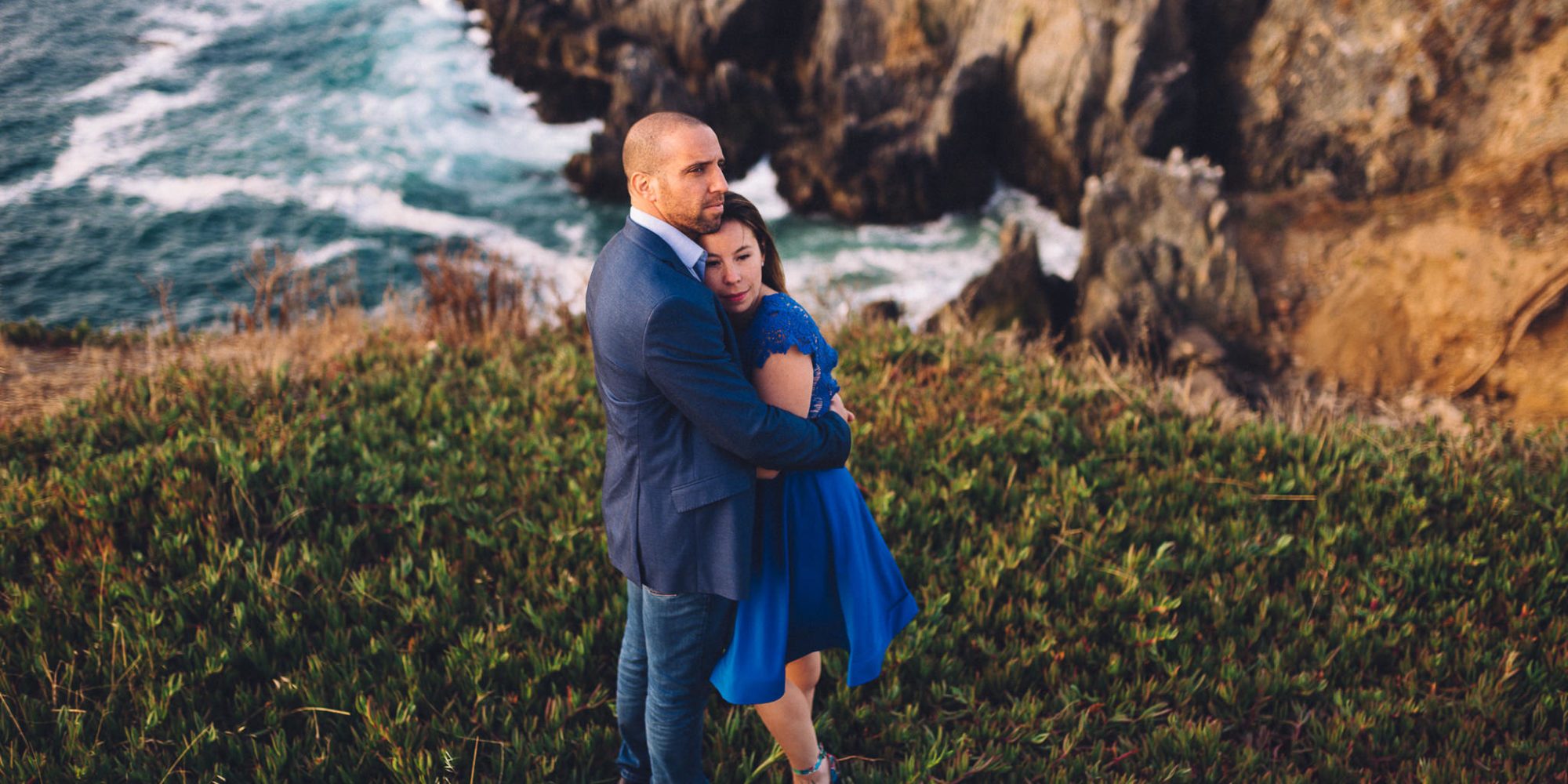
Chile Destination Wedding | Photographer & Filmmaker
1.
WORK
MY COMMITMENT
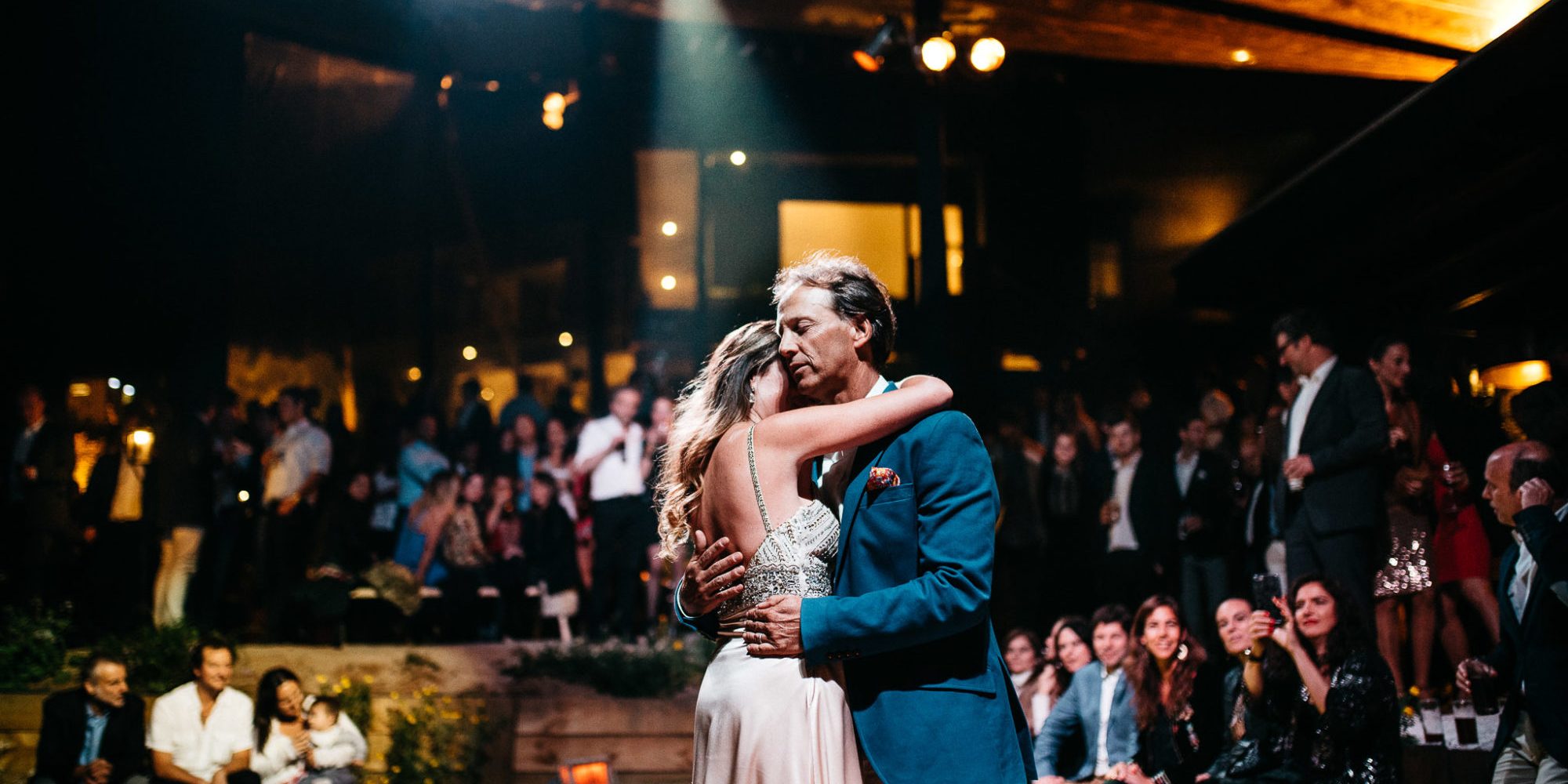
Because I know that a Destination Wedding in Chile or anywhere else is not a repeatable event and there’s only one chance at capturing it. To me the moments, the gestures, the laugh, the tears, the hug, the dance, are such important details that I try not to miss a thing. I’m totally committed to work hard and make every second count of that day!
In my days working as a humanitarian photographer among war refugees I learned the importance of a photograph. These are part of your legacy, these are the memories that you hold on to at different stages of your life.
More than just a Photographer, I want to be part of your Wedding. Experiment that day with you and create memories that you will be proud of.
2.
STYLE
IMAGERY
My photography comes from a combination of styles that I’ve developed throughout my career. My beginning was in the documentary/storytelling field. Learning all the different techniques and compositions to tell stories. From there I learned to anticipate the moment. To approach closer to subjects and to get details and gestures that would reveal their persona in a more sincere way.
At the same time I got involved in the Editorial world. Where I learned everything that I know about working with lights, flashes and studio strobes, posing and guides to develop a more refine image. Today in a Destination Wedding in Chile you could see the blend of these two styles.
3.
DIVERSITY
WEDDING DESTINATION
I lived almost thirteen years in Middle East. I’m born and raised in Chile. I worked ten years at an international NGO. I have learned and seen the beauty of diversity at its core.
I have photographed weddings for Muslim, Jewish, Christian, Indian, Baha’i among others. Same sex marriage as well. Multi cultural and diversity weddings are my thing!
I totally value intimate weddings. Elopements and Destination Weddings are a dream to me. I’d love see more couples coming into this country and explore some of its amazing locations. Patagonia, Rapa Nui (Former Eastern Island), San Pedro de Atacama (Desert on the North), Vineyards in central valleys, Pacific Ocean, are just some of the spots available in this wonderful country.
Vade Retro – Trailer


ABOUT US
“
Finally settled in Chile…
Painting, drawing… there are certain things that are born along with us and certain things that we learn in life. I believe photography is something that I was born with. It’s a continuation of my desire to keep drawing things.
When I was a teenager I discovered my mom’s camera, a small pocket size camera using film. Later on I bought a digital camera that was a step above that old camera but It was not until 2006 when I received (A gift from Belen) my first DSLR. Then I had a huge need to tell stories, We were living in Middle East already for three years with my wife, in a place called Kurdistan. (Although is physically located in northern Iraq)
We went to Kurdistan with an international NGO that was carrying out humanitarian assistance due to the situation that the country was experimenting during those years. It was in that environment that our photography was born.
Belen and I were totally committed to capture stories, people, culture in Middle East. Photography was an excellent medium to document the humanitarian stories that were unfolding in front of us. You can see some of those here, Personal photographs.
Around 2010, and thanks to my friend Matt Brandon (Aka digitaltrekker) and his workshop about storytelling and multimedia for NGOs, is that I took a more serious step into photography. That was the beginning of my humanitarian photography and that took me in an incredible journey through dozens of stories.
Another important part of my photography is my Editorial work. I worked for some magazines and later on I was commissioned for some advertising agencies as well. I was in the middle of that process when I landed into my first Wedding and the rest is history! You can guess what happened after that.
Today we are even more passionate about documenting lives in this side of the world. Passionate about keep raising a family and working together with Belen Leon
After almost thirteen years in Kurdistan, we got back to Chile and now after a very difficult transition we are back into the game! We have settled down. We bought a piece of land by the beach (Algarrobo), built a house, 20 minutes away from one the world’s finest wine valleys (Casablanca). We are about to launch a new photography brand with Belen (my wife) and a production agency. So life could not be more excited at this moment.
With Belen (my wife) we are parent of four boys! Without any doubt they are our biggest inspiration in life. We have learned so much in this “process”. We understand family, community and relationships way better.
2019
OUR PLANS
As I mentioned it before we are about to take off with a new photography brand in conjunction with Belen. We have been photographing weddings together for a whole season now, with excellent results so we want to take this to a next level, an international career. Also our work for brands (like Urgaming) and small businesses has taken us to the starting process of building a production agency as well. We hope we can reflect most of these steps along the way in this website.

LET’S TALK

Photographs and Films by Heber Vega.
Designed by Full Bloom Digital
More photos: Wallpaper.zone
Error: No feed found.
Please go to the Instagram Feed settings page to create a feed.