
© All Rights Reserved | 10.Q Interviews
Welcome to 10.Q Interviews.This section usually features interviews to Humanitarian, Cultural & Travel Photographers, their work and photography.
This week in 10.Q Interviews, Keith Dunlop:
“Keith’s photography style is best described as quiet and unobtrusive. He prefers to document an event as it unfolds naturally, capturing the moment in natural light, without any prompting or interference from the photographer. Keith’s style and his intuitive sense for the overlooked detail forces the viewer to look beyond the immediate and into a unique glimpse of an intimate world as seen through his eyes. Keith has logged thousands of miles traveling the world since 2001 to such places as Haiti, Nepal, Guatemala, Peru, Hungary, Austria, The Czech Republic, and Turkey, in search of intimate portraits of people and place.” [More about Keith Dunlop...]
1.Tell us about you and your photography. What kinds of shooting have you done? Have you worked for any humanitarian organizations/magazines etc.?
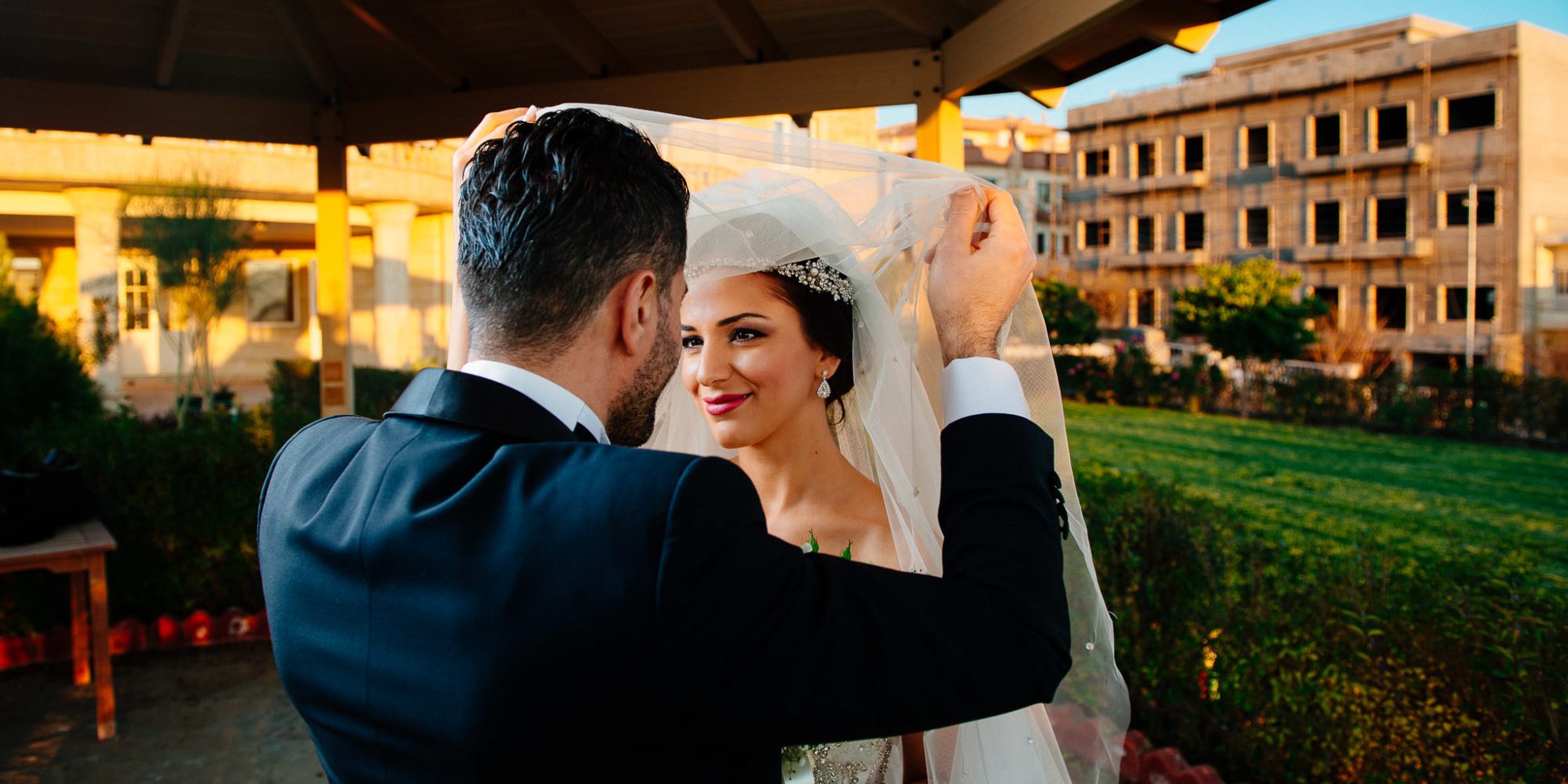
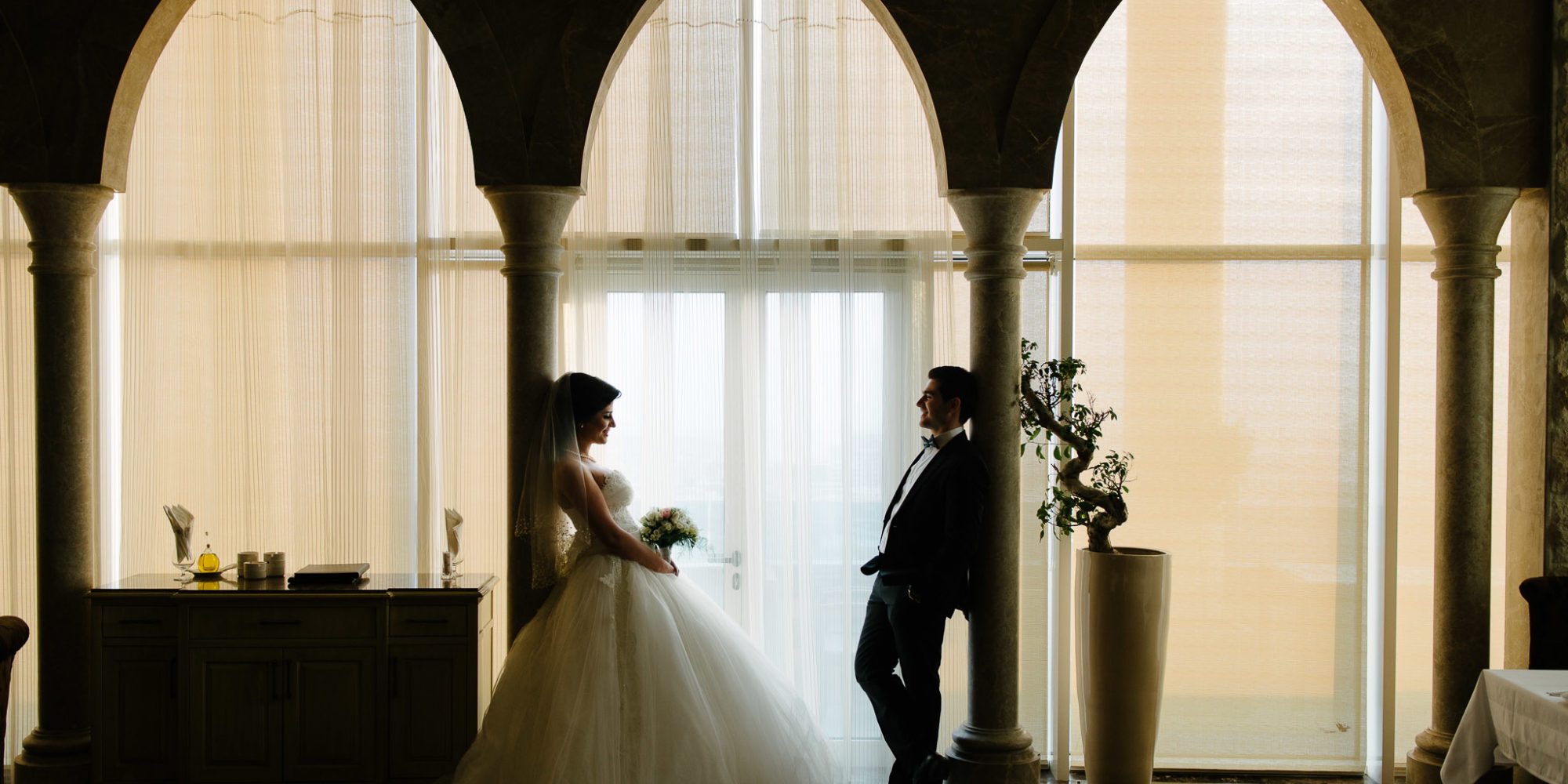
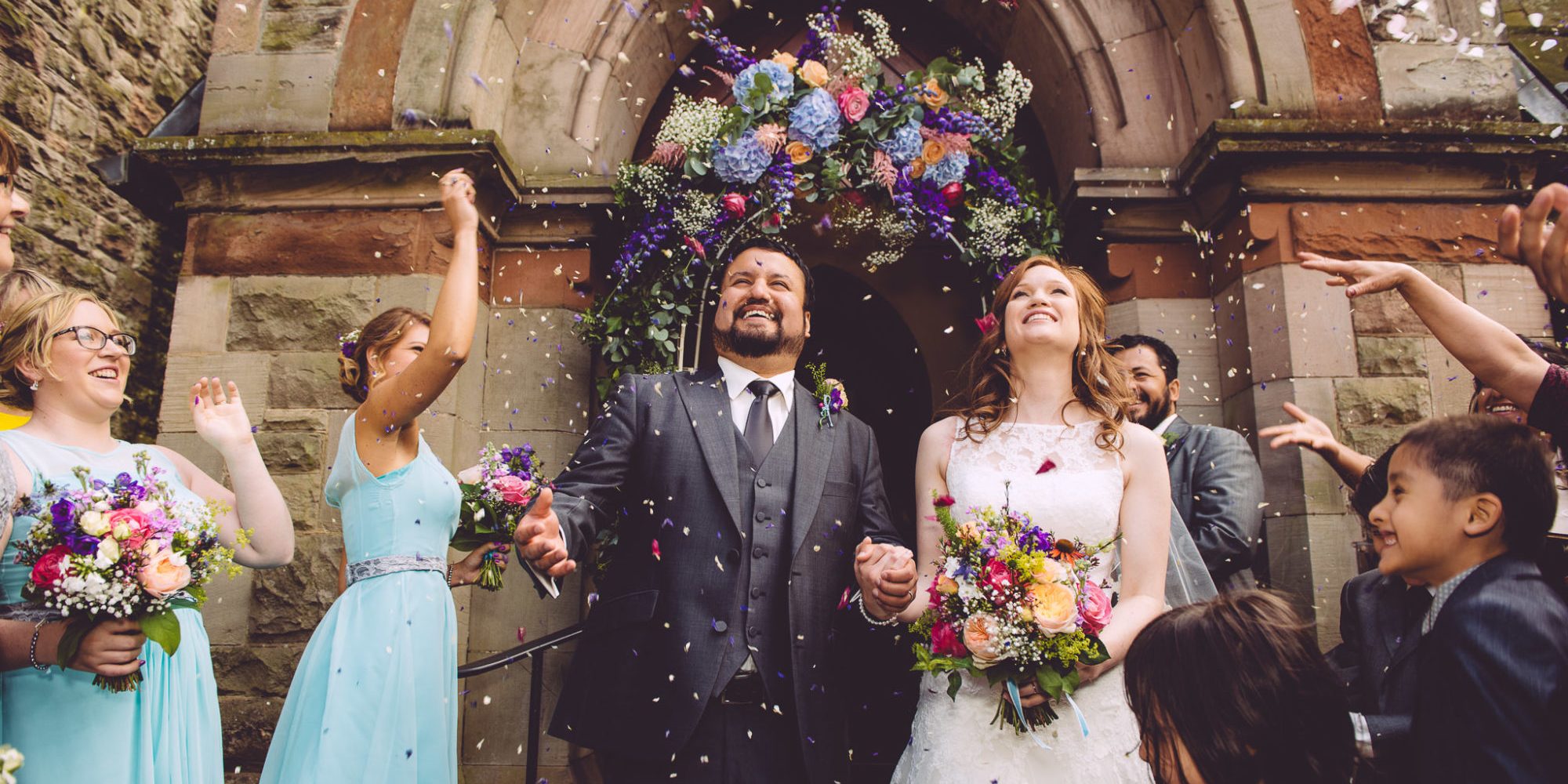
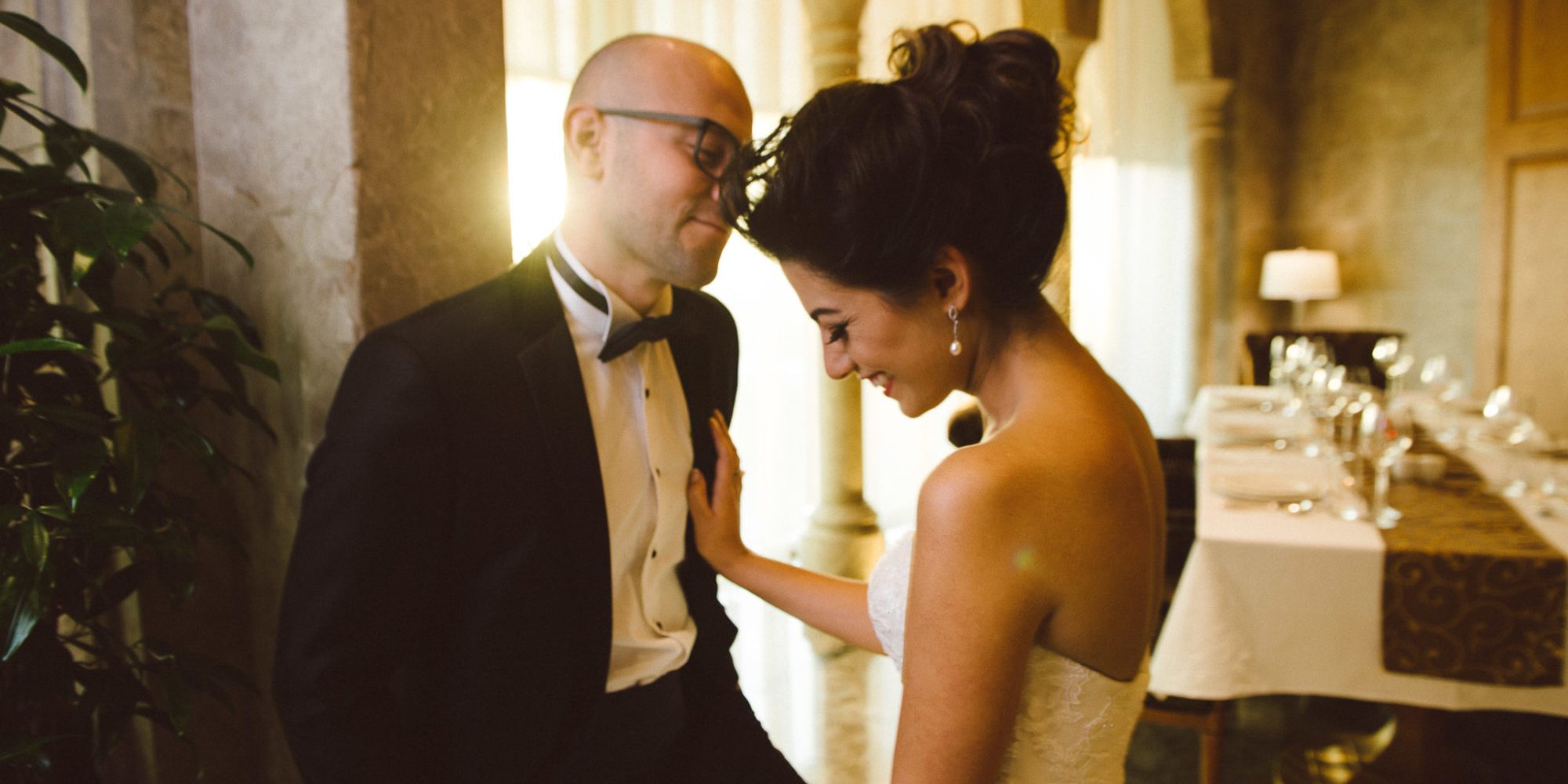
I was introduced to photography by my parents who bought me a 35mm SLR when I was a freshman in High School. I was immediately obsessed with it and was soon processing film in a small bathroom in our family home. I took photography classes in High School where I learned to print my own negatives, and in college I repeatedly registered for the same photography class so I could get access to the school’s darkroom. However, I am largely self-taught. I sought out information about technique wherever I could find it in books and magazines. I experimented with different formats, and took on a wide-range of small commercial assignments including portraits, weddings, and even architecture.
Ultimately, I never found a direction with my photograph that I was satisfied with, and I drifted away from it. There was a large period of time when I didn’t even own a single camera. At the same time, I was building a career in insurance claims management, and my corporate professional life had extinguished any interest in photography. Fast forward some 15 years and as I became more and more disenchanted with the corporate life I was leading, I returned to photography as a creative outlet, but also a form of therapy from my daily work stress. I also rediscovered my interest in documentary photography and developed a 5-year plan to build a body work that I could market and develop into a new career. With that in mind, I used the substantial income I was bringing in from my day-job and began traveling the world in 2001 starting with Nepal. Before that trip, I had never traveled outside the US, say nothing of a country on the other side of the world. Upon my return, I’ll never forget the emotion I felt when viewing the transparencies on the light table knowing that I had captured what I saw in my viewfinder. The conception of an image that I saw at the time I was photographing it, had been accurately translated to the film, and that revelation instantly transformed me. From that moment, I knew without a doubt what I wanted to do with the rest of my life.
In 2006, I walked away from my corporate life for good, sold everything, and moved to the Central California coastal wine country of San Luis Obispo. I started a documentary wedding photography business in order to provide working capital to continue building a client list for my humanitarian NGO work.
Most recently, I was asked by a local NGO (MOSCTHA) based in The Dominican Republic to document their relief efforts in Haiti following the devastating January 12, 2010 earthquake. MOSCTHA is a major on-the-ground distribution partner for Direct Relief International, and provided me with an extraordinary amount of support and access to their operations. I returned to Haiti for a second assignment with MOSCTHA in April, and the images from both trips are now featured prominently in their marketing and fund-raising materials.
I am also proud to have been selected as a contributing photographer to Latitude Magazine — a new media venture featuring photojournalism for the iPad. The concept of Latitude Magazine is a historical record of the world as it exists on one day. On the 14th of each month, contributors photograph the daily lives of interesting individuals, communities or workplaces in a manner that expands our understanding of the world. My work from The Dominican Republic will be appear in the upcoming second issue.

© Keith Dunlop | www.keithdunlop.com
2. We all know that you don’t get into humanitarian photography to become rich, so what does humanitarian photography means to you? What’s your vision for it?
Based on the experiences of my two assignments in Haiti, I think it’s very important for photographers and journalists working in areas of humanitarian need to have a very clear objective. Being so close to the US, Haiti became a magnet for a large number of photographers more interested in disaster tourism than true photojournalism. Others were there on spec using the crisis as a training ground for their own personal objectives. Myself, I only traveled to Haiti once I knew I had a specific client to work for who will use my images for the greater good of the Haitian population. It’s an unfortunate aspect of this type of work, but dramatic images are the thing that drive fund-raising for the NGO’s. It is my hope as a journalist that my images move NGO benefactors into action, and therefore ultimately benefit the victims of humanitarian crisis’ around the world. And, while I certainly don’t expect to become rich from the work, photographers such as myself can earn a very comfortable living, while at the same time seeing our work promote the goals and missions of our NGO clients.

© Keith Dunlop | www.keithdunlop.com
3. How did you get into humanitarian photography? Where did you get the idea to shoot these kinds of people and groups?
The international traveling and documentary shooting that I started doing in 2001 gradually built a desire in me to see my work serve the humanitarian needs of the disadvantaged populations I was photographing. I was gaining valuable experience in terms of the logistic knowledge and the challenges of working in third-world countries, but I saw my images as self-serving. I decided at some point that I wanted to work directly with humanitarian organizations and see my images have a greater impact on the people I was photographing. I was literally on the phone cold-calling NGO’s on the 12th of January with CNN on the TV in the background when news of the Haiti earthquake broke. Within a few days I had made contact with MOSCTHA in The Dominican Republic, and I was on the ground with them shortly thereafter.

© Keith Dunlop | www.keithdunlop.com
4. What are the challenges of shooting for NGO’s or non- profit organizations?
I think that one of the greatest challenges for a photographer working with NGO’s is understanding the business of the client. MOSCTHA, the Dominican Republic based NGO that I worked with in Haiti for two assignments following the January 12, 2010 earthquake, was faced with significant obstacles regarding obtaining relief supplies, and also logistical hurdles in the delivery of those goods. Unlike the major NGO players in regions such as Haiti that operate huge warehouses full of corporate-donated relief supplies, the Director of MOSCTHA at times literally drives the streets of Santo Domingo for hours trying to find enough material to load into the back of pick-up trucks for weekly runs into Haiti. As a journalist, one must understand the operational limitations of the client in order to best service their needs.
Photographers who aspire to do this kind of work also need to understand that there is no glamour or romanticism associated with working for NGO’s. Often times traveling with an NGO into a disaster area or region of humanitarian crisis requires adapting to living conditions not much better than the displaced population. During my two assignments in Haiti, I slept on a concrete slab on the grounds of an abandoned structure with no sanitation, running water or reliable electricity. The days were brutally hot with temperatures in the high-90′s and humidity to match. I got sick twice.
There are also very serious security concerns with working within a population desperate for aid. A photographer in Haiti carrying thousands of dollars worth of camera equipment becomes a very attractive target to criminals. One neighborhood I traveled to with MOSCTHA, the barrio of Gran Ravine, was virtually ignored by the major NGO’s following the earthquake due to very real security concerns. I was only able to photograph in the region due to the fact that one of MOSCTHA’s directors was born and raised in the neighborhood. He was known by the locals, and it was only owing to that fact that secure passage for me was possible. Another photographer that had previously worked for MOSCTHA had ignored warnings about traveling alone into Cite Soleil for the same reasons, and was quickly robbed at gunpoint upon entry.

© Keith Dunlop | www.keithdunlop.com
5. How much do you travel every year? How do you manage your family time?
At present, my plan is to accept assignments requiring no more than 3-4 months of total travel, and to continue to service my wedding photography business the balance of the year. The wedding business now provides a steady source of income, and I will need to see my NGO work increase consistently to the point that I’m comfortable cutting back with my other work.
My wife and 6-year-old daughter are very important to me, and obviously, managing family and travel is a challenge. For now, I’m home more than not, so it’s manageable. We have a support system in place for the times I am out of the country. And, since wedding photography is mostly a weekend job, I get to spent the kind of time with my family that most people with 9-5 jobs don’t.
6. Who’s been an inspiration for your photography? How do you stay inspired? Do you read blogs? if so, which ones would you recommend?
I am inspired by a wide range of influences, most obviously the major photojournalistic giants of the last century including Henri Cartier-Bresson, Robert Capa, and Robert Frank. When I was young, I was obsessed with the photography in National Geographic and found myself trying to emulate such artists such as David Alan Harvey and James Stanfield, with varying degrees of success. But, whatever my level of success, I knew that I wanted to follow in that tradition of documentary photography. My hometown hero has to be Karl Grobl who I consider a valuable source of inspiration that constantly moves me work on improving my own images. He is also just a great guy and is always willing to dispense valuable information to other photographers.
Staying inspired and motivated to work, especially when working in disaster zones, can be a difficult task. It would be very easy to dismiss the work as too difficult from a logistic basis, as well as from the emotional toll it inevitably takes. One must remain committed to the work, and to the challenges inherent with working in such close contact with people in desperate circumstances. I find continued inspiration in the knowledge that my images can serve to benefit those populations in need.
I also find that there are significant lessons to be learned from artists outside of the specific genre of journalistic photography. I have a passion for what I consider fine-art cinematography and I have been highly moved by the works of Freddie Young (Lawrence of Arabia) and Conrad Hall (American Beauty, Road to Perdition) in particular. I have a tremendous amount of respect for the talent that is required to convey the human condition with the visionary eloquence of a moving picture sequence. It requires an ability to see not only the static frames of imagery in a particular scene, but to connect all of those individual images in a moving sequence that retains not only the visual imagery of the scene, but also the emotion of the time and place being documented. Still photographers trying to craft an effective picture story with a series of still images, can learn a great deal from moving picture imagery.
I don’t read blogs too much, but I am fairly active on photography forums such as Lightstalkers, the Leica Users Forum, and Fred Miranda. I also try to stay connected with what’s happening with NGO’s around the world with the Reuters AlertNet for Journalists.

© Keith Dunlop | www.keithdunlop.com
7. How do you normally approach people from other cultures? What are your limits at the moment of shooting people in need, or in a complicated situation?
I have found that the best way to approach people from other cultures as a photographer, is to do so first without a camera in hand. People are naturally wary of journalists and cameras, especially in regions dealing with humanitarian disasters. It is always best to approach as a human being first, and a journalist second. Trust must be established between a photographer and his or her subject, and that takes a concerted effort on the part of a photographer to show compassion for the suffering of another human being. Once your subject has a sense that you’re not there to exploit, but rather to tell the story of their plight, most become understanding about a photographer’s job to document. Sometimes this process takes place within a short few moments; other times much more people-skill work is required. In Haiti, I made it a point to try to connect with the people I would be photographing by helping aid working distribute supplies, making eye contact, being very visible, waiting for supplies to actually reach the hands of people, and by that process, slowing allow people to accept my presence. Only then do I take my cameras out.
On the subject of Haiti, I also learned what my emotional limits were in terms of documenting human tragedy. On my first day of working with the NGO MOSCTHA, I traveled with them to a refugee camp where they would be providing innoculations to the children of the camp. After a couple of hours, the nurses ran out of vaccine doses and had to turn away a large number of people who had not been treated. While taking a private moment in a quiet area of the camp to process what I had witnessed, a small Haitian girl of perhaps three or four years of age approached me speaking a Creole word I did not know. She continued to repeat this word over and over, seemingly frustrated over my lack of understanding. The little girl then climbed into my lap, repeating the same Creole word, and looked directly into my eyes while she pointed to her upper arm. I quickly realized that she was begging me to give her the shot that she had seen so many other children receive. It was a heart-breaking moment to realize my helplessness to aid this little girl in need, and it was quite difficult to keep my emotions in check at that moment.
The following day I traveled with MOSCTHA to an orphanage in Leogane that had collapsed in the earthquake killing a number of children. A little girl of perhaps 5 or 6 years of age had survived the building collapse, but lost both of her legs below the knees when she became trapped in the rubble. MOSCTHA had taken her a wheelchair the day before and we were visiting, in part, to see how she was doing. I found it remarkable when I observed the little girl to be of high spirits — laughing and interacting with the other children of the orphanage as if nothing had happened. But for her circumstances, my initial photographs of her reflected an average happy child. Then, later in the day while I working in another part of the orphanage, I heard what sounded like cries and screaming of a child. I went to the area where I had heard these cries and discovered medical volunteers changing the bandages covering the stumps of the girl in the wheelchair. She was screaming in pain as the old bandages were being pryed from her damaged flesh. I took no pictures. There were no thoughts in my head about photographs in this situation. Instead, I found my thoughts moving to my own child and the horror of what the girl in the wheelchair was experiencing. It was impossible to control my emotions at that moment and I ran to an area out of sight of the others and cried uncontrollably for several minutes.

© Keith Dunlop | www.keithdunlop.com
8. What are the characteristic that a good humanitarian photographer needs to have? What would be your advice for a photographer who is just starting out in this field?
A humanitarian photographer must have the ability to approach people with respect, both for the individual and the circumstances they find themselves in. A photographer has a responsibility to the subject beyond the commercial objectives of the assignment. You must gain the acceptance of your subject through a compassionate approach in how you communicate your intentions. If a journalist is not willing, or able to do this, they have no business working in areas of humanitarian crisis.
In Haiti, I photographed severely injured people laying in their hospital beds, and essentially, committing the most braisen form of personal privacy invasion one could possibly imagine. It would unheard of in normal circumstances for a person to walk into a stranger’s hospital room and start taking pictures. Therefore, when photographing in regions of humanitarian crisis or devastating natural disaster such as in Haiti, it is critically important for a photographer to approach the situation with a high degree of respect and empathy. When I photographed in the Haitian Community Hospital I took pictures, yes. But, I also talked to the patients, and spent time visiting with them and their families, asked questions about their lives, and in the best way I could, tried to convey that I wasn’t there just to take pictures and leave. By doing this, the people I was photographing accepted my presence, and understood that through my pictures they had a voice with the outside world. Through me, they had an opportunity to show people who might not otherwise donate money to an NGO exactly who needs the help.
9. Tell us about the last piece of gear that you deemed important enough to buy. How about the one that’s been most important in your career?
When I was working in Haiti, my iPhone was probably the one thing that I could not have done without. Even though I had my laptop, Internet access was very difficult to come by. However, I was able to use my iPhone to get email, access the internet, and keep my family informed about my welfare. The iPhone GPS function also provided to be a lifesaver since accurate maps of Haitian streets are hard to come by and there is no street grid system with the exception of Petionville.
It is difficult to think about what piece of gear has been the most important in my career. I consider my humanitarian photographer career to be just beginning, so come back in 20 years or so and I might have an answer.

© Keith Dunlop | www.keithdunlop.com
10. How important is social media for you? How do you it in your work? Any tips to share?
I have been rather slow to adapt to using social media for my work, although I am gradually looking at which options would work best for me. I have a Twitter account, but I’m trying to understand how to best use it. I’m not the kind of person who has to tell people what I’m doing every five minutes — I just don’t get that. However, I can see how it might be useful in distributing quick promotional information to clients. I have a business Facebook page and I run an ad on the site as well. I use the Facebook page as a compact version of my two blogs (I try to keep my PJ and wedding work entities separate), and I post small samples of new images in albums and post abridged versions of any informational columns that first appear on my blogs. I have also begun to take Flickr more seriously as a way to connect with potential photo buyers. More and more photo buyers and other potential customers are searching Flickr for images to license, including the big hitters like Getty Images. In the meantime, my website and blogs are still the primary and most activity visited of my online entities.
http://www.keithdunlop.com/
Keith Dunlop in Facebook
Keith Dunlop in Flickr
Twitter: @keithdunlop_com

Pingback: Tweets that mention 10.Q Interviews: Keith Dunlop, Humanitarian Photographer. Documentary Photojournalism | Humanitarian & Cultural Photography | Heber Vega -- Topsy.com