
10.Q Interviews: Jerod Foster – Travel & Environmental Portrait Photographer

©10.Q Interviews | Jerod Foster
Welcome to 10.Q Interviews.This section usually features interviews to Humanitarian, Cultural & Travel Photographers, their work and photography.
This week in 10.Q Interviews, Jerod Foster:
“Jerod Foster is a Texas-based freelance photographer who specializes in on-location portraiture and natural history.
Growing up in a largely rural and agricultural community in North Central Texas, Jerod is no stranger to getting his hands dirty when working, and that is what you see in much of his imagery. Freelancing for half a decade, he has had the opportunity to photograph much of the State of Texas from a natural history perspective, capturing the quickly disappearing, unadulterated landscapes, the wildlife communities, the finite textures and layers that make up the Earth, as well as the human inhabitants of the afore mentioned.” [More about Jerod...]
1. Tell us about you and your photography. How long have you been shooting? What kinds of shooting have you done?
First, I want to thank Heber for this great opportunity! The Internet offers a unique platform for community building, and even though Heber and I are many many miles apart, we’re able to connect on a personal and professional level via our passion for visual storytelling and the wonders of Internet technology! In addition, the set of interviews contained in this series is outstanding, and for any aspiring working photographer, no matter what industry, this is a gold mine!
I am a travel and environmental portrait photographer based in Lubbock, Texas, one of the flattest, most agriculturally intensive, and beautiful places in the world. Those familiar with Lubbock, or West Texas, might question that last description, but the people here create their own unique culture once the surface is scratched, and it’s nothing less than embracing! Aside from my own business, I teach photography at Texas Tech University, where I’m also working on my Ph.D. in Mass Communications and media sociology.
I have been shooting professionally for six years, and before that, I spent time as a magazine writer and designer for local agricultural and research entities. Since then, I’ve met and photographed many interesting people that have guided me to where I am now, and hopefully where I’ll be going in the future!
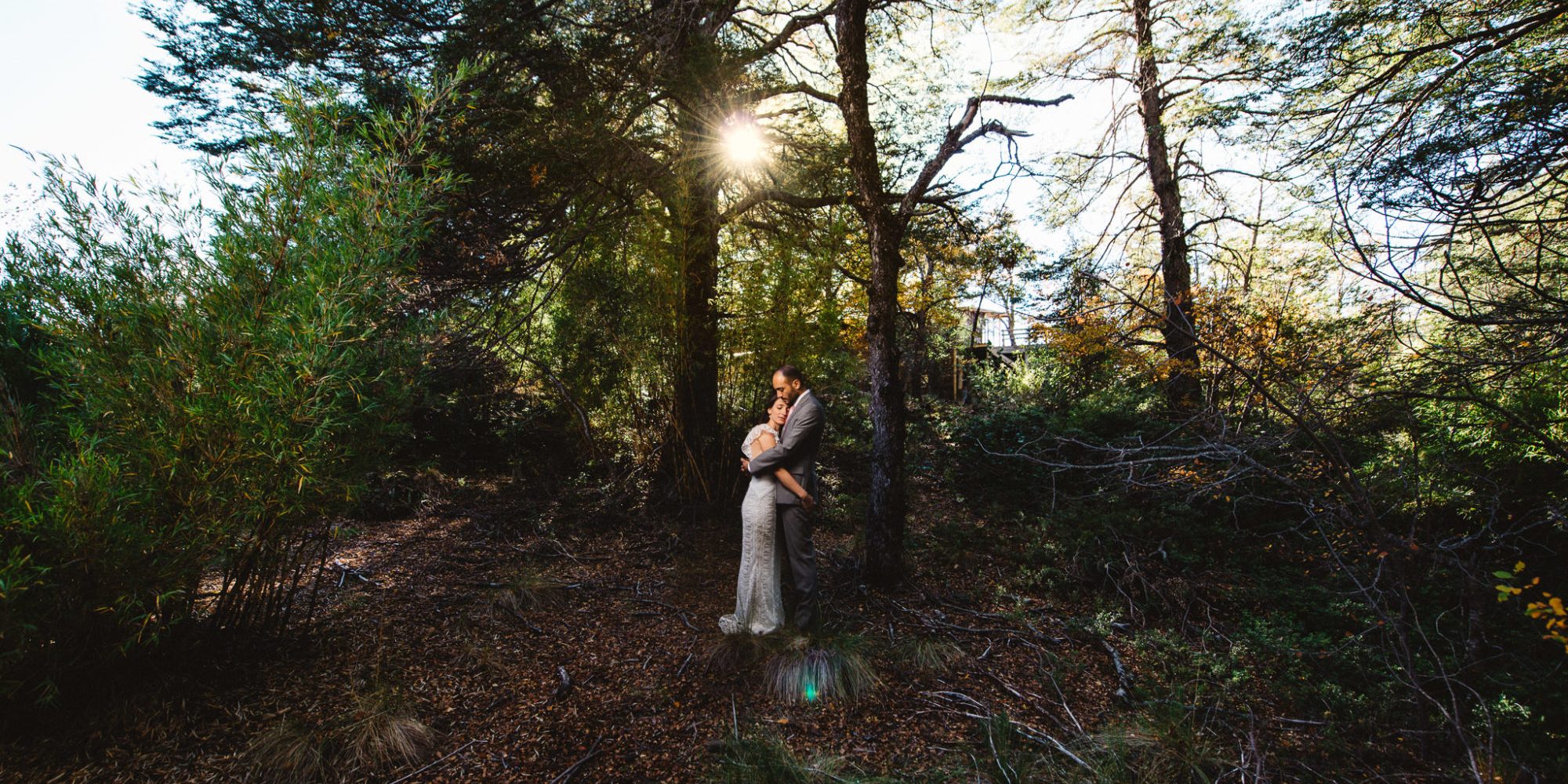
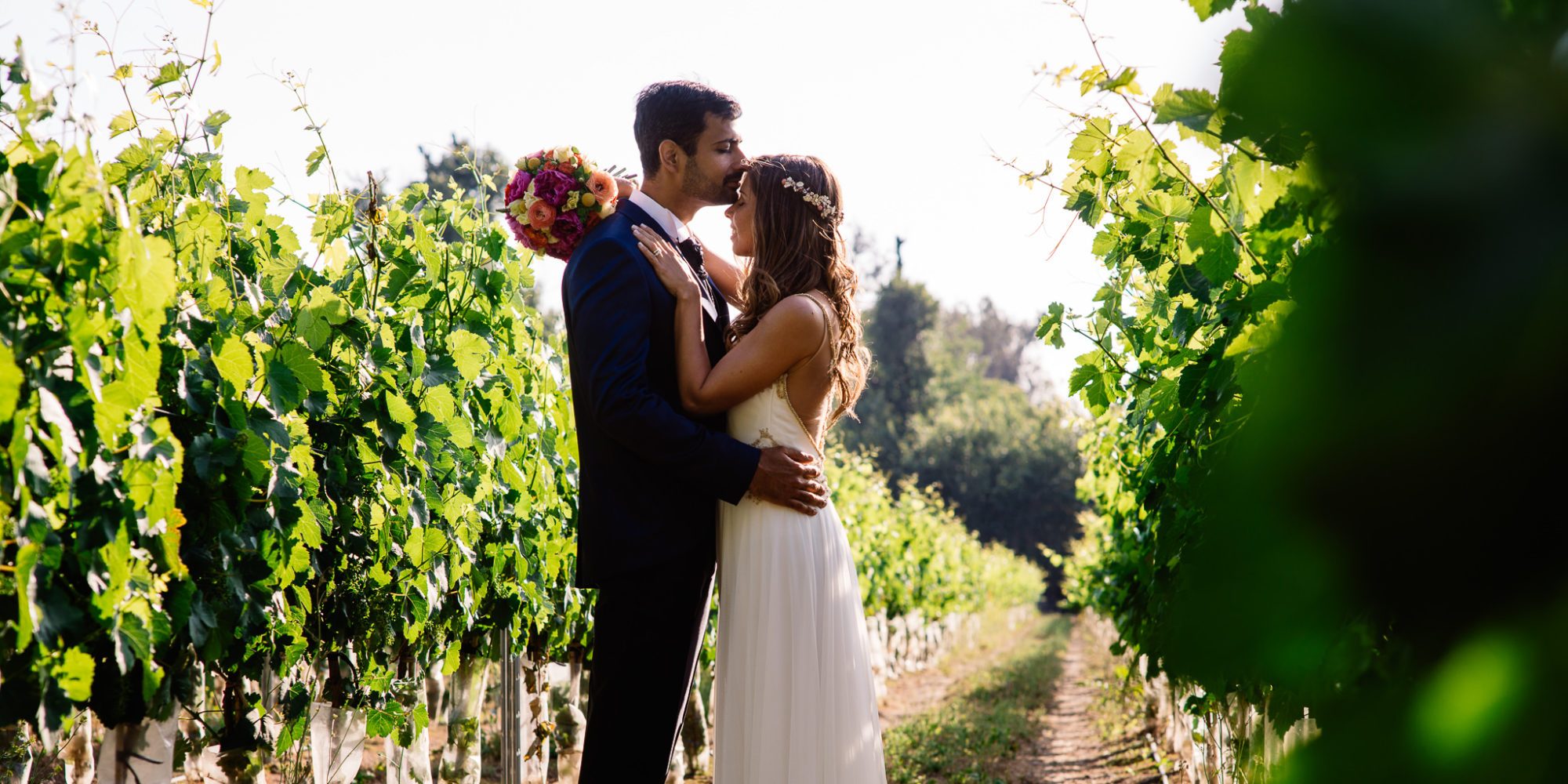
I spend most of my time as an environmental portrait photographer for different magazines and organizations in the state and nation. I’m infatuated with light! Not the type of light that seems to be coming from an omni-source, but rather that tangible light that brings us in to an image and sculpts the story within. I have no intentions of being over the top with my light, but I do want to use it to highlight those individuals I shoot in an impactful manner!
Before I started shooting as a living, I would never have thought I would be photographing people 75% of the time, but I love it, especially when it’s my job to put a whole story together in one shot. The other part of the time, I’m usually shooting natural history work and travel documentary pieces (the latter more for my site and future projects).

© Jerod Foster | www.jerodfoster.com
2. How and where did you get your vision for it, and what are your dreams?
I grew up in a small ranching town. Everybody knew everyone, and most people knew everything about you. I’m not a prying person, but I’m curious, and that’s what keeps me photographing. That need for knowledge about what people do and why they do it is the foundation for much of my portrait work. Starting out as a writer, it was my job to textually tell an individual’s story. The camera gives me a tool to visually do the same.
This is a unique time in my career, and several opportunities are opening themselves to me and other colleagues. My interest in photographing WHO people are is rooted deeply in Americana, but I feel it pulling me toward other, more humanitarian interests as well. To this extent, I have started making plans to do temporary work as a photographer and photography teacher in northern India. The short-term always leads to the long-term, and the opportunist in me tells me to take it all in.
Ultimately, like many of those interviewed on this site before me, the goal is not inward, but rather to help those stories that need to be told get out! Photographers that get in to this line of work worry less and less about anything related to the technology and more and more about what they’re saying with it. Karl Grobl is a perfect example of this, as well as a shining example of what a cultural/people photographer aspires to do with his/her work!

© Jerod Foster | www.jerodfoster.com
3. What are the biggest challenges in your photography business?
Technically, photography is achievable, but it’s taking the technical part of the craft and creating a personal technique and distinguishable vision that is often the most difficult. Most of the time, this vision isn’t even wrapped up in the technical details of an image, it’s in the purpose and delivery. The most challenging part of the business that I’m in is differentiating myself from others, both technically and in vision. I’m a lighter, and there’s a lot of people using lights out there! Hopefully, I’m just using them as a tool to achieve my vision, not just to use the technology.
4. How do you normally approach people for your photography? Is story-telling important in your photography? How is your approach to subject-story?
When I’m on an assignment, the best part about my job is that I get to ask a lot of the questions the writer doesn’t get a chance to in order to get the know the subject, or even better, find out information about the subject that is both positive to the photographic experience and to the story. All this information contributes to the story-telling, and the more information I have, the more equipped I am to make a successful image.
For non-assigned work, the experience is even better, especially if you’re truly interested in telling the subject’s story. Most folks are willing to allow some shots as long as you’re polite and genuine with them. Sometimes you see the shot develop during or after a conversation, sometimes you envision the shot, and then engage with the subject. Regardless, a humble approach to the individuals, no matter what culture, is the best way to work WITH the people you photograph. Knowing that photography is a mutual exchange between the shooter and the subject is the best perspective to enter in to that interaction. I learned this from Richard Avedon.

© Jerod Foster | www.jerodfoster.com
5. How much do you travel every year? How do you manage your family time?
Unlike many of the guests that have appeared on this blog series, I do the bulk of my work in the U.S., and primarily in Texas. This may sound cliché, but it’s a real big state! All in all, I spend about two to three months on the road a year. Fortunately, the state offers quite a few distinguishable environments, from mountains to desert, to forests and coasts. The people are equally as interesting. I spend a good amount of time on the Mexico-Texas border as well, and I have spent a fair amount of time in the Mexican states of Coahuila and Chihuahua. If you want to meet some interesting and gracious folks, come down to the Texas Big Bend!
Fortunately, I’m lucky enough to be married to a very understanding, very encouraging person, and although we don’t have children yet, we work together to devote as much time to family as possible. It’s difficult to be there all the time, on both our ends, but when we’re there, we’re actually there.

© Jerod Foster | www.jerodfoster.com

© Jerod Foster | www.jerodfoster.com
6. Who’s been an inspiration for your photography?
Like all photographers, I have several individuals that have helped shape my work and what I envision and plan to do in the future. My good friend and mentor, Wyman Meinzer, initially spurred my interest in photographing for a living, and from a very practical perspective, he’s taught me how to work hard in the industry, as well as how to keep my head on straight and feet on the ground in a very challenging and competitive environment. At the same time, he’s showed me how to be passionate about the subject matter. His love for the land and people that inhabit Texas is the perfect analogy for success I see in other photographers more focused on vision and storytelling.
Another photographer whose work I completely adore is Arnold Newman’s, and his classic portfolio is why I shoot many environmental portraits. His use of context, lighting and character in storytelling is unmatched and completely accessible by photographers and consumers alike. There’s no second guessing his work, he wants you to know who it is he photographs, and in one shot, know what their life says to others!
The down-to-earth, appreciative and passion influences I get from Wyman and the beauty in light and character I see in Newman’s work is ultimately what drives me to shoot the way I do. My desire to photograph life as it is, now Americana, tomorrow, who knows what, is the result of working alongside one of these photographers and admiring the work of one I’ll never have a chance to meet.
How do you stay inspired?
I don’t believe you can stay inspired by only looking at more photography, although to some extent, I do stay energized by looking at a massive amount of others’ images. No matter if you’re a humanitarian, travel, cultural, or portrait photographer, life goes on around you in a way that influences and excites your creativity. My immediate source of inspiration are the stories I hear people tell, whether they are those I’m told while on assignment, or those I hear while talking to a local farmer I meet in a diner. As many of the readers of this blog I know are sure of, these stories are all around us, we just have to get past the rectangle world we photographers live in and listen for and to them.
Do you read blogs? If so, which ones would you recommend?
I’m a big fan of blogs, especially those that come from working photographers that take the time out of their schedules to reach out to the photography industry and much more broad community. When it comes from these folks, especially for one that is scraping a living doing the same thing, it’s more relational and tangible.
Many of the blogs I follow right now are geared more toward the humanitarian/cultural photography part of the industry, such as David duChemin’s PixelatedImage and Matt Brandon’s The Digital Trekker, as well as Gavin Gough’s blog and Amy Vitale’s site. There are a ton of great resources out there for those a bit more interested in the industry and having aspirations of pursuing this line of work as a career, including this blog, it’s just a point of diving in to what the world has to offer online.

© Jerod Foster | www.jerodfoster.com
7. What are the characteristic that a good photographer in your field needs to have?
I tell my students all the time that versatility is a nice characteristic to have handy. This applies to how we interact with our subject matter, our technique and creativity, and our clients. Versatility allows a photographer to be able to find those defining elements about those whose stories we are trying to tell.
I’ve also noticed that many successful photographers in this area are veracious learners, and this high need for knowledge drives their ability to operate as a photographer and storyteller to a much higher level. Learn the craft and learn the subject, each and every one of them!
8. Is social media/Internet important in promoting your work? How much time daily do you invest in it?
I unabashedly state that Twitter was made for photographers! In all seriousness, though, the Internet and social media in particular has obviously changed the game for photographers in some sense, and instead of moping about how much it takes away from those yet to embrace it, it’s exciting to see the community created around certain photography topics and photographers themselves. We’re now able to easily communicate with others around the world about ideas and progress, and as a result, we’re seeing the industry take a huge leap forward, in both quality and mission.
Had it not been for Twitter, Heber and I would have taken much longer to find each others’ work, as well as many other opportunities. There are a number of new relationships I’ve formed with other photographers, publishers, editors, and others on Twitter or Facebook that I’m excited to see develop in the near future. Photographer Web sites and blogs are crucial, and each year I would say that 20% of my work is generated from visitors to my site. That may not sound like that much, but with other marketing and promotion efforts ongoing, I’d say it’s pulling it’s own weight!
It’s important to keep a fair distance away from time on the Internet as well. Nowadays, we’re always connected, and it takes effort in to providing useful content to viewers and potential clients, but it takes just as much effort to make sure you’re producing quality content regularly as a photographer. That’s why, as a working photographer, I respect and follow those image makers that can successfully do both. Hats off to you guys! Personally, there are times when I know I leave my blog and Twitter accounts dry due to work, but I’m also not trying to post every day or hour just for the sake of shooting a ton of links out there. I’m more interested in providing quality information or images and edifying those meaningful relationships I have with fans, followers, clients, and peers!

© Jerod Foster | www.jerodfoster.com
9. Tell us about the last piece of gear that you deemed important enough to buy.
It would be easy for me to say the Elinchrom Quadra lighting system (love this system and the applicability it has in my work), but the last piece of gear I deemed necessary was the Zoom H4n audio recorder. All my talk about vision, which is the most important in my work, masks my interest in gear, and although I’m more simplistic than some, if I can justify a piece of gear that will help me obtain what I see in an image, I’m going to get it and USE it. The audio recorder is my latest addition, and it’s a nice tool to have in the case of a surprisingly cool adult soapbox car race while on the road, ha! But really, I’ve had so much fun with it as an addition to my stills and my foray into HD video work. The sound is amazing, and I’ve spent a lot of time in a recording studio! I always have it with my cameras, just in case my storytelling needs to go one more sense deeper!

© Jerod Foster | www.jerodfoster.com

© Jerod Foster | www.jerodfoster.com
10. What would be your advice for a photographer who is just starting out in this field? What is the biggest obstacle you see facing new photographers who want to work on this type of photography?
This is where I don’t want to sound too prescriptive, but the one piece of advice I feel like I have any right to give is to not start out thinking about photography with blinders on (you know, those things they put on the sides of horses eyes to steer them straight). The worst thing I’ve ever seen one of my students do is go in to a potential career without acknowledging the industry as a whole. I mentioned earlier when I started all I wanted to shoot was landscapes. Then I started photographing individuals with unique stories and talents, and I quickly found my path in the industry. I still do a lot of travel/landscape photography, but I’m more involved with my portraiture and those people that I have the great opportunity to photograph!
The biggest obstacle may very well be the abundance of photographers out there wanting to do exactly the same thing you are doing for a living. This is good for the quality of the industry, but it’s not the most attractive facet of it either. Set yourself apart. Learn and make mistakes in order to get to a comfortable place that you can make more mistakes in; then you can start over, only on a different level…a better level.
Social Media

© Jerod Foster | www.jerodfoster.com
This entry was posted on Friday, July 23rd, 2010 at 11:16. It is filed under 10.Q Interviews and tagged with 10.Q Interviews, Lighting, North America, Portraiture.
You can follow any responses to this entry through the RSS 2.0 feed.
[...] This post was mentioned on Twitter by West Texas News, Booom. Booom said: 10.Q Interviews: Jerod Foster – Travel & Environmental Portrait Photographer: ©10.Q Interviews | Jerod… http://bit.ly/afhyab #Photography [...]
Great, insightful 10.Q. Excellent photographs Jerod.
Good thoughts here, Jerod. I’m inspired.
I’m also thinking about the Zoom H4n audio recorder. I need a better device.