
10.Q Interviews: Sephi Bergerson – Documentary Photographer

© 10.Q Interviews | Sephi Bergerson
Welcome to 10.Q Interviews.This section usually features interviews to Humanitarian, Cultural & Travel Photographers, their work and photography.
This week in 10.Q Interviews, Sephi Bergerson:
“After more than 10 years as an advertising and commercial photographer, it became clear to me that something has to change. I wanted to travel but it was obvious that I didn’t want to leave advertising all together. I knew I’d miss the fun of working with a creative team and the excitement of working on a campaign.
However, as the advertising world is a lot about planning, strategy, markets, budgets, commercial approach, and indeed sometime a lot of fun, it cannot work without a constant stream of new ideas and outside influence in order to stay alive. What I needed was a new approach to my work. This is why I moved to India.” [More about Sephi...]

© Sephi Bergerson | www.sephi.com
1. Tell us about you and your photography. How long have you been shooting? What kinds of shooting have you done?
I am often asked what ‘kind’ of a photographer I am. A photojournalist? a commercial photographer? a food photographer? am I a wedding photographer? travel? lifestyle? what is it exactly that you do? This might not be a smart marketing strategy, but i have always refused to get into any of these boxes. I am a photographer. this is what I do.
My late mother used to say in Yiddish; “A sach meluches, a kleine bruches”, which would roughly translate to “you cant get any blessings in your work if you are not focused”. In other words, if you sell sardines than don’t be selling tissue paper. let your clients know what you sell and come to you for that. Be an expert. You must be asking yourself why am I saying this here? well, because I am not one of those photographers who do one thing, and I often think of what my mother had said. It would be very simple if I decided to be a food photographer, or a travel, or wedding photographer, but I can’t. I love photography and I love doing different things all the time.
I’ve been holding a camera since I was 17 years old and started shooting birds as a teenage birdwatcher. It has been almost thirty years since then and I have probably covered almost any subject under the sun, from commercial studio work, still life, fashion, food, travel and photojournalism, to fine art. I have worked with large format and medium format, as well as with toy plastic cameras. I work on a personal project at all times and the assignments are there to pay for my life. I bring myself to the assignment. This is my USP and this is how I stay in love with my work.

© Sephi Bergerson | www.sephi.com
2. How and where did you get your vision for it, and what are your dreams?
I never met my grandfather. He was a photographer in Poland before the war and perished with the rest of my family. My mother and her brother were the only survivors of the entire family and I’ve heard stories about the daylight studio my mother grew up in, and the life of a somewhat ‘bohemian family’ in a small village. I guess some things do pass on in the genes.
Dreams are a completely different story. I was afraid of trying to peruse my dreams when I was younger. During my studies in Jerusalem I wanted to go to Italy and become a fashion photographer. Maybe I was afraid of failure as I obviously never did that. This is not who I am now. Twenty years later, dreams are the force that drives me forward and I try to fulfill mine in this life time. I was an advertising and commercial photographer in Tel Aviv for many years but after more than 10 years it became clear to me that something has to change. I wanted to travel and be a documentary photographer. This is why I moved to India in early 2002, and I’m still here. This was the best decision I made in my entire life.

© Sephi Bergerson | www.sephi.com
3. What are the biggest challenges in your photography business?
Not to fall asleep on my watch. Not to be stuck doing what I do for a long time just because it is safe and money is easy. The business is the biggest challenge as it has a potential to drain out all creativity. Many working photographers will tell you that taking pictures constitutes maybe 20% of their time. The rest is taking care of the business. I have a family that I need to take care of and of course some compromise is a part of life as a family man, but I try to minimize those as much as possible.
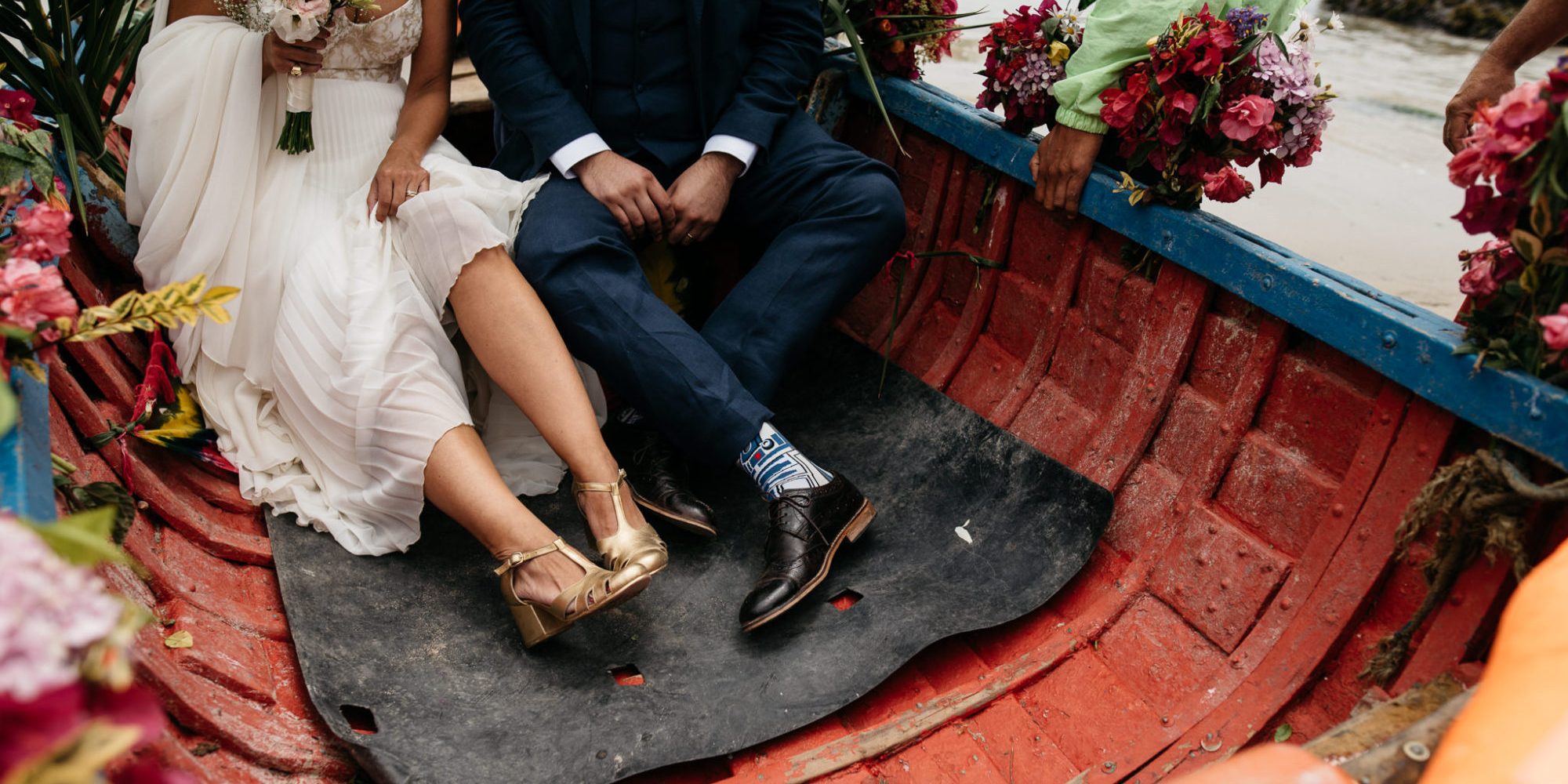
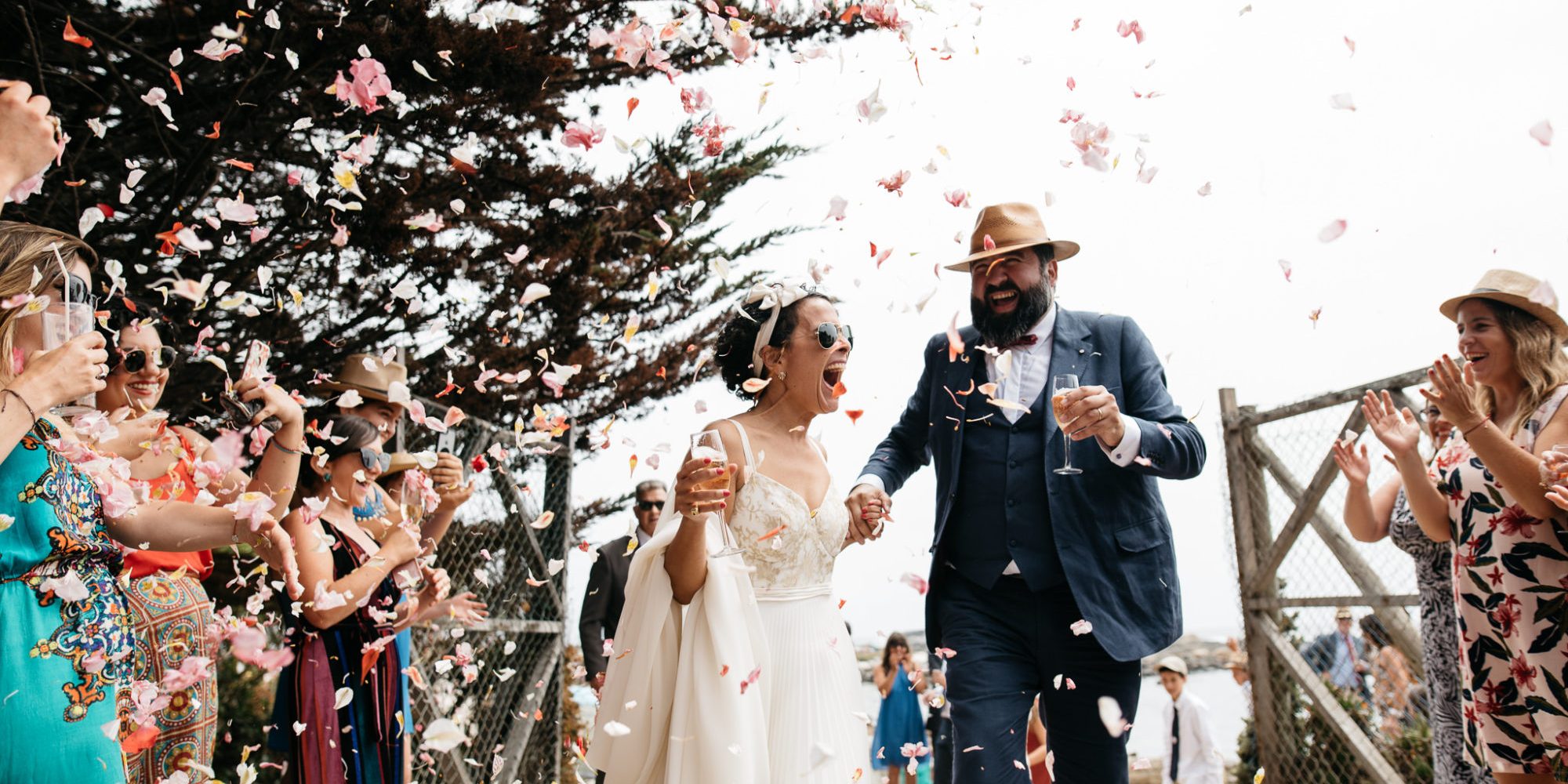
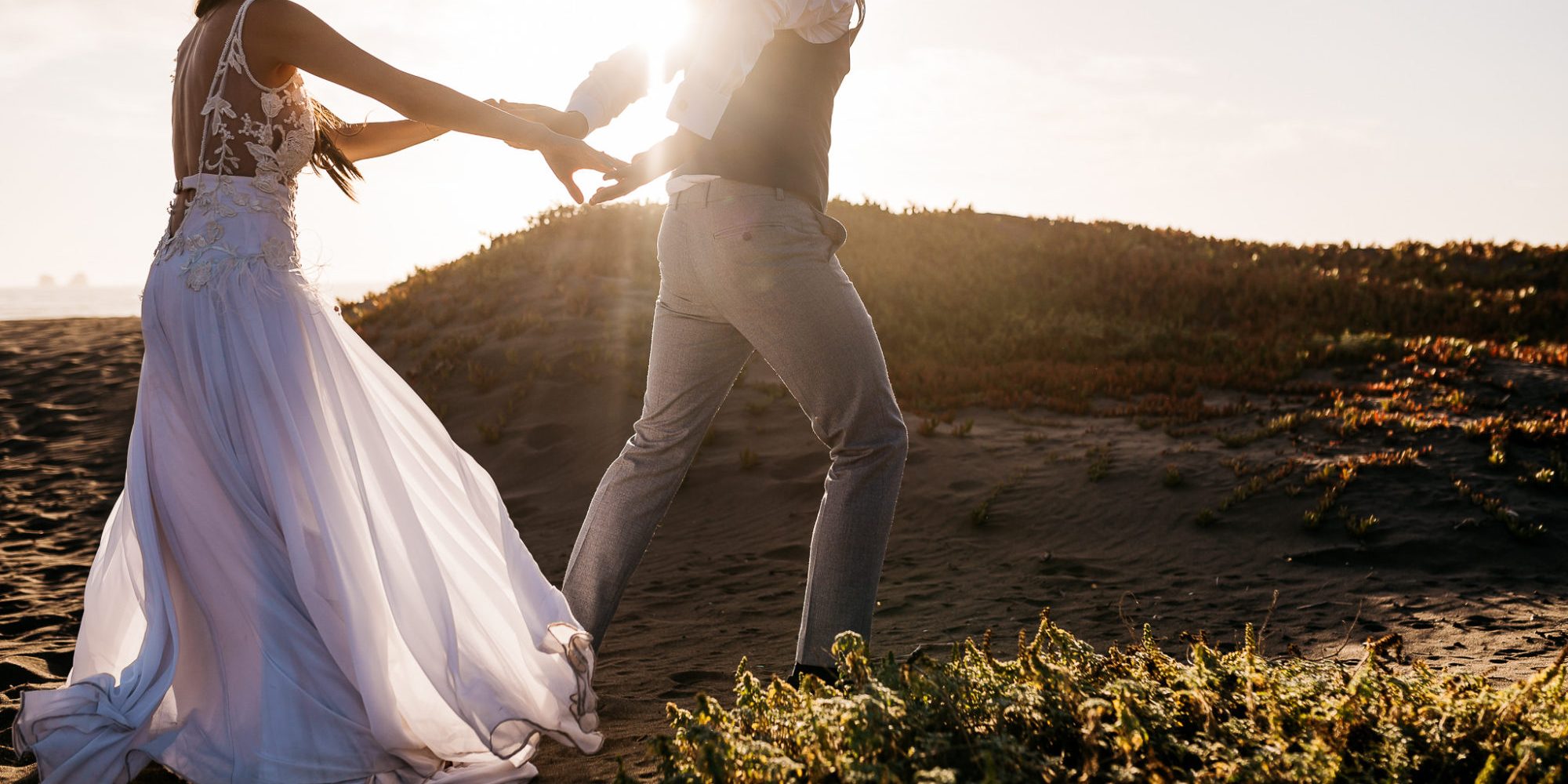
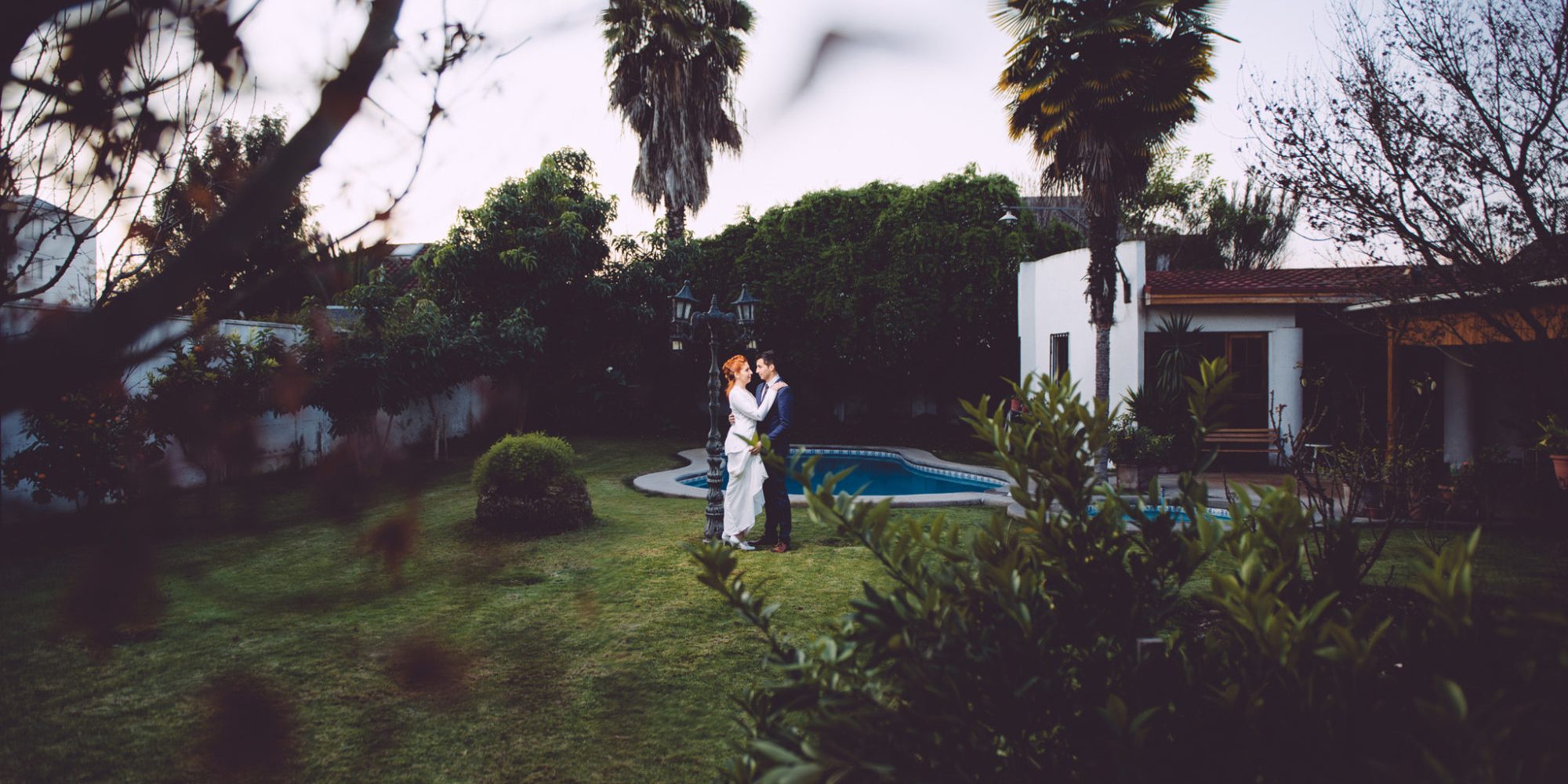
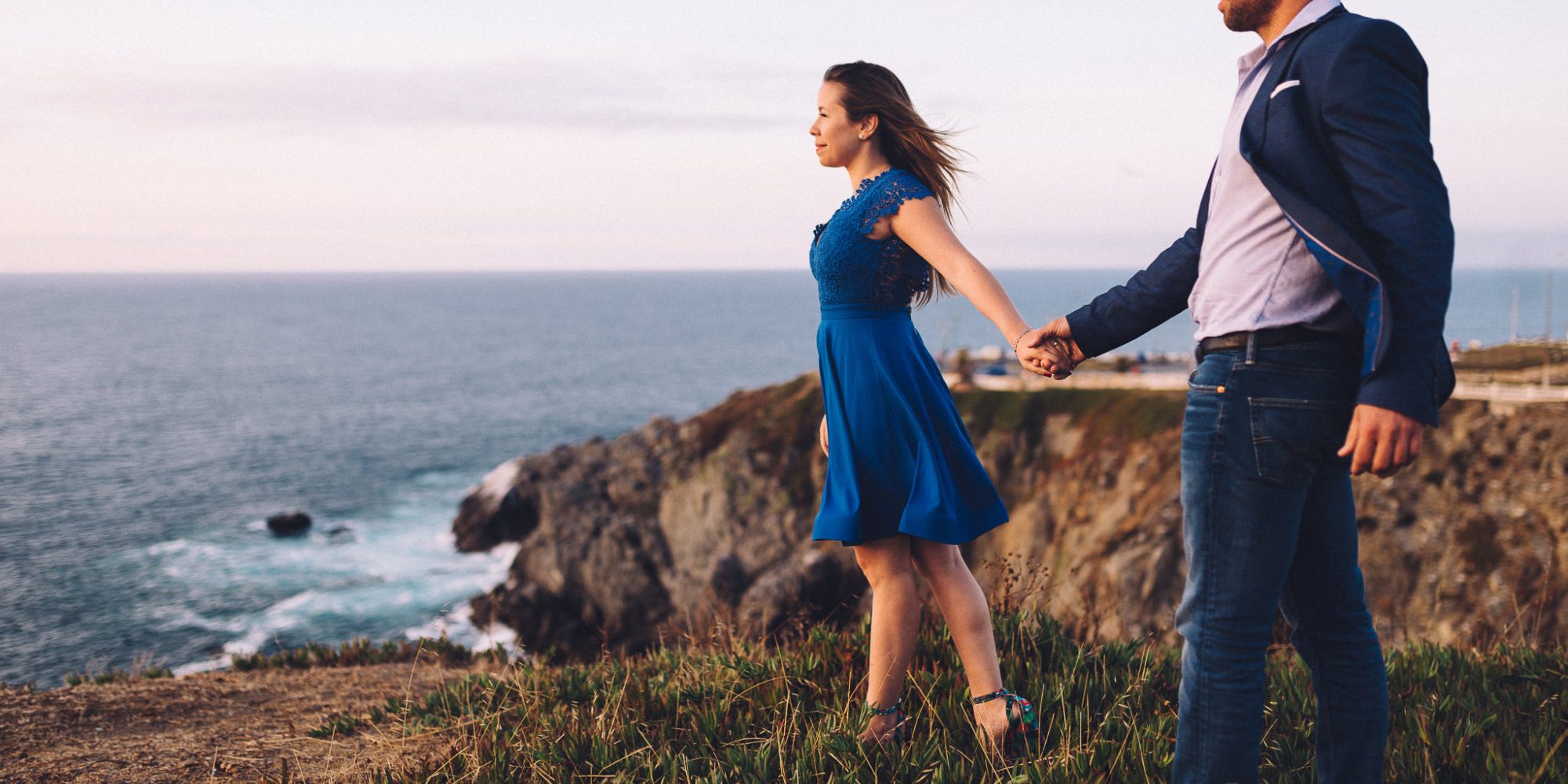
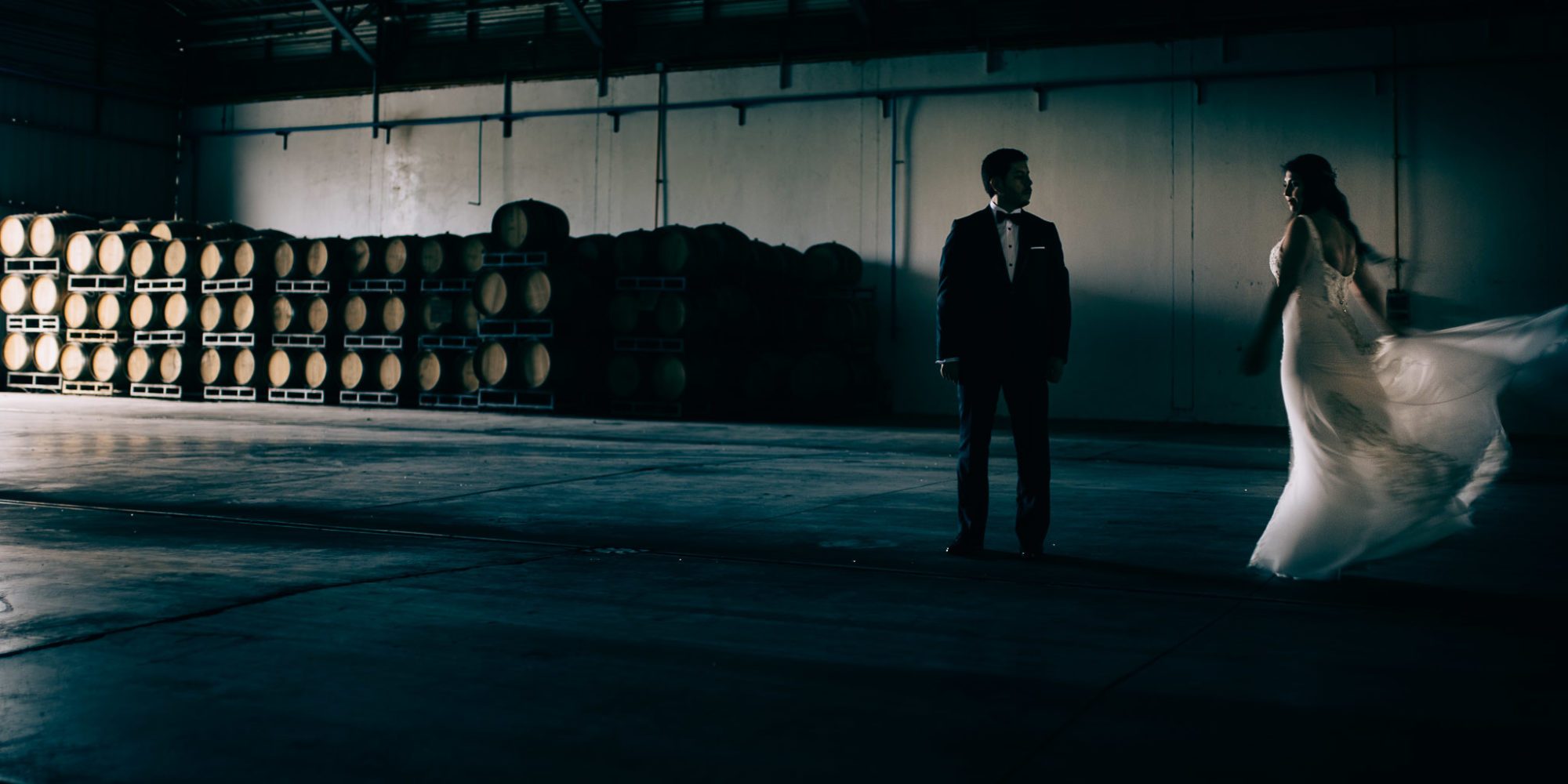
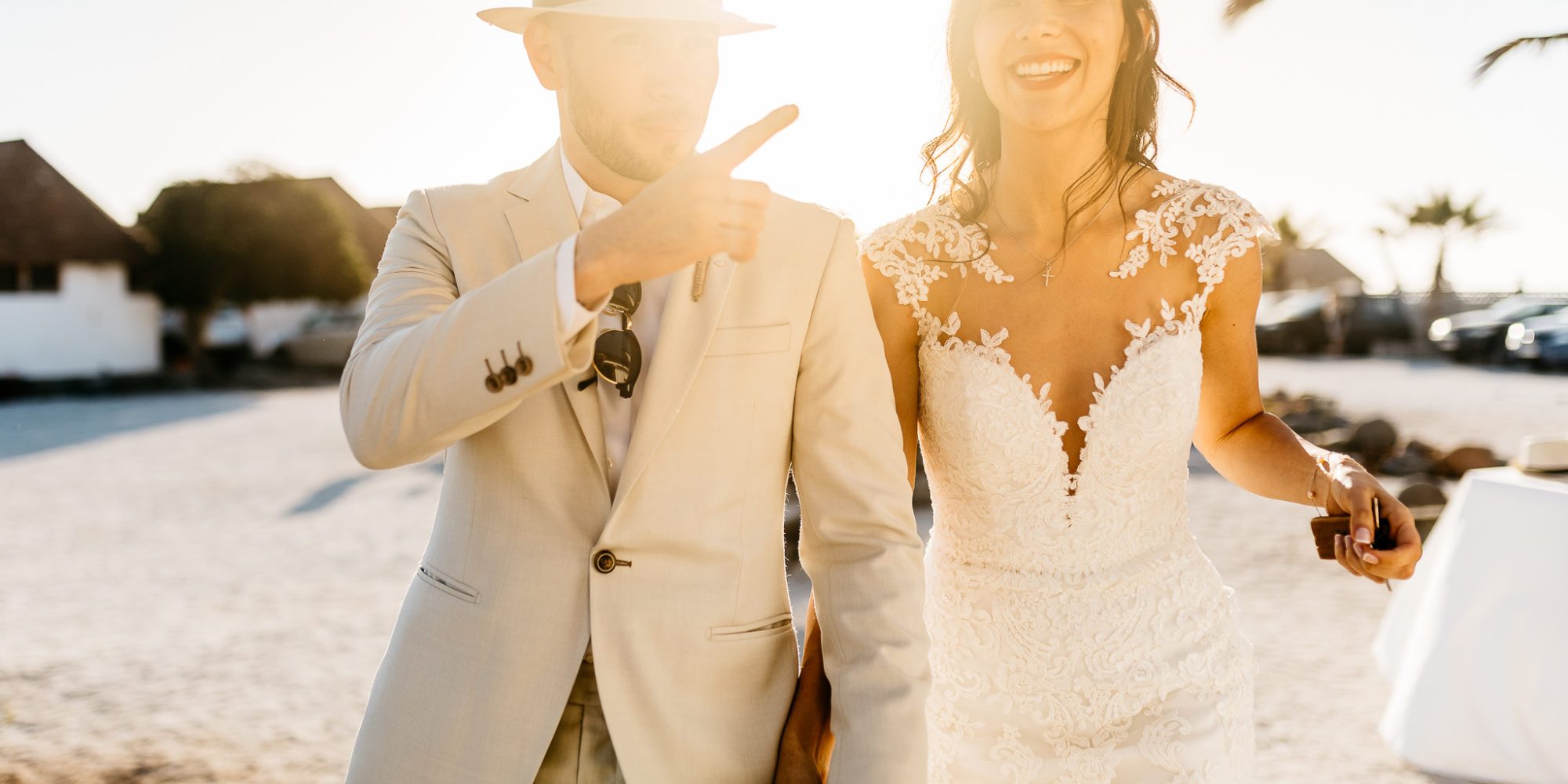
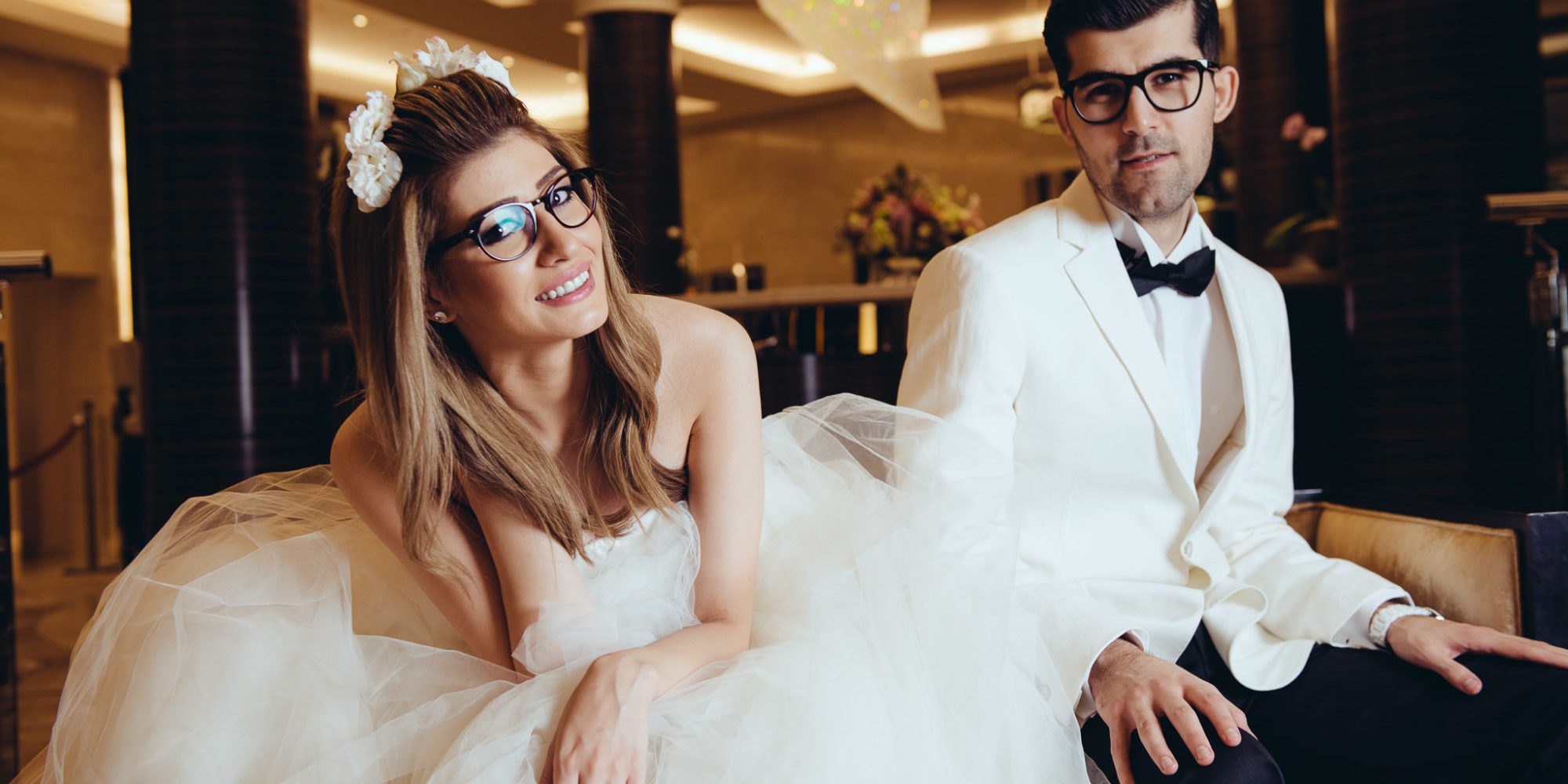
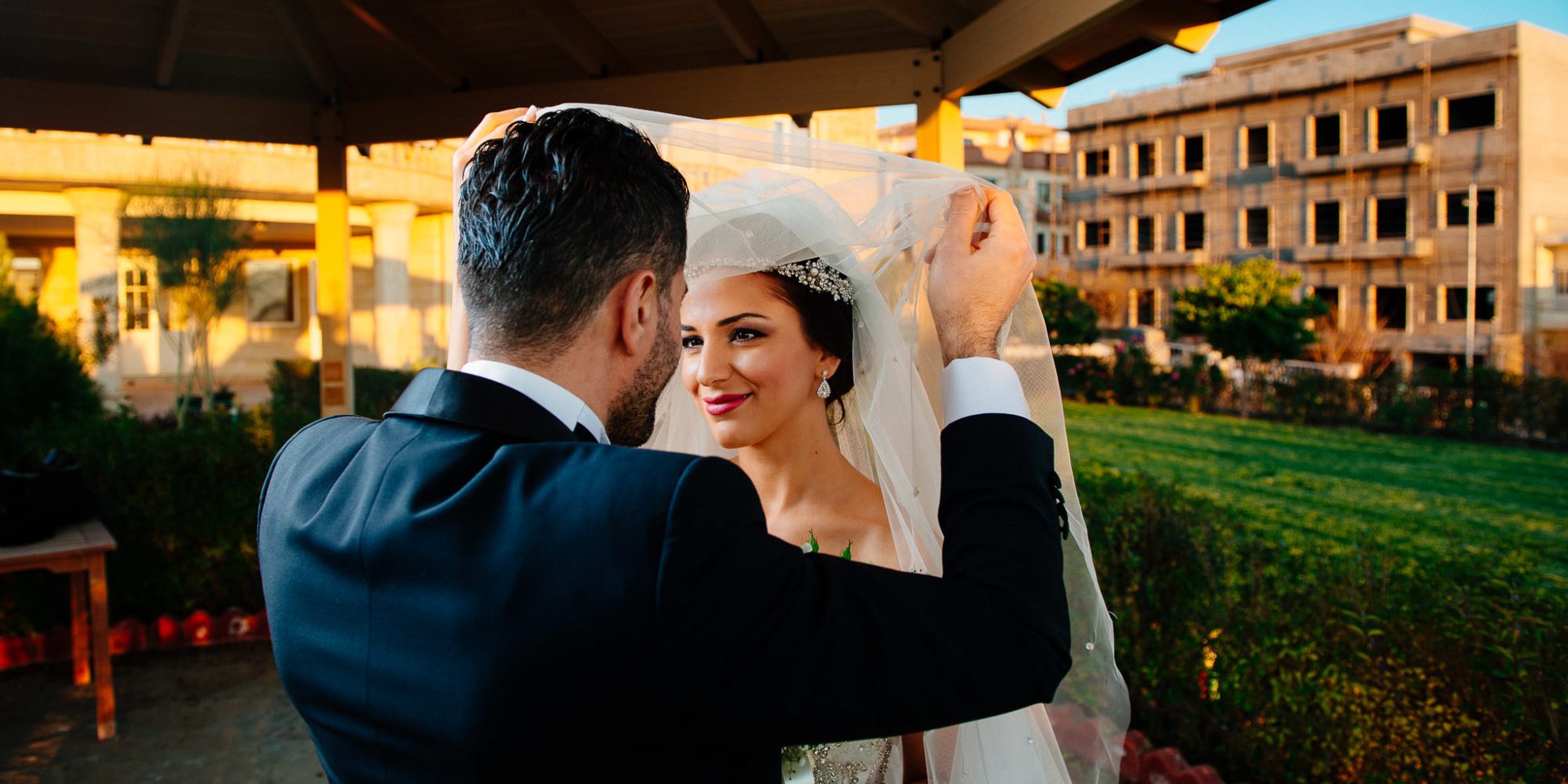
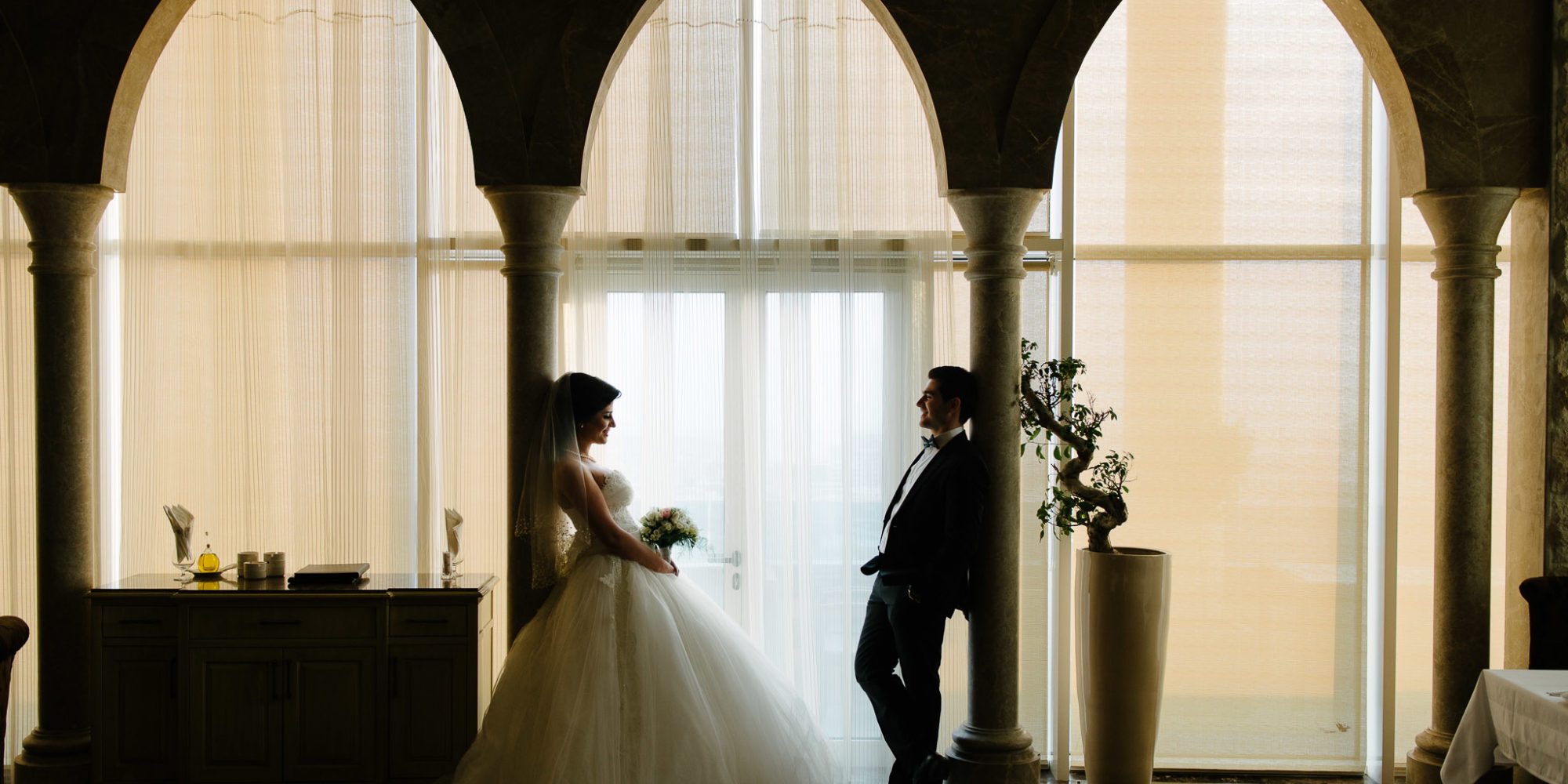
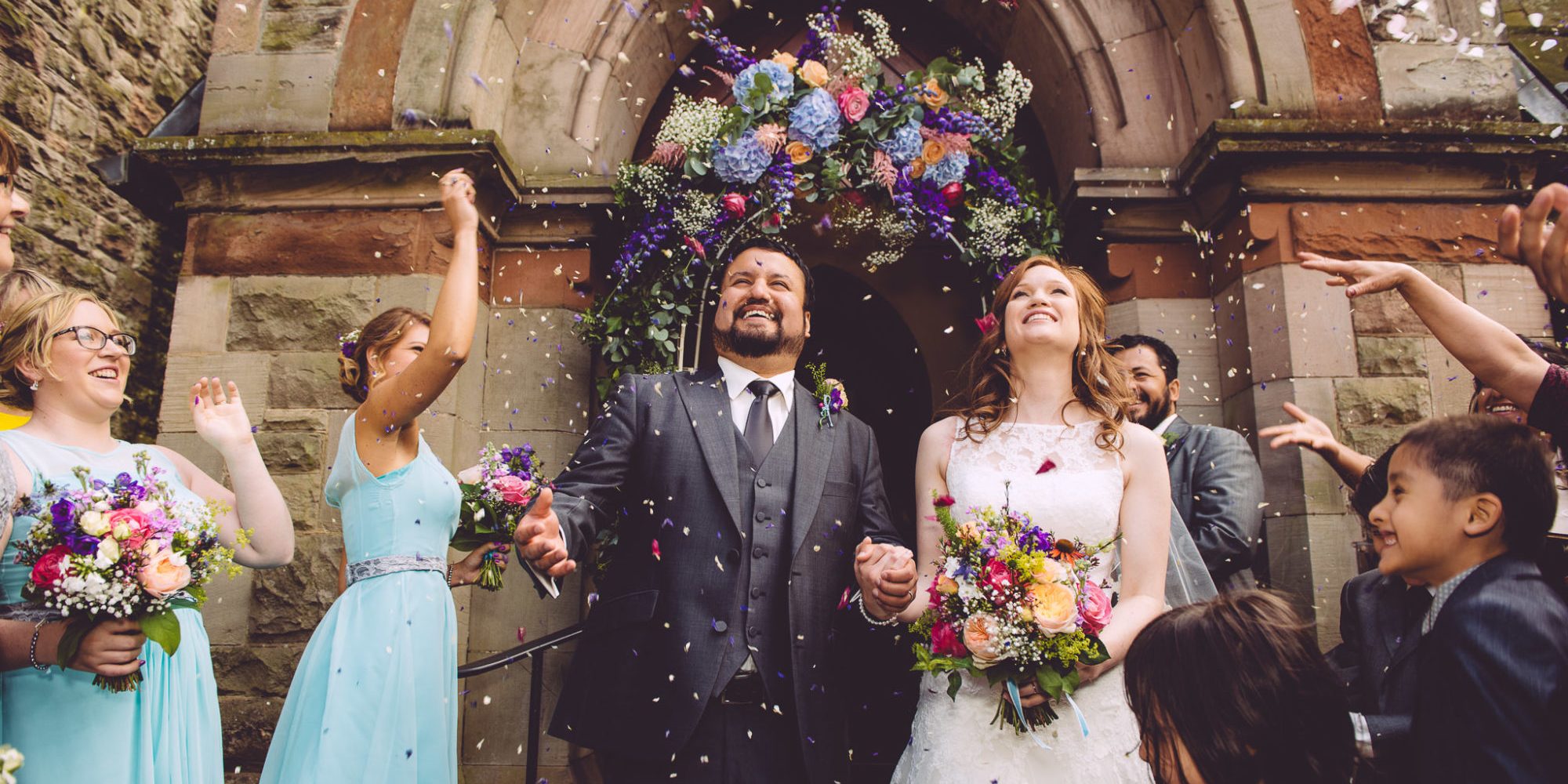
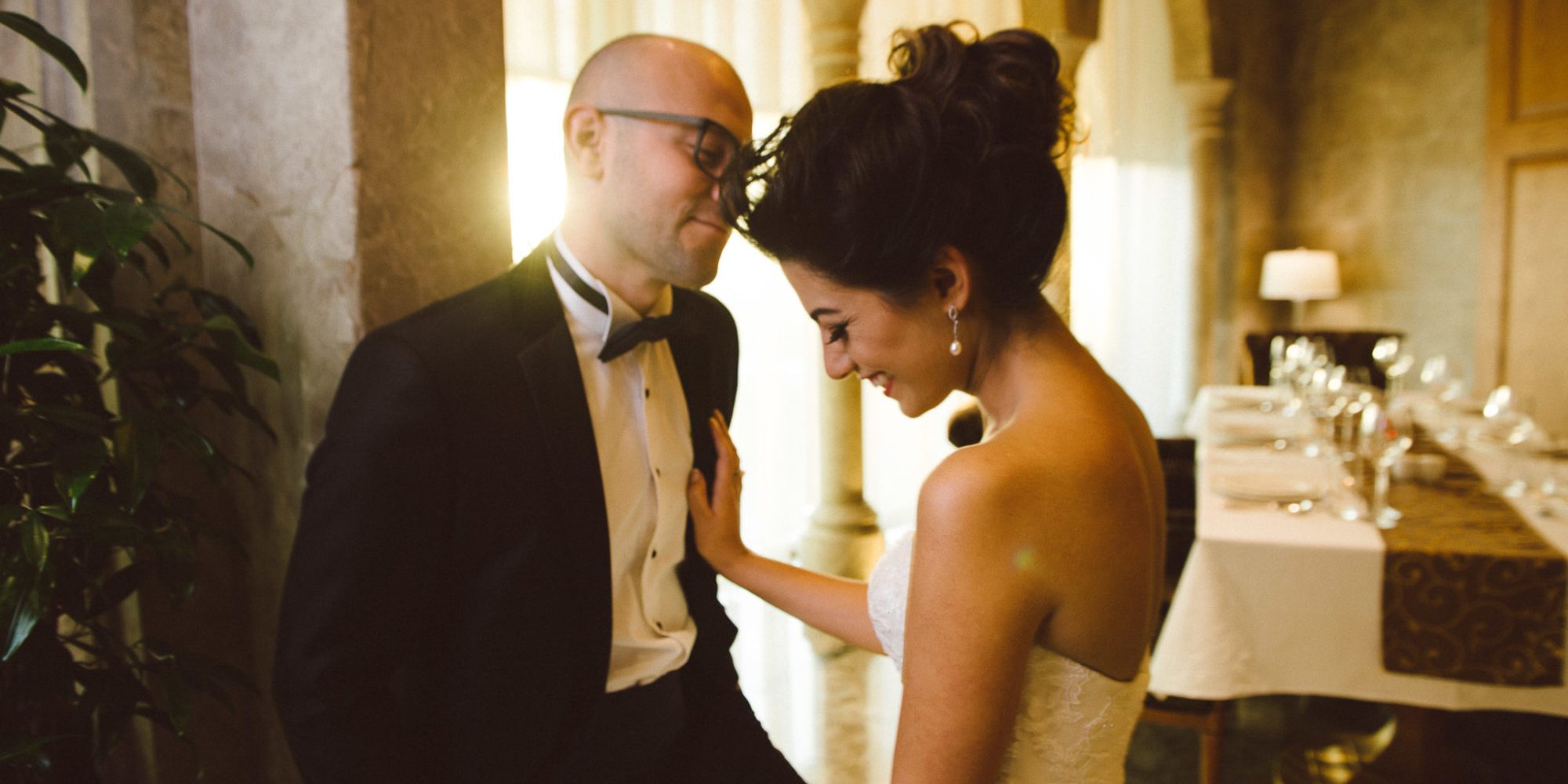
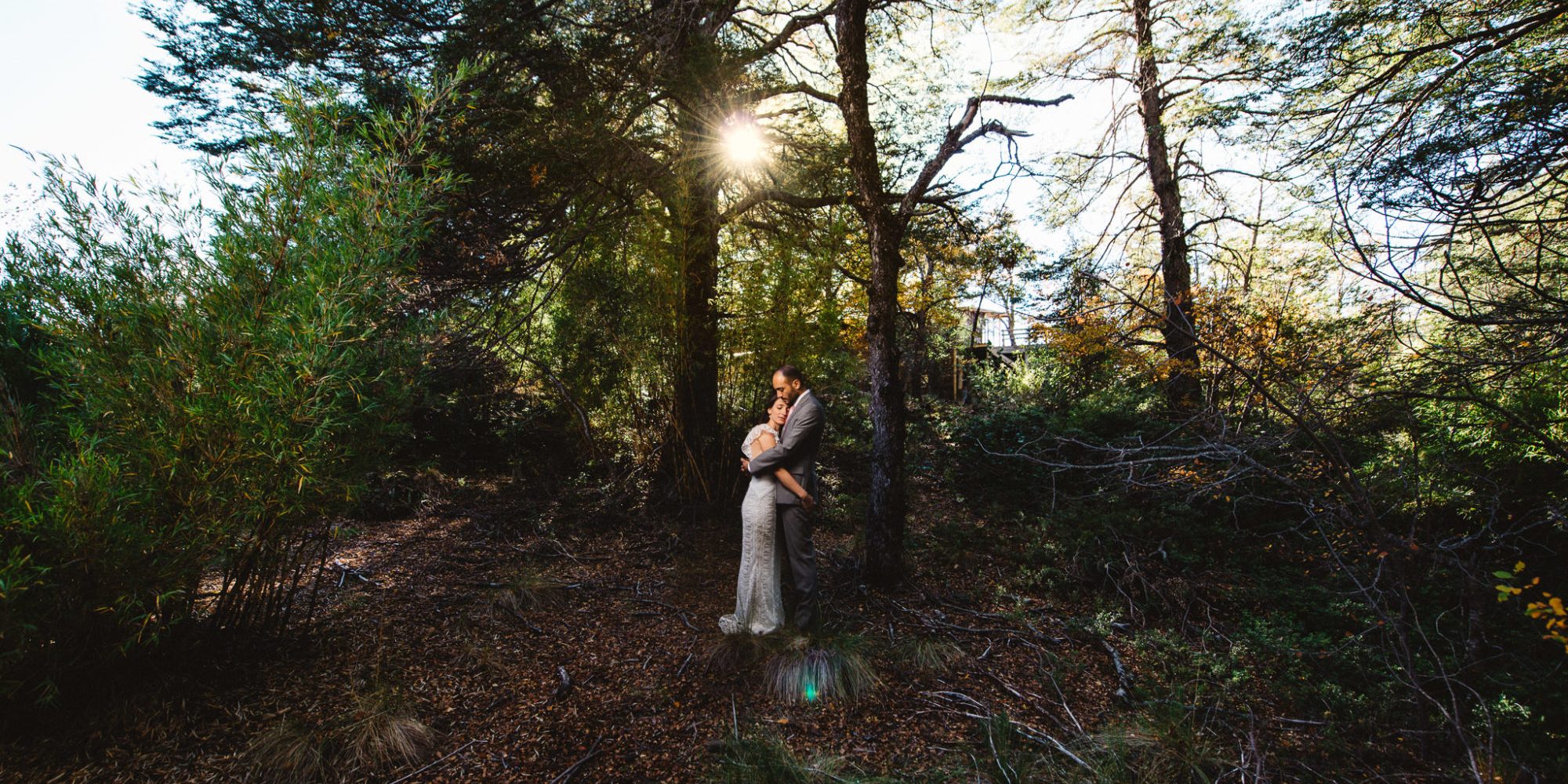
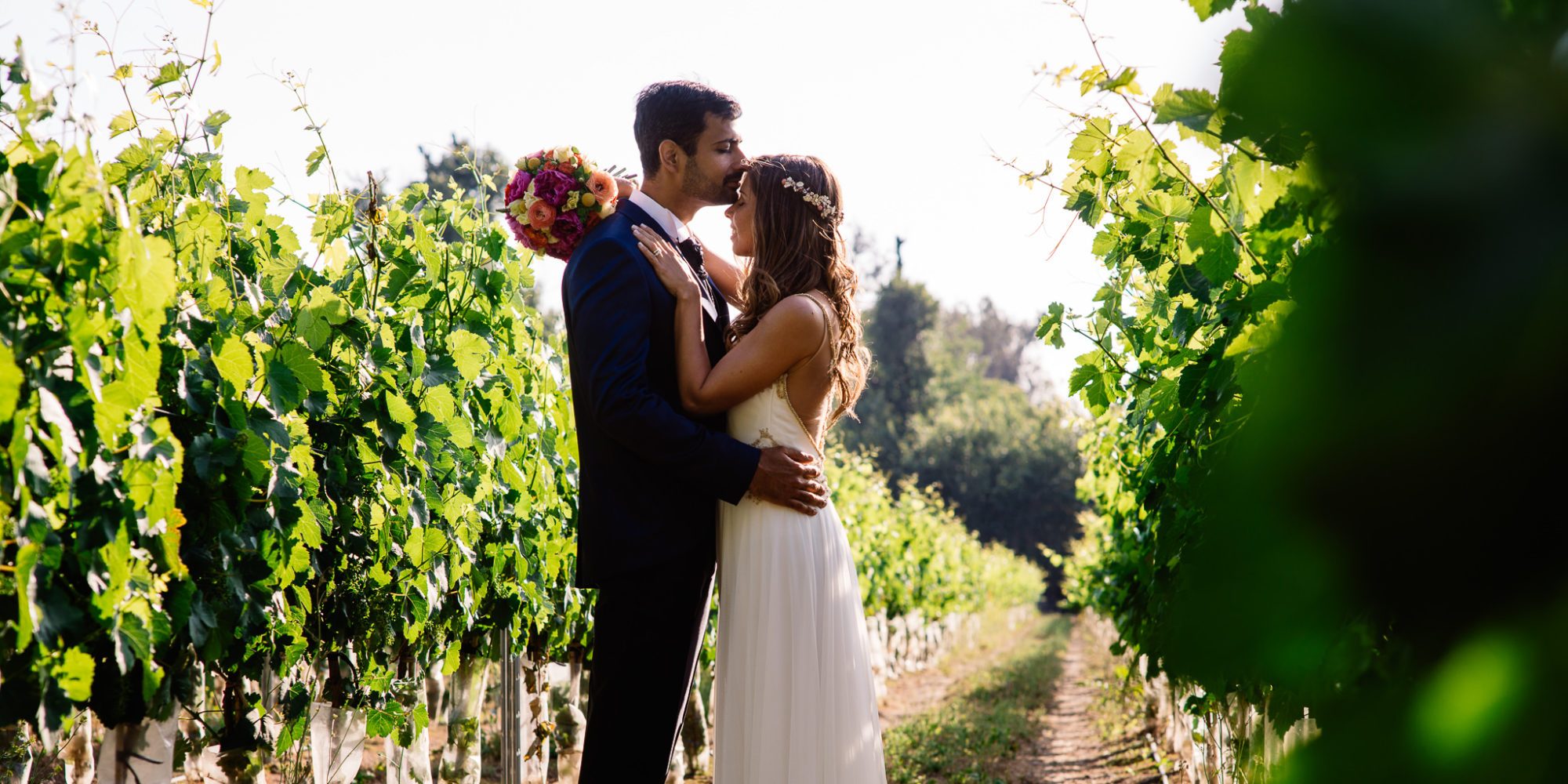
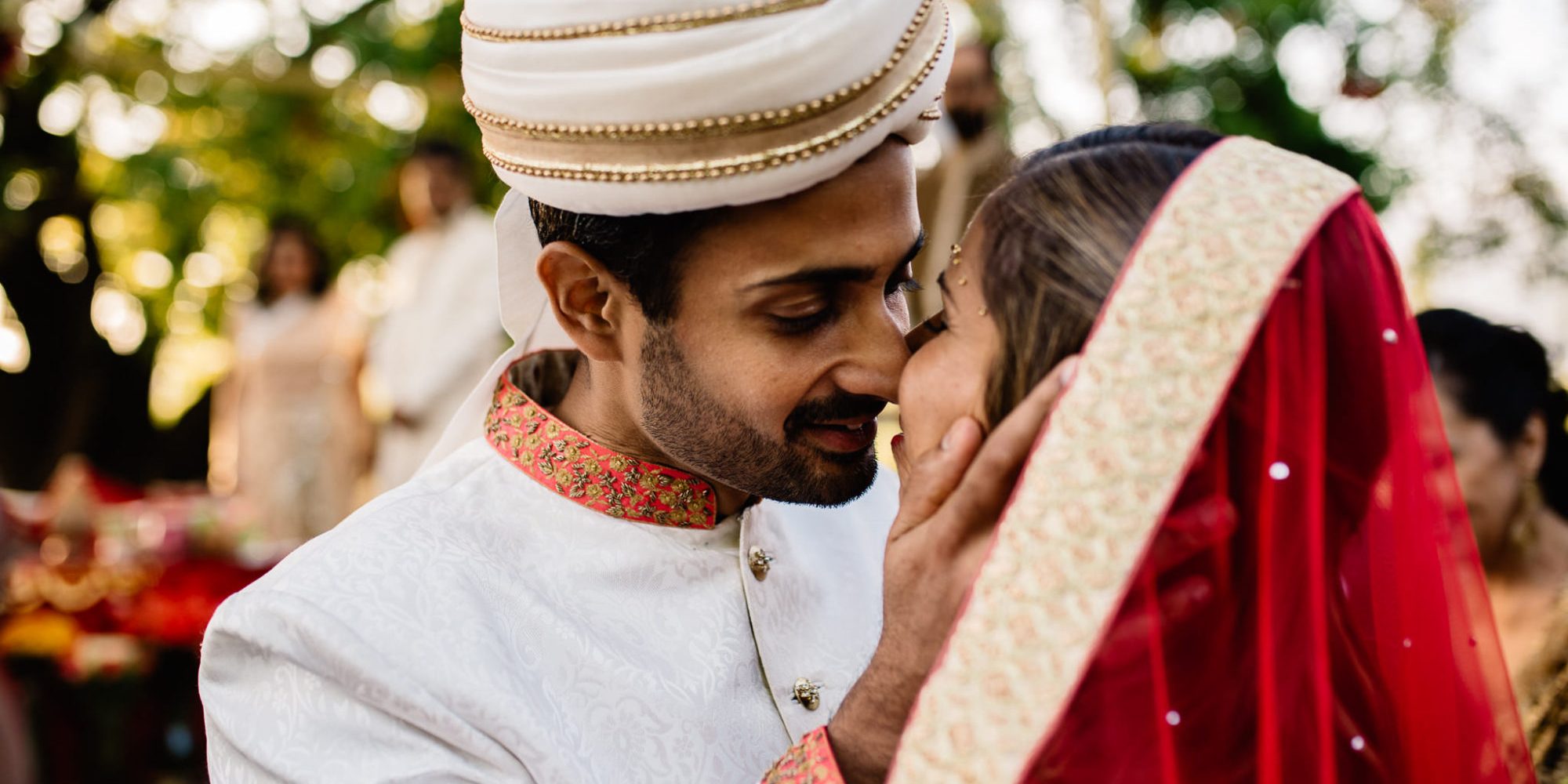
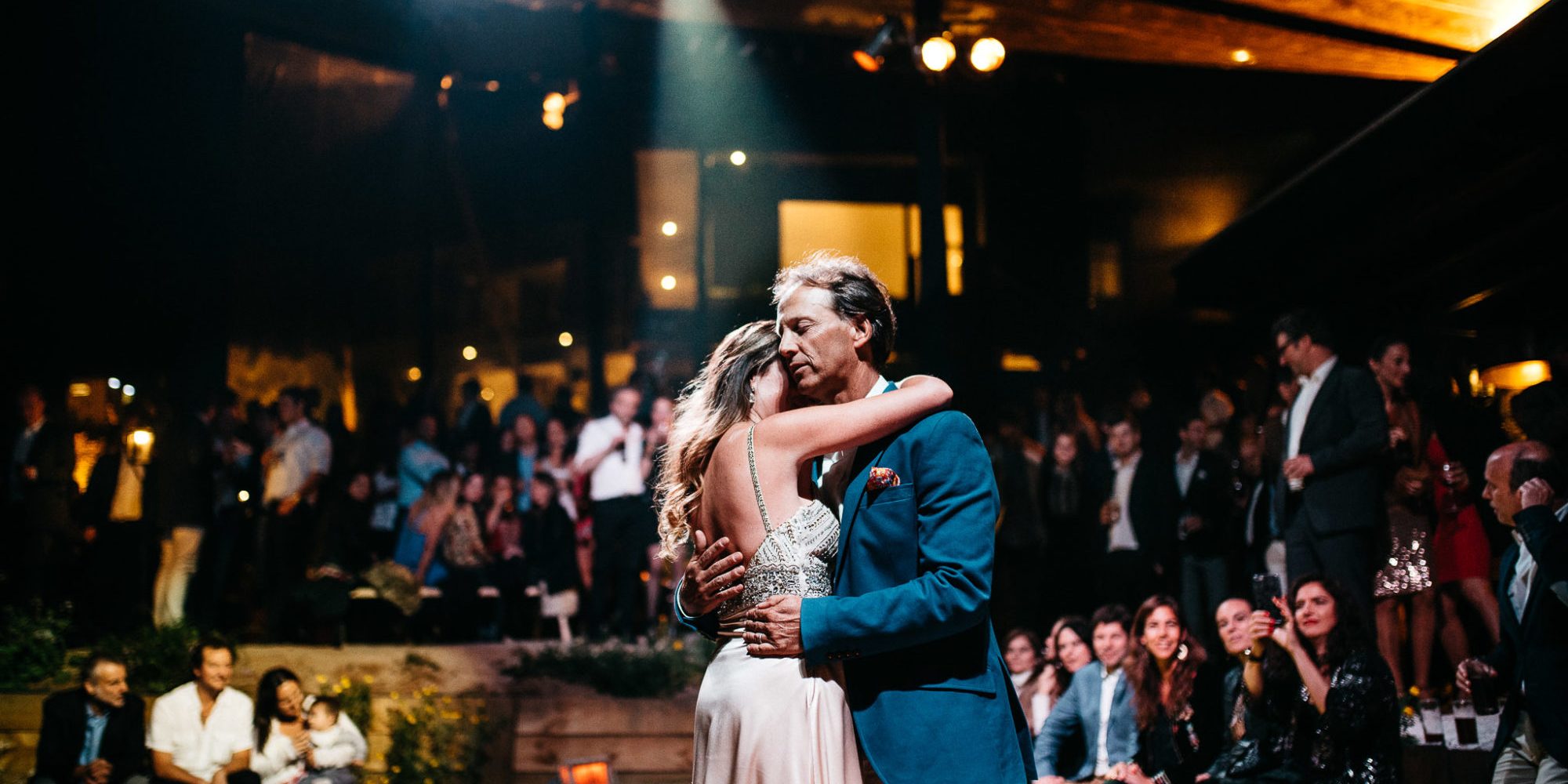
I started shooting weddings a couple of years ago when the recession started, and this is a very good source of secure income. The pay is much higher than of a documentary photographer and I am glad to be doing very well in this field. I could have been sucked in completely but I limit myself to not more than ten weddings a year so that I do not loose myself into it and still have time for other things as well.

© Sephi Bergerson | www.sephi.com
4. How do you normally approach people for your photography? Is story-telling important in your photography? How is your approach to subject-story?
When I was studying photography we had a semester-long assignment to produce a photojournalistic/documentary series of 8-12 images. Every week our teacher helped us go over the contact sheets and focus on the subject and what we want to say. The biggest lesson was that we started the series with something in mind but very often the point of view and the statement changed as we spent more time on the story. I try to remember this assignment every time I go out to shoot. I always have an opinion on the story from previous exposure, but it is always best to let the story unfold on its own and hopefully surprise you.
On the other hand, as much as we try to be objective, our photographs will show our own perspective. This is something that is impossible to avoid, and we should really not even try to avoid. I try to let the subject of my interest cary me into their own world. It is imperative to let people feel comfortable in your presence and I try to be a part of their life, even for a passing moment. On a longer story this kind of involvement is imperative, while many times when working on smaller assignments I simply shoot without asking permission so that not to lose the moment. Not everyone is happy about being photographed and it is in the eyes that the reassurance of maintaining their dignity is reflected. I try my best and I find that a smile and an eye contact are often the best ways to interact even over and above a language barrier.

© Sephi Bergerson | www.sephi.com

© Sephi Bergerson | www.sephi.com
5. How much do you travel every year? How do you manage your family time?
My family is the center of my world and I am grateful for having them with me. As much as I love being a family man, I do feel that if I was single there would be so many other opportunities open for me and I would have been able to travel for longer periods and produce more significant work. I sometimes envy other photographers who do not have this responsibility but I accept it and live with it. There are busy times and there are relaxed months. I generally try not to be away more than two weeks in a month but at times it is difficult.

© Sephi Bergerson | www.sephi.com
6. Who’s been an inspiration for your photography? How do you stay inspired? Do you read blogs? If so, which ones would you recommend?
Oh the list is endless. I’ve been influenced by many photographers over the years but I think we are mostly influenced by other artists who we actually meet in person. I wish I was as dedicated and focused as Sebastiao Salgado. He is a great photographer and a very impressive human being. I love Prabuddha DasGupta’s work, especially his recent book ‘Edge of Faith’. Raghubir Singh has been a hero of mine since before coming to India but I never actually met him. I am inspired by dedicated people.
For many years I used to sit at book stores and go through photography books. In the beginning I used to try and copy other people’s work and at one point this had changed and I started seeing my own reflection in my work. This is an illusive feeling but I try to find it again and again.
I do not study other people’s work anymore and try to draw inspiration from within. I meditate regularly, half an hour morning and evening, and find this the biggest source of inspiration. I try to be better at what I do and become a better person. It is a life long journey.
I read blogs naturally. It is a great source of information and opinion. Resolve (LiveBooks blog), A PhotoEditor, RAW File (WIRED), Conscientios and eyecurious.com are some.

© Sephi Bergerson | www.sephi.com
7. What are the characteristic that a good photographer in your field needs to have?
To mentions a few I would say social conscience, self dignity, a child’s curiosity and a burning passion.
I wrote a post about this subject. Being a photographer is about what you have inside your mind. It is the sum of all your life experiences and your point of view. It is where you’ve been, how much you cried, how much you’ve loved and been loved, how much you have experienced pain and how much you care. Photography is not about the ‘how’ but about the WHY. It is about the reason behind your images and not about the exposure or the focus.
Many photographers are more concerned with how to take pictures then with why they do it and what they want to say. A good picture is very simple to find but you must look for it inside first, and for this you need to experience life.

© Sephi Bergerson | www.sephi.com
8. Is social media/Internet important in promoting your work? How much time daily do you invest in it?
My life would not have been the same without internet! It makes it possible for me to live in India and keep getting assignments. We are planing to move to the Himalaya in April (2011) and this would only be possible as I need only an airport and an internet connection. Starting a blog and going deep into SEO had changed the way I work and have opened up new opportunities for me.
I enjoy Facebook and maintain a fan page but cannot measure the amount of work that comes this way if at all. I guess it is a part of a larger picture. Twitter is a great source of information and inspiration. I met some fantastic people there.
I think it would be safe to say that I spend too much time online but it is very addictive.

© Sephi Bergerson | www.sephi.com
9. Tell us about the last piece of gear that you deemed important enough to buy.
I bought a DROBO a few months ago to keep my back-up safe. So far it seems like a good investment.
10. What would be your advice for a photographer who is just starting out in this field? What is the biggest obstacle you see facing new photographers who want to work on this type of photography?
No one was born a great photographer. Patience and persistence are the key to success. Do not be afraid of failure and do not be hesitant to have a voice and an opinion. If you decide to do it, burn all your ships in the harbor so that you have nowhere to go back to. Total commitment is the absolute minimum requirement for success.
Social Media
Sephi in Twitter: @FotoWala
Sephi in Facebook
Sephi in Flickr

© Sephi Bergerson | www.sephi.com