Archive

I’m in Chile!

Sorry for the late notice, but I’m back in Chile, the country of my birth. I’m planing to be here until mid-July, when we’ll head back home to northern Iraq, to Kurdistan. Right now I’m working on several projects that I’d like to share with you here. Thanks!

One of the things that we love as family while in Chile, is to enjoy parties...

One of the things that we love as family while in Chile, is to enjoy parties…

Archive

Photography That Cures The Soul

Check it out: today I have an article published on Tiffinbox, a popular photography blog I’m excited to be connected with. Give my guest post a read. I explain why I think photography can be good therapy to help us get over certain fears and self-imposed limits. You might just be the next person added to the list of stories…

If you like the post don’t be shy; leave us a comment there.


Archive

Pinterest as my online shopping list

I know a lot of folks, especially male photographers, don’t like Pinterest due to copyright issues and because it’s thought of as more of a “female” thing. I’m not here to discuss those topics, but to share just a bit of advice. I’ve been using Pinterest as my visual shopping list. Yes, you read that right–besides “pinning” some awesome images that I keep for my own inspiration, I’ve been using this site as a photography/gear-centered shopping list.

A few months ago I decided to step up my strobist-lighting gear and started my normal online research. I created a list of gear on paper and later in a spreadsheet file. But while I was reading and trying to make my way through the myriad strobes and lighting gear available these days, I realized that my spreadsheet list was not the most practical way to save all the possible options. I needed to keep a record of links as well, so I could return to sites later. I also wanted to keep a “visual” list, with images of alternatives. Spreadsheets were not made to handle all that.

That was the moment I realized I could use my Pinterest account for something other than keeping inspiring images. I discovered that with Pinterest I could:

1. Keep a visual inventory of gear. By simply clicking on the Pinterest button that many gear-centered sites have, or by using my own browser button, I could click on any site and save an image for later.

2. Keep links to go back. Every time you save an image from a website, the link to that page is saved with the image! So if you want to go back to B&H or Adorama, you just click on the image on your “board” and voila!–you are right back to the correct page on the store site, to see prices, comments, details, etc.

3. Keep the price tags. The nicest thing for a visual shopping list is to have price tags! With Pinterest, when you are “pinning” an image, you are provided a description field. If you insert the $ symbol followed by the price, the price tag will appear at the top of each image.

4. Keep a “board” of images for all your options. You can create a single page with all of the images of possible options, plus price tags and links to go directly to the stores where they are for sale. For someone as “visual” as I am, that’s a perfect shopping list for working out my final decisions.

Well, that’s all. A very simple way to keep track of you gear shopping list.

Archive

Another look to portraiture photography

In this job, you never know where the next gig is going to come from.

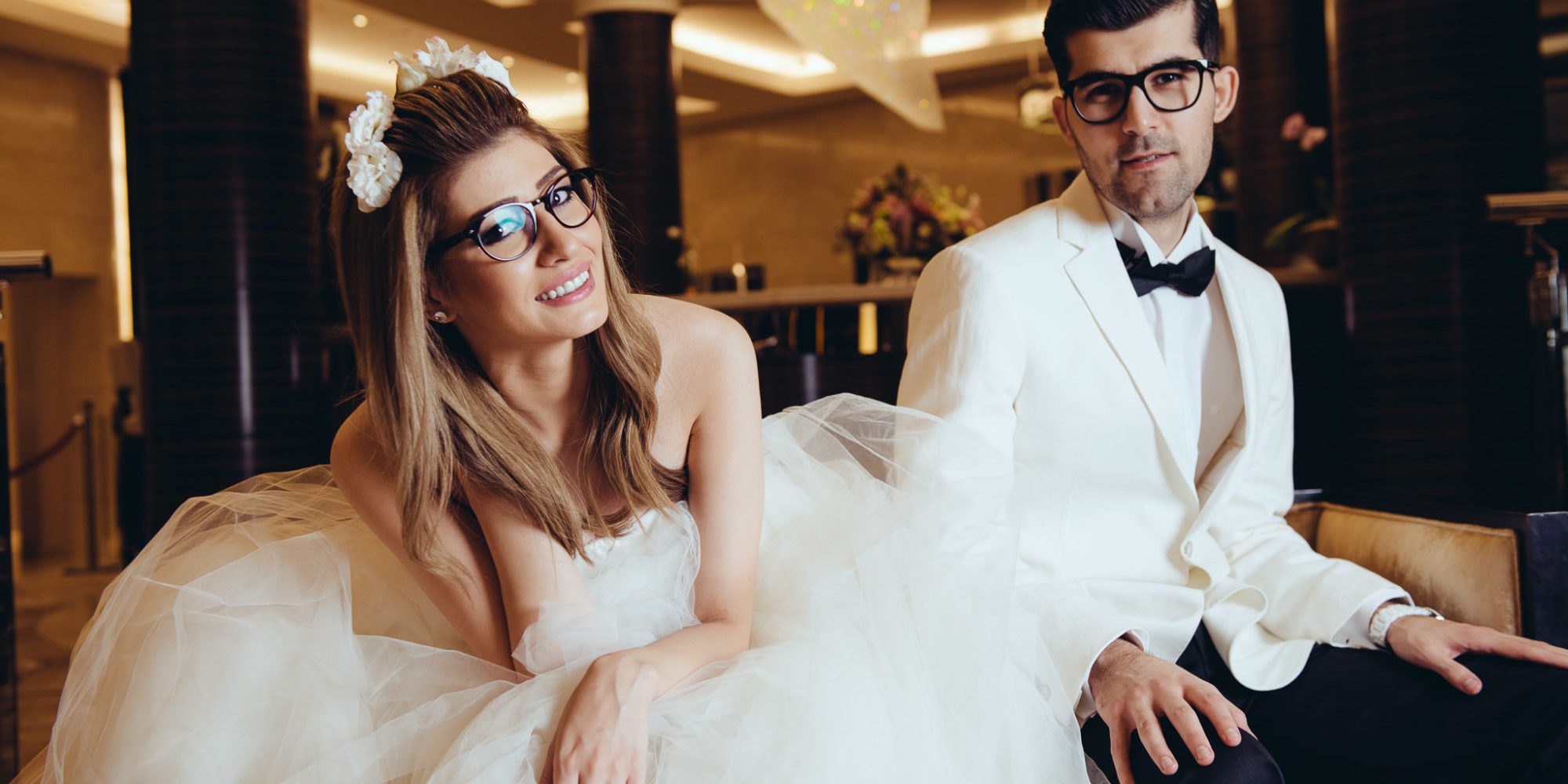
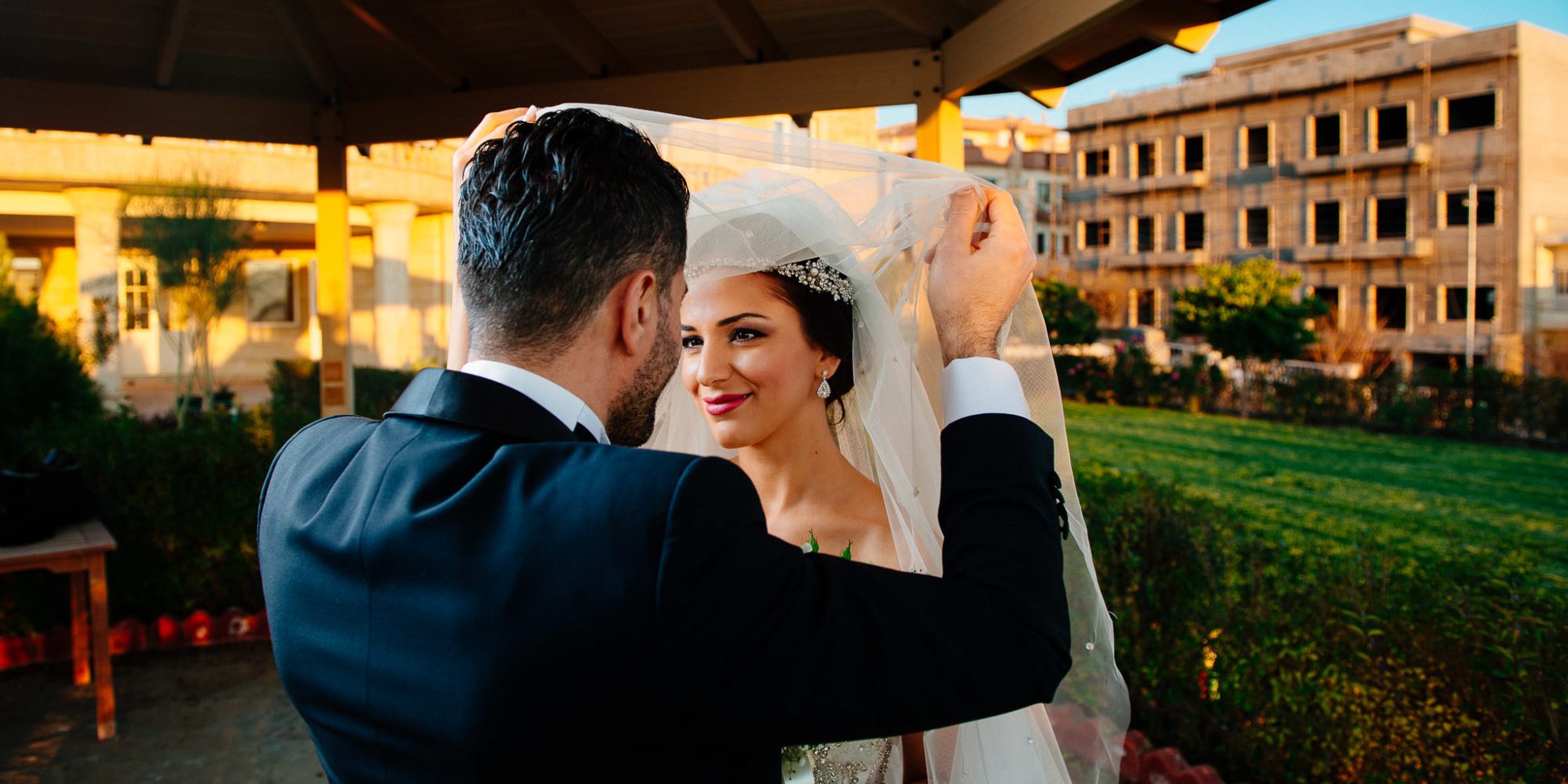
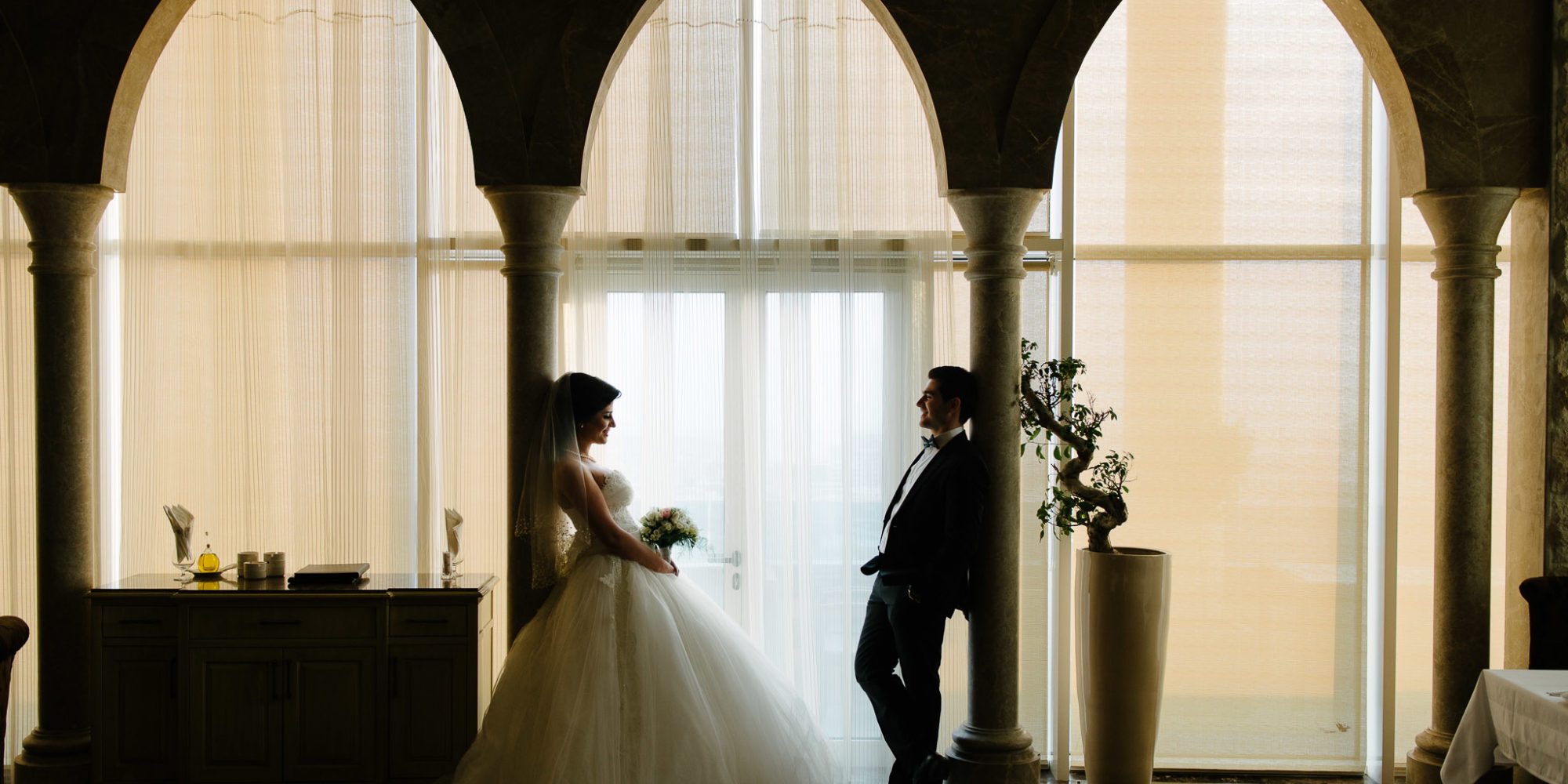
Three weeks ago, I had an unexpected assignment. I had the opportunity to make some portraits of good friends of mine getting married in Kurdistan, Iraq (where I live). They already had a photographer booked for their wedding itself (which is different than most of the weddings I’ve seen here), so my offer was to do some portraits at the main city park–Azady “freedom” Park. The arrangements were made at the last minute, so a few hours before the wedding, with all the related pressure, me and my improvised assistant scouted possible locations for the shoot.

Normally when you get married in Iraq, you book a videographer for your wedding. Photographers remain in their studios and wait for newly married couples to arrive. Couples are photographed against a seamless background that is replaced in Photoshop with a beautiful location in Europe mainly, with lots of foliage or a waterfall. In a dry country like Iraq, people long for a more “green” look. After hearing this from my local friends, I decided that I wanted to provide this type of “green” look, but using real locations in Iraq. We have parks, gardens, and the same beautiful golden hour as the rest of the planet! So why not create that type of look right here, in-camera, instead of fake photoshopped images?

Giving dignity to your subjects includes providing them with an experience as well as photographs that satisfy their unspoken desires: to feel important, pretty, and special, etc. Done well, a photo session on location will give your subjects all this and more. That was the whole intention behind these images.

Just a few days after I posted their images on my Facebook page, the images had already been seen more than 4000 times. Within a few days, another couple saw those images and booked a similar session. I don’t know where this is going to lead me as photographer, but I feel really happy to have read these comments from the brides:

“…even though so many things didn’t go the way we wanted at the wedding (just like any other wedding), but seeing Heber Vega’s and Mustafa Khayatâ’s pics made me not care about anything at all. Thank you so much. We’re lucky to have you guys as our close friends and photographers.”

“Thank you very much. God loves us because he sent you to us to take such nice pictures. Thank you again.”

To make the effort to deliver different (better) images than expected is always going to be appreciated by your subjects. I can still remember very clearly, their expressions of confidence and satisfaction when I showed these couples the first photographs on the back of my camera. They relaxed and trusted me for the rest of the shoot. But more importantly, the images they’d dreamed of came to life… without leaving their own country.

Archive

iPad Magazines

Okay, I just wanted to put this out there, especially to photographers that own an iPad. There are fantastic new resources to inspire you and keep you fed in photography. I’m not talking about the usual gear-centric photography magazines that we all read and enjoy. No, I’m talking about a new genre of magazines offering something deeper; inspiration and education for those of us interested in more than just a bunch of gear ads and setting recipes–what’s become the norm for most of the photography magazines today.

Three of these new magazines are:
Photographer’s i
Once
Light it

NOTE: This is not going to be a review, but a recommendation of what I’m reading these days and what I believe would help you as photographer. Both of these magazines are extremely addictive and great for keeping us inspired at this craft.

1. Photographer’s i Magazine. Is a collection of multimedia articles from seasoned, well-known photographers, such as Michael Freeman, Bob Krist, Jay Maisel, Steve Simon just to name a few.

As their website says: “It offers innovative content in the form of text video, and audio. You’ll see articles by top photographers come to life on video, hear them talk about the creative process in audio recordings, and participate in the learning process with interactive tutorials.”
Their website is: http://photographersi.co.uk/
And they have “free taster issues”, so you can test-drive an issue before you decide to subscribe or buy an issue at the newsstand.

Here’s a video:

2. Once Magazine is more about storytelling and photojournalism where the Photographer’s i is more about photographers, assignment, vision, etc. At the heart of Once Magazine are the stories, beautifully narrated by multimedia essays. This is what they say at their website: “We believe that photo stories can be better. They can be long and interactive. They can be narrative and profitable. Photo stories can change the way we see the world. Our vision is to publish these stories every month and every month to pay our contributors what they deserve.”

Website: http://oncemagazine.com/
Here’s a video they put together to explain in more detail:

Both magazines have stated that are working on publishing these magazines in other platform as well. (Photographer’s i mentioned Android at their website per se)

3. The last magazine I want to share is Light it. This one is excellent if you want to get immersed in studio lighting or off-camera flash. It is full of tutorials and has some insights from great photographers as to how they approach their shoots. It includes interviews and videos as well.

Website: http://kelbytraining.com/lightit
Here is their video:

These magazines are great resources for today’s photographers and make excellent use of the photographer’s newest tool, the iPad. Check out the links and see if there’s something there that you’d like to learn more about. And if you have another suggestion, let me know in the comments and I will update this post.

Thanks.

PS. I wrote, edited and uploaded this Blog post m my iPad. WordPress works perfect!

20120402-150732.jpg

Archive

Reminder: Be Ready

Last week was the biggest holiday for this part in Iraq. It’s called Nowruz (New Year) and I got invited for a picnic at a small village named Mawat.

As I knew I was going to have a great time with local friends, and that we were going to spend some time together in a beautiful location, I decided to bring most of my gear with me. I know it sounds crazy and probably out of place, but you never know when you will find a great location or subject to photograph.

In my case I did not want to interrupt time spent visiting friends or with my own family (my kids were having a blast) so I waited for the right moment, and then gently asked about it. As with most people in this part of the world, where photography is a embraced and appreciated, they all agreed to take a break and have some fun with the camera. I was able to have some fun with a speedlight in a softbox too.

The whole shoot was done in less than 20 minutes, but that was enough time to capture a great moment for our families, and especially for these friends who will be receiving a print to show my appreciation for their generosity and being great models.


Archive

Open to Collaborative Work

It took me longer than I wanted, but this post is finally here. With this post I’m closing a series, written mainly about creativity and inspiration, but also the process behind creating a specific project. Here are the previous posts in the series:

1. Connecting the ‘Why and the ‘How’. (Process/vision through to execution of a project)

2. Training our Creativity. (Exercises for our inspiration)

3. The Benefit of Challenge. (Improvement/growing of skills through adversity)

© Heber Vega 2012 | Photograph part of the story of the last Kurdish antique cleaner.

This week we have Open to Collaborative Work.
It’s not a secret that the life and work of photographers sometimes get pretty lonely, and therefore we get used to the idea of creating and working alone. This is not a bad thing, and I’d say it’s necessary for the journey. The problem begins when we think that’s the only way to do things in our craft. That attitude has a flaw; with time we don’t listen to other artists or photographers who may have experience and skills that would enrich our work. How are we making artistic decisions for our work? Are they based only on our own thoughts and opinion? Worse yet, are we the only ones critiquing our work?

Unless we are the next Beethoven in photography we’ll have a problem with this approach. We’ll end up with a crappy website design because we think it’s a cool template. We’ll end up losing some jobs or revenue because we don’t know how to deal with contracts, and try to be our own reps and lawyers. What about the accounting part? Yeah, those red numbers don’t look good, do they? And I haven’t even touched the artistic side of creating photographs. When was the last time someone reviewed your portfolio? Have you ever spoken with a photo editor or art director? Ok, let’s get more basic; have you ever talked to a painter and asked how to improve the ‘light’ in our frames? Have you talked to other experienced photographers about what they think about our ongoing projects? You can guess my point with all these questions: we are not alone in this world. Surprise!


Martin Luther King Jr. once said:
“All I’m saying is simply this, that all life is interrelated, that somehow we’re caught in an inescapable network of mutuality tied in a single garment of destiny. Whatever affects one directly affects all indirectly.”


It should not be a surprise to us that we can improve our work by sharing and working with other creatives. Most of our work can improve dramatically if we ask the right questions of the right people. If you still have doubts, check the leaders in our industry today: McNally, Jarvis and Arias, to name a few. You will discover a team working with most of them.


Joe McNally said this two post ago:
“The above is of [dancer] Alexis Fletcher, who is truly magnificent. She is particular, as
classical dancers tend to be, and she can float through the air as effortlessly as the rose petals we blew into the frame with her. She would look at every frame we shot together, and effectively, she coached me through it. She remarked on my timing, and her form, critically, but also wonderfully. Because of her devotion to craft, she, effectively, pushed me to be a better photographer on the set that day.”


When was the last time we allowed our subject to ‘coach’ us through a shoot? Well, McNally sometimes does. Are we afraid of losing our own vision by working with others? Afraid of losing our own identity as artist?


Jim Jordan, explained a good balance here:
“That’s what sets good photographers [in this field] apart. Instead of throwing in the stylist or makeup artist to do all the work, I show them what I want. The direction needs to come from the photographer so that it fits with their vision.”

Working in a team doesn’t mean you will lose your vision, instead it will be enriched by the skills of other artists.

If there’s one thing I want to build into my life, it’s having friends and colleagues who can contribute to my soul and hone my vision. As I give to others, I also try to ‘stay close’ to people that I can learn from. This is a list of people that you may have around you that can help to make your business better: designers, accountants, videographers, painters, singers, musicians, art directors, editors, photographers, journalists, storytellers, dancers, athletes, etc. You can learn far more from each of them than you ever learned in school. So give them a call, listen to them, and ask good questions. Study their creativity, inspiration, discipline, etc.

Let me give you 5 ideas that I’m starting to use that I think can improve our work. If you have a better idea (I know you do) please share it in the comments.

1. Work on a multimedia project. Create a project that is bigger than what you can put into place yourself, and therefore find people interested in working along side you. Benefit from each other’s skills. Consider partnering with a videographer, musician, singer, editor, sound engineer, designer, etc. You can direct, and of course provide the images.

2. Find a photo editor. If you are on a tight budget, find someone who has talent to describe what s/he sees in photographs, someone who understand photography and has ‘good taste’ (in your opinion). Ask that person to critique your latest projects, and see what you think about the process. If you trust her/his opinion then you have found your editor. The key here is once you have
placed your trust in that person, allow them influence your future work.

3. Find a designer. If you have someone who knows their way around design, ask for advice on your logo, personal website, portfolio, brand, etc. Again, once you have found someone who you trust, start building a long-term relationship, so that person can influence your future work. The same for a ‘retoucher’. If you suck at Photoshop (like me) then find someone you can work with.

4. Interview artists, and learn from their experience. Ask questions about inspiration, creativity, concept, execution, etc. Want to go a step further? Make a photo essay based on their work. That way you get to shoot and learn as well.

5. In your next photography project, don’t make it ‘personal’ work but a collaborative work. Shoot the project with someone else. Define the goal, vision and process but essentially go with another photographer and learn from his/her approach. Want to make it even better? Gather a group of photographers around the project and watch the synergy that happens.

Bonus: Invite friends and family to an ‘personal exhibit’ at your house. Print your work and let them talk about it; what they like, what they don’t like, why, etc. Invite critique; praise from a room full of people who love you won’t help you improve your craft.


Finally, the most important part of collaborative work: give. If people perceive you as someone only interested in ‘taking’, you will be avoided. Generosity always comes first. Let me know how these ideas work for you. Thanks!

Archive

The Benefit of Challenge

A month ago when I was scheduling posts for my blog, I didn’t think that some of these posts were necessarily related. But now after publishing the last two, I can see that there’s a back bone joining them all together.
Here are the posts I’m talking about:

Connecting the ‘Why’ and the ‘How’. (Process/vision through to execution of a project)

Training our Creativity. (Exercises for our inspiration)

© Heber Vega 2012 | Photograph part of the story of the last Kurdish antique cleaner.

Next I want to explore the ideas of challenge and collaborative work, and how they can benefit us as photographers. When I say ‘challenge’, I am talking about activities that take us out of our comfort zones, that introduce us to a different way of creating. For ‘collaborative work’, I’d include any type of activity where we exchange ideas and work along other artists in the process of creating a project. I’m going to explore these subjects a bit deeper and have some examples that we can apply in our work.

The important thing to remember here, is that challenges & collaborations are an important element in the growth of artists, and without them our talent and skills are not going to reach their full potential.


Challenge: “a task or situation that tests someone’s abilities.”


Last year, while working on the ONE-SHOT workshop, I remember talking to Erin Wilson about how much I like the adrenaline that comes with assignment work. I love the challenge, although it doesn’t feel that great in the moment. Every time I get hired for a specific task as photographer, I like the feeling of making things happen within certain limitations, like time, funds, circumstances, etc. The reason? They have made me a more creative photographer in the process, and have allowed me to explore new things that have become valuable for my work, but that I’d never have discovered otherwise. It’s a journey of personal discovery; there’s so much inside of us that we don’t tap into for various reasons, including fear. Taking on challenges gives us a reason to face the fear. Lastly, constrains are always good if you make them work for you, just keep that in mind.

Here is a list of challenges that can make you a better photographer and that I have experienced myself. These activities have really enriched my work.

1. Limit your gear. Use your cellphone camera or your iPhone for this project. Or use your DSLR, but with only one lens at one focal length. Explore how you see the world at that perspective; go out and shoot for a couple days to really explore the limitation. Whatever happens, don’t add more gear. Just keep shooting.
2. Take a pro-bono assignment. Find a non-profit that identifies with your values and offer to work for a couple of weeks, or for a specific project. Better yet, don’t bring your camera at the beginning, listen to them carefully, and then create a project that could help them promote their cause. To make this effective, give yourself time restrictions.
Let’s say you will do this assignment in x number of days but no longer than that. Treat it as if it’s a paid assignment with a deadline.
3. Step into multimedia. Create a project where you will build with more elements than just your photography. Start with audio. Take the time to record people, ambient sound, etc. Perhaps music? Where can you collaborate with some musician and create something unique for your work? What about putting together a whole website for that project, with interactive materials, then finding some good designers interested in something like that? What about video? Read some basic information about video and storytelling and then give it a shot. Nothing to lose, and so much to gain in the process.
4. Write a column. Find someone who might be interested in publishing a story of yours, and pitch a story. Complement your photography with a longer article that explains the context of your images. Try to work either with another writer, to proof-read your work or better yet, a real editor. You’ll see how they can cut to the chase quickly.
5. Explore another culture for a photography project. Save some money and then go to a distant location where people don’t speak your language, live in a different culture and where you don’t have any expertise at all. This is the closest thing to being reborn. I’m telling you, you become a baby again, and it’s ridiculous how you have to depend on other people to carry out a project in a place like that. But that challenge, and the desire to understand with eyes and ears open to new experiences, beside making you a better photographer, will make a better person.

In my next post I will talk more about collaborative work, and how that can benefit our photography. In the meantime if you want to add another suggestion for a challenge that has improved your craft, please feel free to add them on the comments. And if you take up one of the challenges listed here, please leave a link so we can follow your progress. Thanks.

Archive

Connecting the ‘Why’ and the ‘How’

Two weeks ago I submitted a story for a guest post, called “Haunted Memories”. It was published in this place. Today I want to talk about the process behind those images, not just the ‘how’ but also the ‘why’. What distinguishes an artist and photographer is the ‘why’, or his/her vision behind the work. That is what sets apart the great photographers that you and I admire. Throughout this entire assignment, I felt connected to the story in a way that I’ve rarely experienced before, and I think that one of the reasons is that I was able to successfully merge the ‘why’ and ‘how’ of this story.

© Heber Vega | Images from the 'Haunted Memories' story.

The ‘Why’:
First, I must admit that this story represents a real milestone in my personal life. It marks an ending, as well as the beginning of a new Heber. So one of my motivations was to create a visually strong story, because I experienced the story in such a strongly visually way. What I saw in my mind during that time has stayed with me in such a powerful way, that it forever changed my perspective on life. It pierced my soul, so I had to put emphasis on that in the images.

I had that clear concept fixed in my mind, and then began to write the story in a way that would strike a cord with my readers. I wanted the illustrating images to add to the experience, to evoke the feelings of repression and hopeless that I felt in childhood. Because I had this powerful experience while reading a book, most of the images I associate with the story I created in my mind. To illustrate my own story, I wanted to create images that would evoke the feeling of being in a dream.

So that’s basically the ‘Why’, the concept… the way I envisioned this work.

The ‘How’:
There are two main elements in the illustration of this story: the location I chose for the images, and the way I post-processed them. I decided to use my iPhone instead of my DSLR because of the post-processing technique I wanted to use. When I started this project, it was only available as an iOS app that I was using on my iPhone. Now it’s also available for Mac, but I’ll say more about that in a minute.

Element One: The Red Prison (location). Choosing this location is totally related to the ‘Why’ of this story. I have been in the Red Prison more than 10 times, and am still impacted by that place every time I go. I normally end up being really quiet, full of thoughts. Now that I think about it, I guess I’ve been connecting the Red Prison with those difficult thoughts from my past, and that’s why this story became so moving for me. Once I was able to connect contemporary elements with the emotional theme of the main story (the ‘why’), I was able to “get into the zone”. I know that sounds really zen, but once you make the connection between your vision and concept for a story, with the visual elements around you, you are ready to portray a story.

Element Two: Post-processing. Last December I began to use an app on my iPhone call Snapseed, and I fell in love with it because of several of its features. One of them is a filter called “grunge”. When I was thinking about illustrating ‘Haunted Memories’, I couldn’t stop thinking about this grunge look. It is edgy, dreamy, and has a lot of texture; ideal for what I wanted to convey in these images. The best part is that by the time I was ready to process the images, this app had become available for Mac. This meant that I could use it on my computer as well. Without that, I would have used the iPhone exclusively to capture and post-process the images.

Well, that’s the process behind “Haunted Memories”. The most important lessons?

1. Identify a concept or a vision before you even start to work on a project. Think about how you want this story to make your reader feel. Know in your own mind why you want to work on this story. Close your eyes, and become aware of the visual images that come to mind when you think about the story. Pre-visualize.

2. Look for the elements that can best represent your story. Think in terms of what kind of reaction you want to provoke in the readers; think of elements that will generate that kind of emotional response.

3. Finally, think about how you can use those elements in the best way possible, so they become the interpreter of your story. In this example, visually. But it can also be through another type of sense, like using sound in a multi-media piece.

I hope this post will be useful for your stories as well. Have a great week.

Archive

How off-camera light can improve your photography

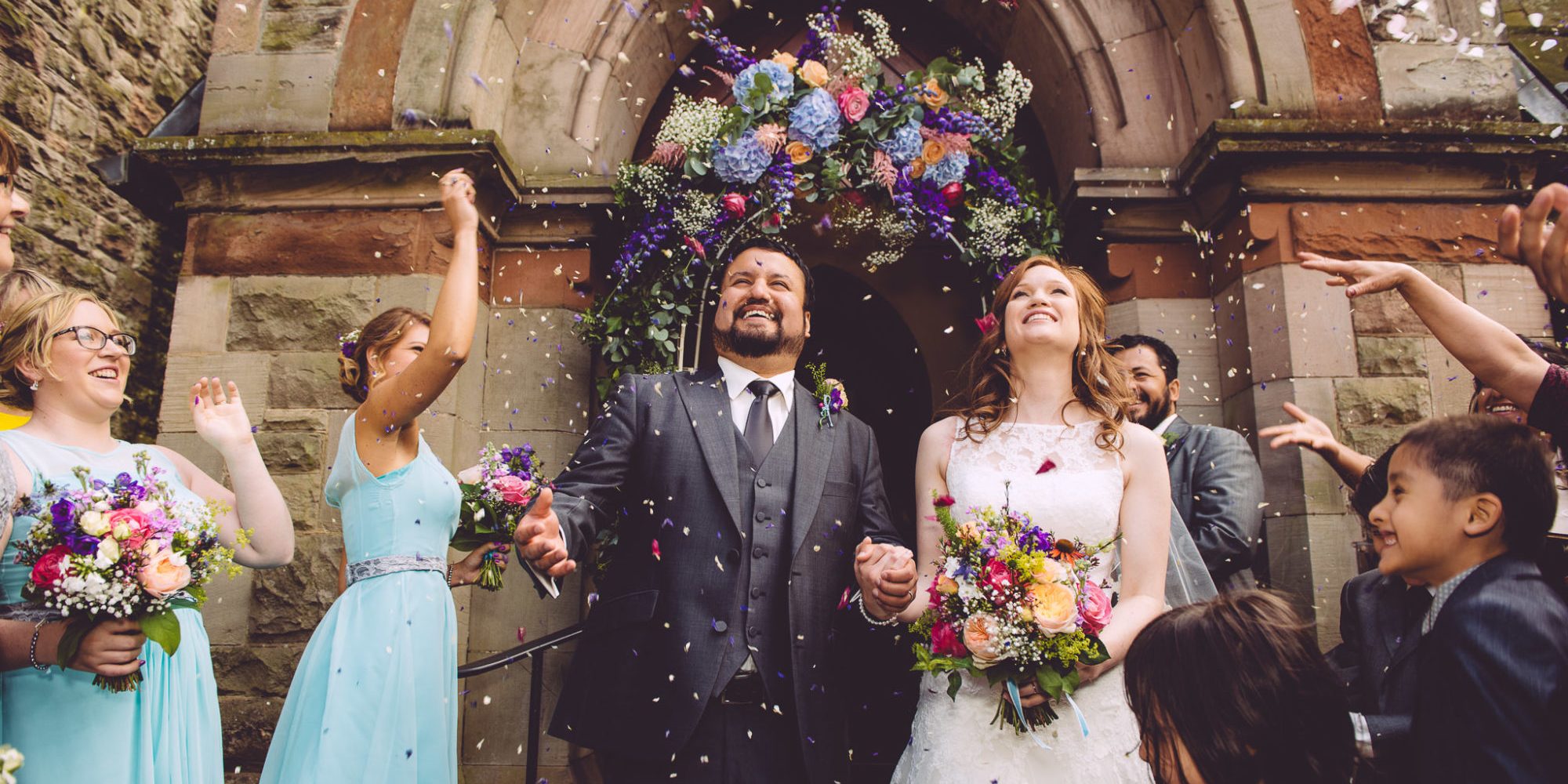
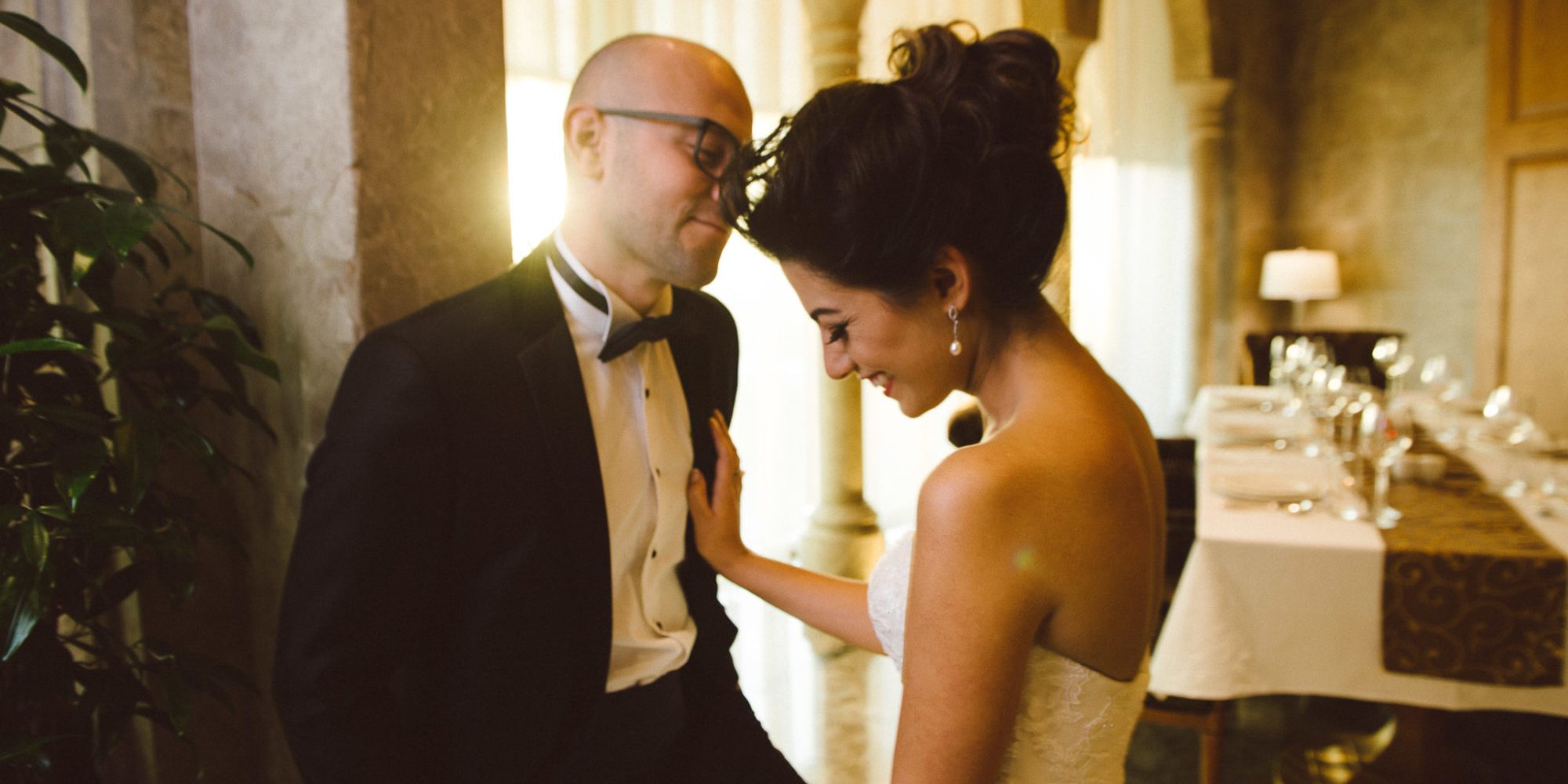
This weekend I assisted at a very special wedding party. It was the wedding of one of my good friends, teammate and former editor of this blog, DeeDee Baumgarner. It was so special because she married a local Kurdish friend, and for this region of Iraq that is not the norm (to say the least). This wedding was a good opportunity to try a couple of new things photographically, especially the off-camera flash images I’ve been working on lately.
After getting some of “those shots” that I was after, and especially after posting them on Facebook, I realized that using off-camera strobe has improved my photography all around, and I want to explain how I have noticed those changes.
Before I get into that, I have to tell you that it’s only been recently that I’ve been working more seriously on making these types of images, so I don’t have “years” of experience. I hope this will encourage you to start trying out new things. My lighting set-up is very basic, portable and affordable for most people. Nothing fancy here…
So, let see how using strobes is improving my photography.


1. Getting it done in camera.
First of all, I must say that I’m not one of those photographers who does a lot to his images in post processing. Not because of “moral” issues ;-) Not at all. But because I don’t think I have mastered that area yet. I don’t use Photoshop, although I’d like to. I do most of my post-processing in Lightroom 3 and some plugins.
So, with all that said, having to do less in PP is a welcome thing for me. Most of these images, shot using strobes, don’t need my imagination to foresee the end result in post. They look pretty much “finished” once you see them on the back of your camera. Let me explain it in a little different way. When shooting with available light, most of the time I end up correcting white balance, exposure, and levels to get the light to look the way I want. But when using flash, I’m getting it done in camera. At the same time, I’m somehow getting rid of that Raw (washed out) look that I’d usually get when making a photo without off-camera light.

2. Adding drama to photography.
Along with looking great right on your camera screen, the photographs made using strobes look a lot more dramatic than a photo made with available light. I mean, if you know how to use these tools and understand distance, light, angles, diffusers, etc., you can add that drama to your images with off-camera light.
Once you have learned the basics about how to use these tools, you will enter into a new level, where many things can be created by the light of these strobes, and how you manage that light. Where you used to seek out available light, now you are able to create it.
Most of the images coming out my camera with this technique are far more dramatic than they could have been if I would have used only available light. That “look” that I’m talking about was one of the reasons I wanted to start using strobes in the first place.

3. Making you more creative.
Because you can create light, you can become more creative. You develop confidence in having this power, where resources (more lights) and imagination are the only limits. Think for a while about those great photographers out there using lighting systems. Think about their portfolios, and where they have used off-camera lights. Aren’t those photographs amazing? Those photographers stopped waiting for the right conditions. Now they are creating the conditions for great shots.
Don’t get me wrong, natural light is still really important. What I’m saying is that having this tool in your hands and knowing how to use it it can only improve what you are capable of. With these lights, I’ve been able to create photographs that would have looked normal otherwise, “boring” in other words.
In sum, I no longer feel restricted.

4. Making your photography more attractive.
Okay, I’m not talking about my personal appearance here. There’s not fix for that ;-) What I’m talking about, is that people seem to prefer the shots where I have been using strobes. I know you may not want to let people rule your photography or product, but at the same time you have to recognize that those same people are the source of your earnings. So they are indeed important.
Every time I show my portfolio to friends, clients, and people in general, they seems to linger on the shots where off-camera light was used. They have noticed the “dramatic” look, they have talked about “dimension”, saying that they look more 3-dimensional. Women have said that their hair looks great. Others have told me that they look prettier with these lights. And others have said that even if you aren’t that “attractive”, you still look great. In the end, isn’t that what matters in a portrait?
Somehow the photos made with off-camera flash are calling the attention of more people than my earlier shots.

5. Making you a “special” photographer.
Because of the previous point, people are starting to talk about how great they would look if I made their portrait. Because of this last shoot, people are talking about my photography and especially my portraits, which is good for gaining new clients.
In the last couple weeks, I have had people asking me for this type of “environmental” portrait. They seem to love them because of the light, so they want to be photographed with this setup. I’ve also had friends approaching me, who are normally shy in front of a camera because they have had problems looking good in photographs. And business aside, I love that! As a humanitarian photographer I like to see people feeling alive and beautiful in front of my camera, I think this is another way of giving back that does not need to be overlooked by photographers.
Well, I hope that this “honeymoon” I’m having with off-camera light can encourage you too. As I said, you don’t need to invest that much and the improvement can be quite a lot. Think about it!